
When you're looking to protect your home at night, lighting matters as much as the camera. A dark driveway or shadowy porch is an intruder’s best friend. That’s why Ring’s Floodlight Cam and Spotlight Cam exist - to light up trouble before it starts. But which one actually works better for your home? It’s not about which is "better" overall. It’s about which fits your space, your setup, and your security goals.
Light Coverage: Wide Area vs Focused Beam
The biggest difference between these two cameras isn’t the video quality - both shoot 1080p (or 2K if you get the Pro version). It’s the light. The Floodlight Cam has two bright LEDs that put out about 3,600 lumens total. That’s enough to flood your entire front yard, driveway, or backyard with white, clear light. Think of it like turning on a stadium spotlight over your property. If you’ve ever been startled by a sudden burst of light at 2 a.m. because a raccoon ran across the lawn, you know how effective this is.
The Spotlight Cam, on the other hand, throws a focused beam of 300-375 lumens. It doesn’t light up your whole yard. It lights up your front door, garage entrance, or side gate. That’s intentional. It’s not meant to blind an intruder across the whole property - it’s meant to highlight exactly where they’re trying to get in. One user on Reddit said, "I installed it above my back door, and now I can see every face clearly on the video. No more blurry shadows."
If your biggest concern is someone trying to break in through a specific point - like a door or window - the Spotlight Cam gives you the detail you need. If you’re worried about someone walking across your entire yard or parking in your driveway, the Floodlight Cam makes sure there’s nowhere to hide.
Installation: DIY-Friendly or Electrician Needed?
This is where many people get stuck. The Floodlight Cam requires hardwiring into an outdoor electrical junction box. That means you need access to existing wiring, usually under an eave or near a garage. If you’re not comfortable working with electricity, you’ll need to hire an electrician. In the UK, that could cost between £120 and £250 depending on your location and complexity. It’s not a weekend project - it takes about an hour to install properly, even for a pro.
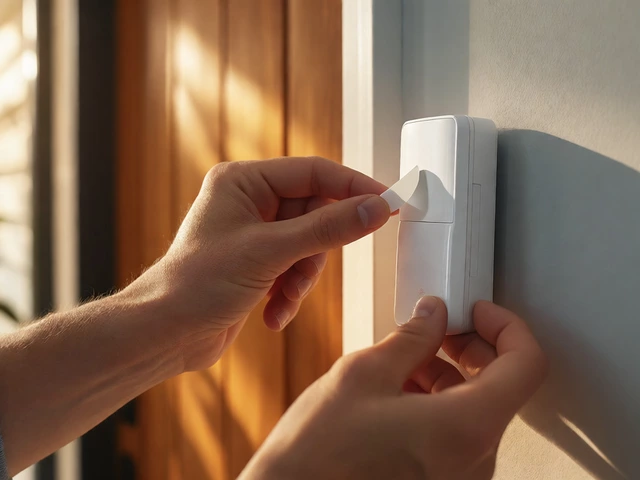
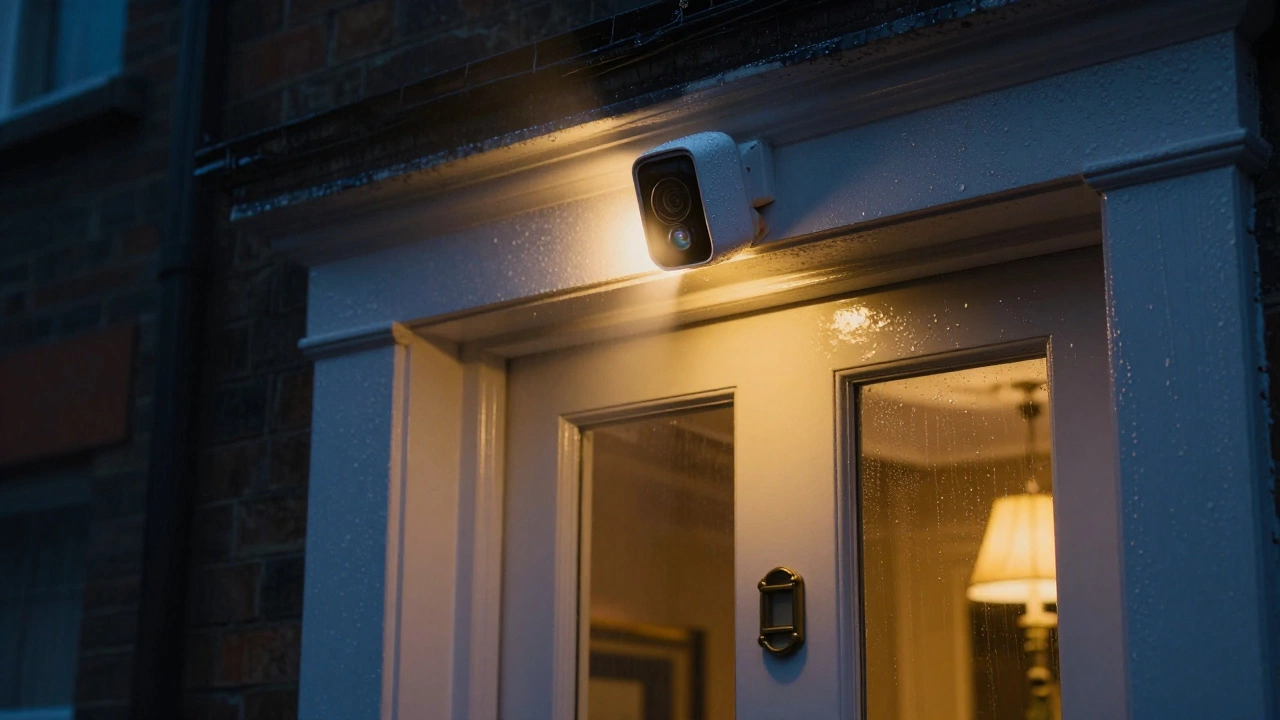
The Spotlight Cam? You can plug it into a standard outdoor outlet. No wiring. No tools. Just mount it, screw it in, and sync it with your phone. The battery version lasts up to six months on a single charge, and you can even add a solar panel to keep it running year-round. If you’re renting, live in an apartment, or just don’t want to mess with your home’s electrical system, this is the clear winner.
One homeowner in Bristol told me: "I put the Spotlight Cam above my garage door. My landlord wouldn’t let me drill into the wall for the Floodlight Cam. This worked perfectly - no damage, no fuss. And the motion alerts actually caught someone trying to steal my bike last winter."
Power and Weather: Which One Handles the UK Winter?
Winter in the UK isn’t just cold - it’s wet, windy, and unpredictable. The Floodlight Cam runs from -22°F to 120°F (-30°C to 49°C). The Spotlight Cam? It handles down to -5°F (-20°C). That’s a big gap when you’re dealing with freezing rain and icy mornings.
If you live in northern England, Scotland, or anywhere that regularly dips below freezing, the Floodlight Cam’s wider temperature range gives it an edge. Battery-powered Spotlight Cams can struggle in the cold - their battery life drops fast. One user reported his battery-powered Spotlight Cam died after three weeks of frosty nights. He switched to the wired version and never had another issue.
But here’s the twist: if you’re in a milder area like Bristol or the South West, the Spotlight Cam’s battery option is more than enough. You’ll rarely see temps drop below freezing for long, and the solar panel option keeps it going even in cloudy weather.
Cost: Upfront Price vs Hidden Fees
The Floodlight Cam Pro retails at £219. The Spotlight Cam Pro starts at £189 for the battery version. That’s a £30 difference - not huge. But here’s what most people forget: installation.
If you need an electrician for the Floodlight Cam, you’re adding £120-£250 to the cost. That brings the total to £340-£470. The Spotlight Cam? You’re still at £189, even if you buy the solar panel for another £45. That’s a massive savings.
And then there’s the Ring Protect subscription. Both cameras need it to save video clips beyond live viewing. It’s £3.99/month or £39.99/year. No way around it. If you skip it, you get motion alerts and live view - but no recording. So the cost difference isn’t just about the hardware. It’s about whether you’re willing to pay for the full security experience.
Smart Features: Motion Zones, Alerts, and Alexa
Both cameras use the same Ring app, so they’re equally smart. You can set custom motion zones to ignore your neighbour’s cat or your swaying tree branches. Both have 110 dB sirens to scare off intruders. Both work with Alexa - you can say, "Alexa, show me the front door," and the camera feed pops up on your Echo Show.
But here’s a hidden difference: battery-powered Spotlight Cams don’t let you set custom motion zones. Only the wired versions do. That’s a big deal if you live near a busy sidewalk or a tree that drops leaves every autumn. False alerts can drive you crazy. The Floodlight Cam, being hardwired, gives you full control every time.
Also, the Floodlight Cam’s wider field of view (140° horizontal) means you’re more likely to catch someone walking toward your house from the side. The Spotlight Cam’s narrower focus is great for the door, but if someone circles around from the garden, you might miss them.
Real-World Use Cases: Who Should Buy Which?
Let’s make this simple.
Choose the Floodlight Cam if:
- You have a large yard, driveway, or open backyard
- You’re worried about intruders approaching from multiple angles
- You’re willing to pay for professional installation
- You live in a cold climate with frequent freezing temps
- You want maximum brightness to deter burglars in real time
Choose the Spotlight Cam if:
- You want to monitor a specific entry point - front door, garage, side gate
- You’re renting or can’t modify your home’s wiring
- You prefer plug-and-play installation
- You live in a milder area with mild winters
- You want something discreet that doesn’t blind your pets or neighbours
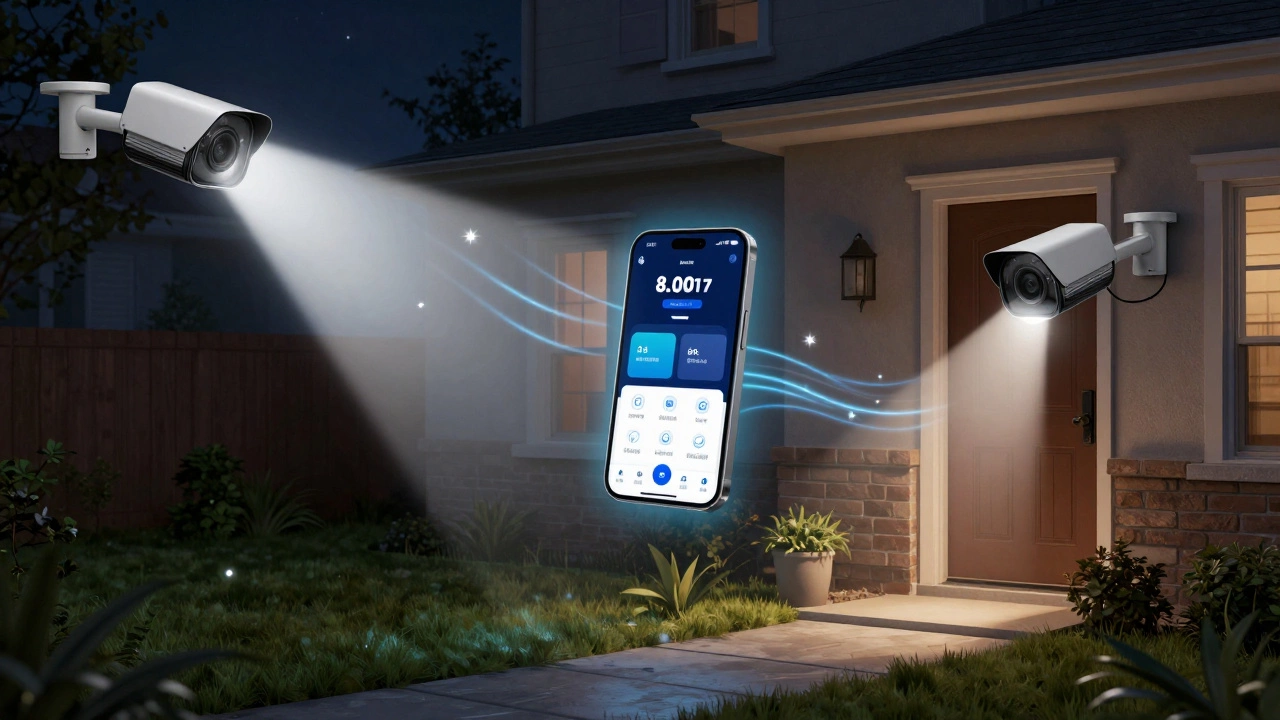
And here’s the pro tip: you don’t have to pick just one. Many users install the Floodlight Cam at the back of the house and the Spotlight Cam at the front. One user on Amazon wrote: "I have both. The floodlight catches people walking across the yard. The spotlight catches the face of whoever’s at the door. I feel like I’ve got eyes everywhere."
What Experts and Users Say
Security experts at SafeHome.org put it plainly: "The Floodlight Cam is great for stopping burglars; the Spotlight Cam, on the other hand, provides a more welcoming atmosphere." That’s not a judgment - it’s a distinction. One is a deterrent. The other is a spotlight.
On Reddit, users with both systems say they work better together. One said: "I used to think I needed just one. Then I installed both. My security footage went from "maybe someone was there" to "here’s their face, their jacket, and the license plate of their car.""
Consumer Reports’ 2023 survey found that 78% of people with properties larger than 0.25 acres preferred floodlight cameras. For urban homes under 0.1 acres, 65% preferred spotlights. That’s not coincidence. It’s about scale.
Final Verdict: It’s Not About Better - It’s About Right
There’s no single best camera. The Ring Floodlight Cam and Spotlight Cam serve different purposes. One is a sledgehammer. The other is a precision tool.
If you need to light up a wide area and don’t mind the hassle of wiring, go with the Floodlight Cam. If you want simple, smart, and focused coverage without touching your home’s electrical system, the Spotlight Cam is the way to go.
And if you’re serious about security? Consider both. Use the Floodlight Cam to cover the open spaces, and the Spotlight Cam to watch the doors. That’s how the pros do it. And if you’re still unsure? Start with the Spotlight Cam. You can always add the Floodlight Cam later. But once you install the Floodlight Cam, you’re locked in - both financially and physically.
Can I use the Ring Spotlight Cam without a subscription?
Yes, you can use the Spotlight Cam without a Ring Protect subscription. You’ll still get live video, motion alerts, and two-way audio. But you won’t be able to save or review past footage. If you just want to see who’s at the door in real time, you don’t need a subscription. But if you want to check what happened after a package went missing, you’ll need the £3.99/month plan.
Does the Floodlight Cam work in the rain?
Yes. Both the Floodlight Cam and Spotlight Cam are rated for outdoor use and can handle heavy rain, snow, and wind. They’re built to withstand UK weather. The Floodlight Cam has a slightly wider temperature range, so it performs better in freezing conditions. But both will keep working through a typical British winter.
Can I use the Spotlight Cam with solar power?
Yes. Ring sells a compatible solar panel for the Spotlight Cam battery version. It’s not a full replacement for a wired system, but in sunny areas or during spring and summer, it can keep the battery charged for months. In winter, you may still need to recharge it manually. It’s a great option if you want to avoid wiring but still want long-term reliability.
Do these cameras work with Google Home?
Yes, but with limits. You can view live feeds on Google Nest Hub devices. But you can’t use voice commands like "Show me the front door" on Google Assistant like you can with Alexa. Ring’s integration with Google is functional but not as seamless. If you use Google Home as your main smart home hub, you’ll want to test it before buying.
Will the Floodlight Cam scare my pets?
It might - at first. The sudden burst of 3,600 lumens can startle dogs and cats, especially if they’re used to dim lighting. Many users report their pets get used to it within a few days. To help with the transition, you can adjust the sensitivity settings so the light only turns on for larger motion (like a person, not a cat). You can also set a delay so the light doesn’t activate immediately when motion is detected.
Which one has better video quality?
Both the Floodlight Cam and Spotlight Cam now offer 2K video in their Pro versions. But in practice, the difference between 1080p and 2K is minimal unless you’re zooming in on a face from far away. Most users can’t tell the difference on their phone screens. The real advantage of 2K is clearer facial recognition if someone is standing close to the camera. For most homes, 1080p is perfectly fine.