Can You See a Shadow in Absolute Darkness? The Science Behind Night Vision
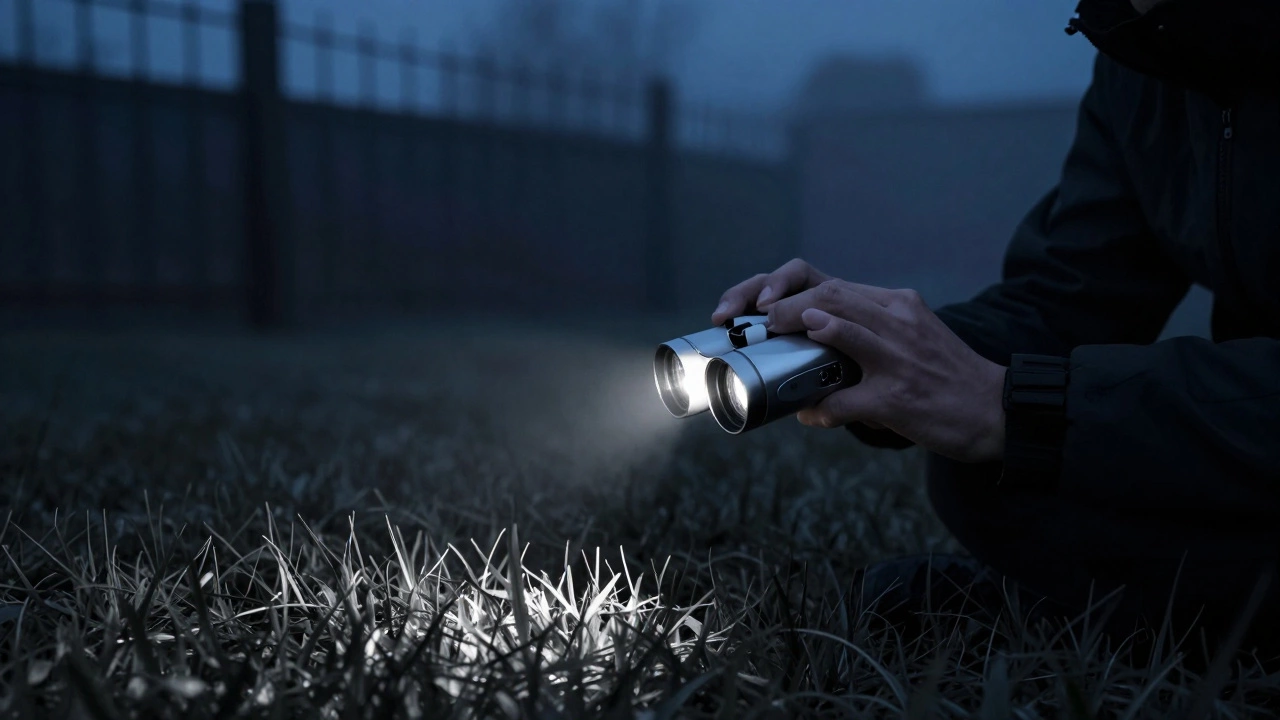
Explore the science of seeing shadows in darkness. Learn how human biology limits vision in the dark and how night vision cameras use infrared light to reveal hidden threats.
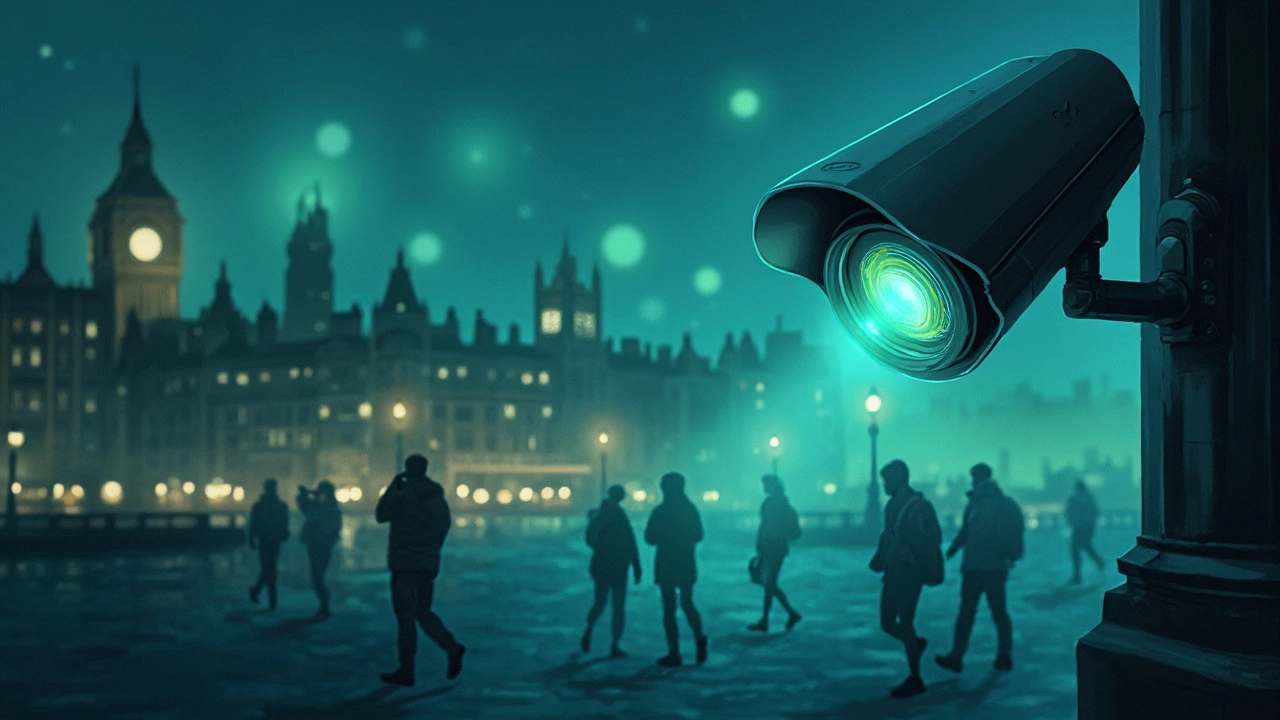
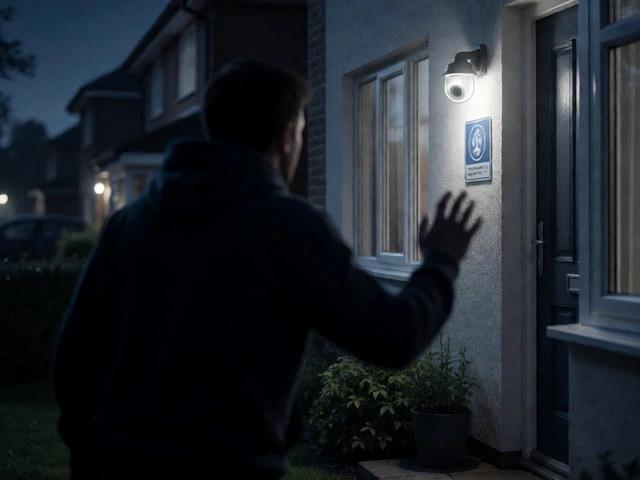
Ever walked past a dark hallway and wished you could see what’s really going on? Night vision cameras give you that power. They turn invisible movement into clear video, so you can keep an eye on your property even when the lights are off. For a home in Birmingham or a small shop, they’re a cheap way to add serious security without wiring extra lights.
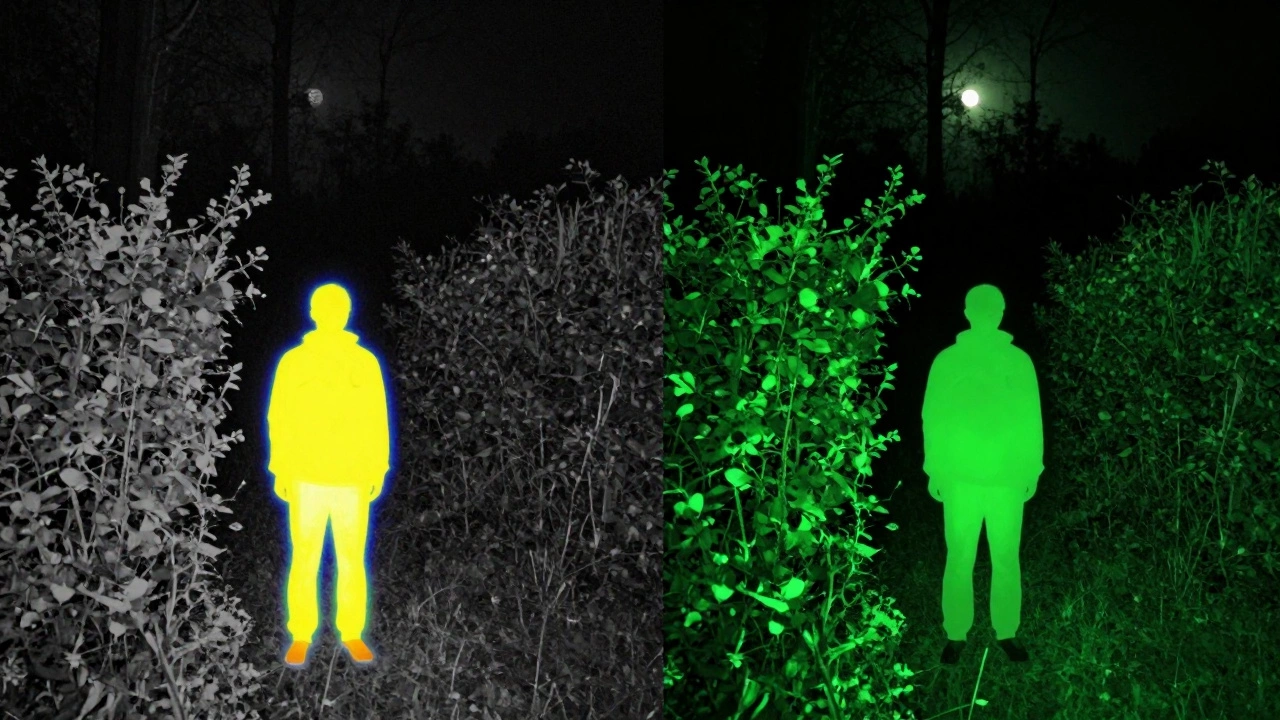
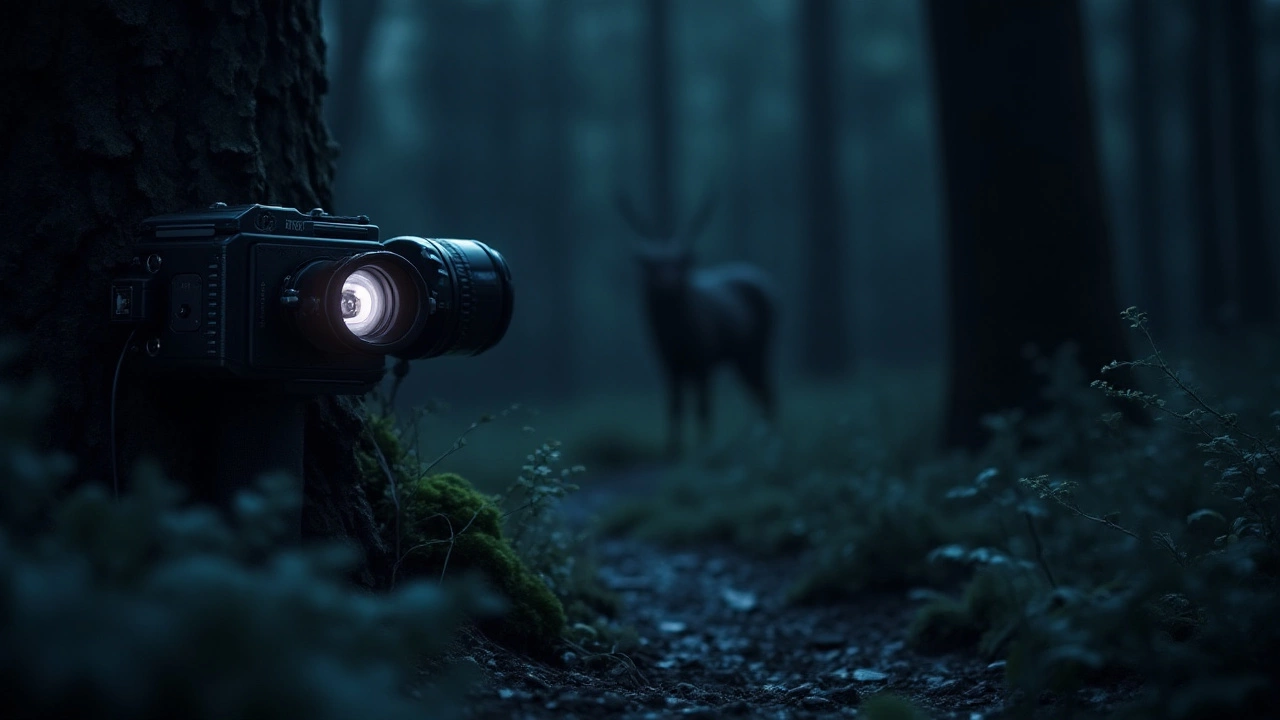
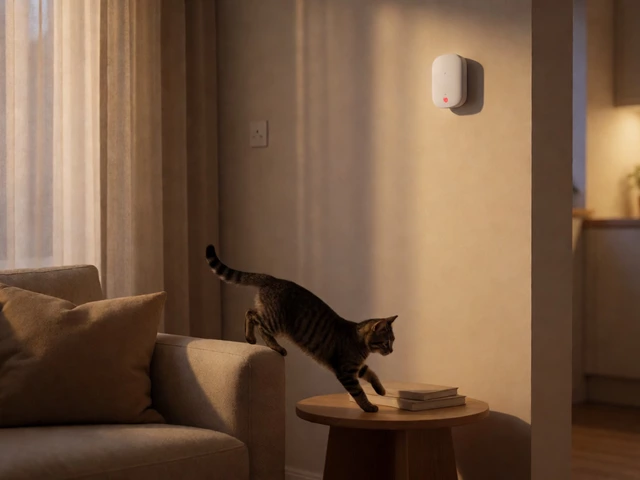
Most night vision cameras use infrared (IR) LEDs. These LEDs shine light that humans can’t see, but the camera sensor picks up. The result is a monochrome picture that shows shapes and motion in total darkness. Some newer models add a tiny amount of color by using a low‑light sensor instead of pure IR, but the core idea stays the same – invisible light lets the camera see.
IR range: Look for a spec that says how many meters the LEDs cover. For a front door, 5‑10 m is enough; for a garden you’ll want 20 m or more.
Resolution: Don’t settle for 480p just because it’s cheap. 1080p gives you enough detail to read a license plate if you ever need it.
Smart alerts: Many cameras now send a push notification when they detect motion at night. Choose one that lets you set zones so you only get alerts for the driveway, not the street.
Power source: Wired cameras are reliable but need a power outlet. Battery‑powered versions are easy to install but need regular charging or replacement.
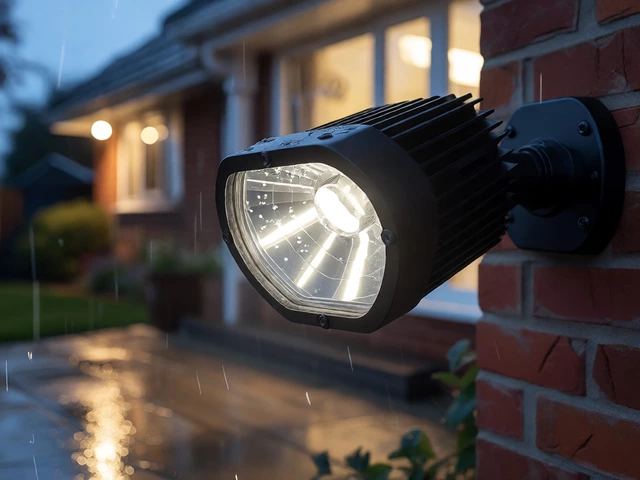
Weather rating: If the camera sits outside, make sure it’s rated at least IP65. That means it can handle rain and dust without getting mushy.
When you match these features to your space, you’ll avoid buying a camera that’s either overkill or under‑powered. For example, a small indoor pantry only needs a short IR range, while a warehouse benefits from long‑range IR and a robust weather seal.
Installation is usually a breeze. If you go wired, run the cable through a conduit and plug into a power adapter. Battery models often come with a magnetic mount – just snap it on the surface and you’re set. Most cameras pair with a free app on your phone, so you can watch live video anywhere, even on a slow 3G connection.
One tip many people miss: clean the IR LEDs occasionally. Dust or spider webs can block the invisible light and make the night view look grainy. A quick wipe with a dry cloth keeps the picture sharp.
Finally, think about privacy. Night vision cameras record everything in their field of view, so aim them at your property, not neighbor yards. Setting clear boundaries avoids complaints and keeps you on the right side of UK privacy law.
With the right night vision camera, you’ll get peace of mind after dark without spending a fortune. Choose a model that fits your space, check the specs above, and you’ll be watching confidently from dusk till dawn.
Explore the science of seeing shadows in darkness. Learn how human biology limits vision in the dark and how night vision cameras use infrared light to reveal hidden threats.
Discover the best night vision technology in 2026. We compare digital, thermal, and multispectral optics to help you choose the right device for hunting, security, or exploration.
Thermal imaging detects heat and works in total darkness, while night vision amplifies light for clearer identification. Learn which is better for home security, hunting, or surveillance.
Explore why rubber balls cast clear shadows while glass balls appear shadowless, covering light transmission, refraction, contrast ratios, and night‑vision camera implications.
Curious if night vision is legal? Here’s what you need to know before buying or using night vision cameras. Understand the laws, the gray areas, and where things get tricky. Learn what’s allowed in homes, businesses, and while driving. Get practical tips so you don’t get caught on the wrong side of the law. Get real-world guidance for responsible night vision use.
Improving camera night vision is not just about owning advanced gear; simple tweaks and understanding your camera's settings can significantly enhance performance in low-light conditions. Consider adjusting ISO, using external lighting, or investing in a quality lens. Keep your camera lens clean and explore apps that can optimize night vision capabilities. These strategies can make a difference for both casual users and photography enthusiasts.
In this article, we explore whether night vision cameras have the capability to see through clothing. We dive into the technology behind night vision, debunk myths, and discuss privacy implications. If you've ever been curious about the real capabilities of these cameras, you'll find clear answers here. We also provide tips on how to ensure your privacy in a world where technology is ever-advancing.
Exploring cameras that enable vision in total darkness, this article sheds light on night vision technologies, offering insights into infrared and thermal imaging. It provides guidance on choosing suitable cameras for nighttime adventures or security purposes. Useful tips help readers understand how these devices function and their practical benefits. Equip yourself with knowledge to capture or monitor in the darkest environments!
Night vision cameras have become increasingly popular for security and wildlife monitoring. These cameras use infrared technology or low-light sensors to capture images in the dark. From home security systems to wildlife observation, understanding the types and features of night vision cameras can help you choose the best option for your needs. Learn about the different kinds of night vision technologies and how they can provide visibility in complete darkness.
Night vision technology has transformed the way we perceive and interact with our surroundings in darkness. While common belief suggests that night vision cameras can operate effectively in any dark setting, the reality is more nuanced. This article explores whether these devices truly work in pitch-black conditions, explaining the mechanics of night vision technology and highlighting intriguing facts. We will also discuss the importance of infrared technology and offer insights into optimizing camera performance in low-light environments.
Night vision cameras have become increasingly popular for home security and surveillance, providing a crucial ability to capture clear images in low-light or dark conditions. This article explores different types of cameras equipped with night vision technology, including infrared and thermal imaging options. With advancements in technology, these cameras now offer varied features such as motion detection and smartphone integration. Understanding these cameras' capabilities and applications can help you choose the right device for your needs.
Selecting the best night vision camera involves understanding key features that influence performance in low-light conditions. This article explores the leading night vision cameras of 2024, highlighting features such as infrared capabilities, resolution, and ease of use. Learn how different models cater to various needs, from professional photography to home security. Get tips on optimizing camera settings to achieve clear nighttime shots. Discover what makes these cameras stand out in the market today.