Prohibited Security Camera Placement Areas - What You Must Avoid
Learn the exact locations where installing security cameras can lead to legal trouble, privacy breaches, and technical failures, plus a checklist to stay compliant.
When you install a CCTV system, a closed-circuit television system used for monitoring property, often for security purposes. Also known as security cameras, it is a powerful tool—but only if you follow the law. In the UK, putting up cameras isn’t just about picking a spot and plugging it in. There are rules. Break them, and you could face complaints, fines, or even legal action—even if you’re just protecting your own home.
One of the biggest mistakes people make is pointing cameras at public spaces. If your camera catches your neighbour’s front door, their garden, or the sidewalk, you’re likely breaking the Data Protection Act, UK law that governs how personal data, including video footage of people, is collected and stored. Even if you don’t share the footage, recording someone without their knowledge counts as processing their personal data. The same applies if your camera captures your neighbour’s children playing or cars parked on the street. You’re not a private detective—you’re a homeowner, and the law treats your camera like a data collector.
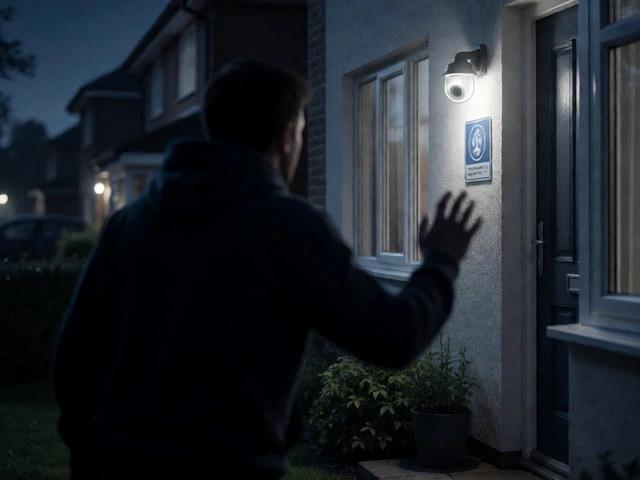
Then there’s the issue of CCTV signage, clear signs that notify people they are being recorded. The Information Commissioner’s Office (ICO) says you must display a sign if your camera records outside your property boundary. It doesn’t need to be fancy—just readable. Something like: "CCTV in operation. For security purposes. Contact: [your name]." Skip this, and you’re already out of compliance. And don’t think hiding the camera makes you safer. It makes you legally riskier.
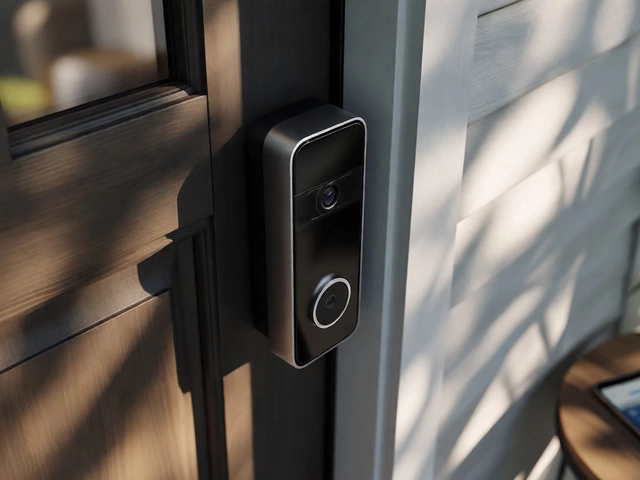
Wiring matters too. If you’re hardwiring a camera, you need to follow BS 7671, the UK’s official wiring regulations for electrical installations. This isn’t optional. Poorly installed cables can cause fires, shocks, or damage to your home’s electrical system. Even if you’re doing it yourself, you’re still responsible. And if you’re replacing a doorbell, you’ll need to check if your transformer can handle the load—something a lot of DIY guides leave out.
Storage is another hidden rule. If your camera records to the cloud, you’re storing personal data on a third-party server. That means you need to know who owns it, where it’s stored, and how it’s protected. If it’s local storage—like an SD card or NVR—you still need to secure it. Leaving a recorder in an unlocked shed? That’s not security. That’s an invitation.
And what about neighbours? If your camera picks up their property, even accidentally, they have the right to ask you to adjust it. Ignore them, and they can complain to the ICO. The ICO doesn’t care if you think you’re "just protecting your house." They care if you’re recording someone else’s private space. A few degrees of tilt can fix the problem. No need for drama.
There’s no national permit for CCTV in the UK—unless you’re running a business. For homeowners, the rules are simple: don’t spy on others, label your system, secure your footage, and install it properly. That’s it. You don’t need a license. You don’t need to register. But you do need to be responsible.
Below, you’ll find real guides on how to install cameras legally, what to avoid, how to pick the right system for your home, and how to fix common mistakes. Whether you’re worried about Wi-Fi drains, battery life, or whether your camera even needs wiring—we’ve got the answers. No fluff. Just what works.
Learn the exact locations where installing security cameras can lead to legal trouble, privacy breaches, and technical failures, plus a checklist to stay compliant.