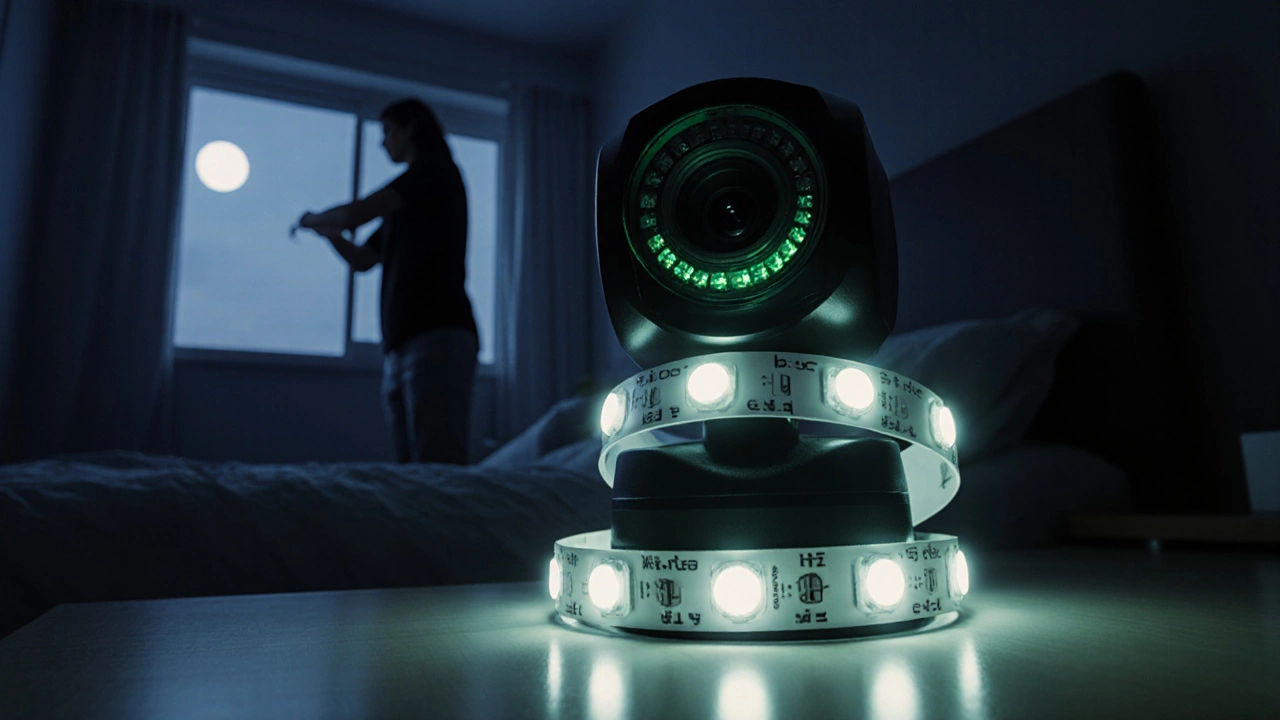
Low-Light Camera Guide and Resources
When working with low-light camera, a security camera built to capture clear footage in dim or no‑light environments. Also known as night vision camera, it helps protect homes and businesses when daylight fades.
Key to its performance is infrared illumination, a light source invisible to the human eye that lets the camera see in total darkness. Pair that with a high‑sensitivity CMOS sensor, the image‑capture chip that converts light into digital signals, and you have a system that can deliver usable video at just a few lux. In short, a low-light camera encompasses infrared illumination and requires a sensitive sensor to work reliably.
Why Low-Light Performance Matters
Most burglaries happen after dusk, so a camera that goes blurry when the streetlights dim leaves a blind spot. low-light camera technology bridges that gap, giving you usable recordings even on the darkest nights. Night vision isn’t just a gimmick; it influences how quickly you can spot movement, how well facial features are retained, and whether the footage meets police standards for evidence.
Beyond security, low-light cameras are useful for wildlife monitoring, parking lot oversight, and any scenario where constant lighting isn’t practical. They often integrate with motion sensors, so the infrared LEDs fire only when motion is detected, saving power and extending battery life for wireless setups.
In the collection below you’ll find practical guides on troubleshooting remote camera feeds, choosing the right Wi‑Fi or wired setup, and comparing the pros and cons of wireless versus wired low-light solutions. Whether you’re a homeowner looking for a quick install or a business needing a robust surveillance network, the articles ahead cover the essential tech, common pitfalls, and real‑world tips to get the most out of your low-light camera system.