Best Offline Security Cameras: No‑Internet Surveillance Options
Discover offline security cameras that work without internet, learn how they store video locally, and get setup tips for a privacy‑first home surveillance system.
When working with standalone surveillance, a self‑contained monitoring setup that operates without a central hub or subscription service. Also known as independent monitoring, it lets homeowners or businesses keep an eye on critical areas without relying on third‑party networks. Standalone surveillance saves on recurring fees and gives you full control over where footage is stored.
One core component is night vision, technology that captures clear images in low‑light or total darkness using infrared or thermal sensors. Night vision expands the coverage window, letting you guard properties around the clock. It pairs well with motion‑triggered recording, so you only store footage when something moves, saving storage space.
Another popular choice is Wi‑Fi security cameras, wireless cameras that connect to your home router and stream video to a mobile app or local storage. While convenient, they bring concerns about network reliability and privacy. Selecting a camera with strong encryption and a local backup option helps mitigate those risks.
Smart doorbells have become a staple of modern standalone surveillance kits. smart doorbells, video‑enabled door units that record visitors and send alerts to your phone provide a visible deterrent and a way to see who’s at the front door before opening it. Some models work entirely on battery power, while others need a hard‑wired connection—choose the option that matches your home’s wiring layout.
Motion detection is the glue that holds these devices together. Dual‑technology sensors that combine PIR (passive infrared) with microwave detection reduce false alarms and improve accuracy. When a sensor spots movement, it can trigger night‑vision cameras, send a push notification, and even activate a local alarm, creating a layered defense.
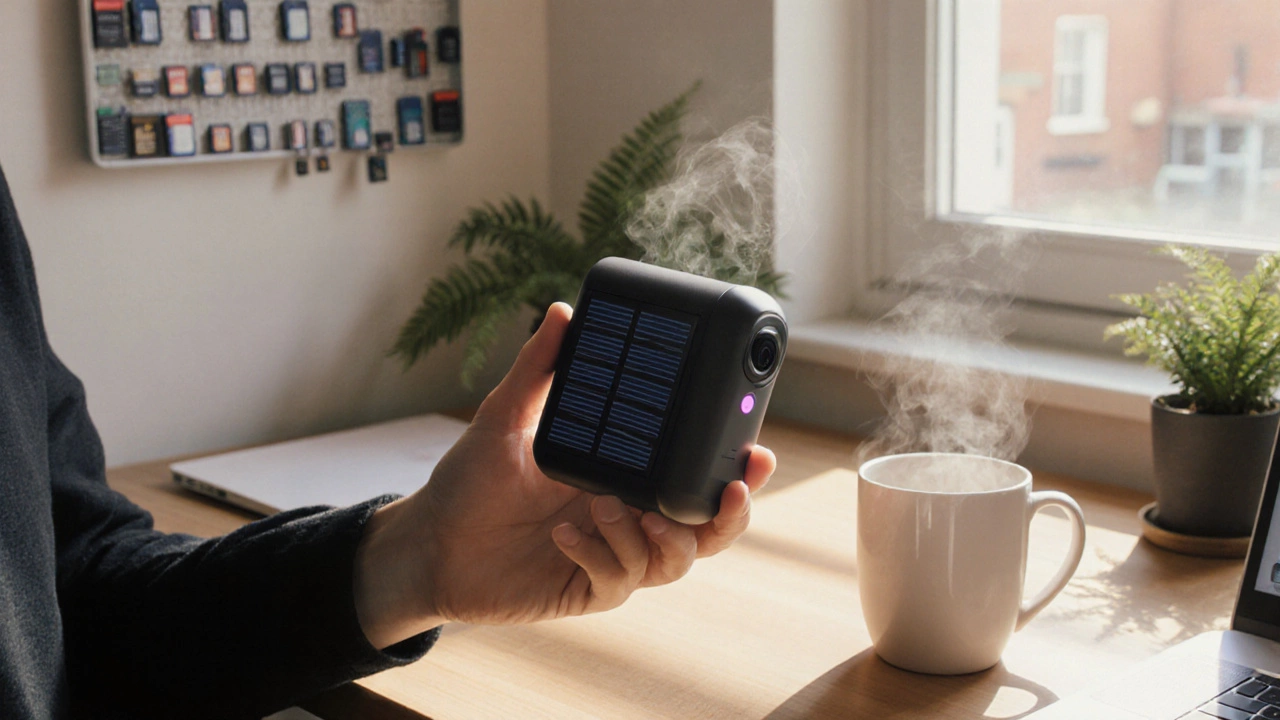
Power considerations often get overlooked. Battery‑run cameras and doorbells are easy to install, but you’ll need a schedule for swapping or recharging cells. PoE (Power over Ethernet) cameras draw power through the network cable, simplifying wiring and ensuring a constant power source—ideal for longer‑term installations.
Storage choices also shape the overall system. On‑device SD cards keep footage offline, protecting it from hacks, while NAS (network‑attached storage) offers larger capacity and easier retrieval across multiple cameras. Some users combine both, keeping recent clips on the camera and archiving older files on the NAS.
Installation location matters more than you might think. Position cameras at a height that captures faces, avoid back‑lighting that creates silhouettes, and test the field of view during both day and night. For doorbells, mount them slightly off‑center to reduce glare from streetlights.
Security isn’t just about hardware. Regular firmware updates patch vulnerabilities, and changing default passwords prevents easy break‑ins. A quick monthly check of each device’s settings can save you a lot of headaches later.
Integration with a home automation hub, even in a standalone context, can boost convenience. Simple IFTTT (If This Then That) recipes let you turn on porch lights when motion is detected or send an email with a video clip after a doorbell rings.
Cost‑effectiveness is a big draw of standalone surveillance. By avoiding monthly cloud fees, you can allocate budget to higher‑quality lenses, better night‑vision sensors, or a robust motion‑sensor array, giving you a stronger overall security posture.
Finally, remember that no system is 100 % foolproof. Layered protection—combining cameras, motion sensors, lighting, and physical barriers—creates the toughest challenge for any intruder.
The posts below dive deeper into each of these topics. You’ll find step‑by‑step guides for night‑vision setups, troubleshooting tips for remote camera access, comparisons of Wi‑Fi versus wired cameras, and a look at the real costs of smart doorbells in the UK. Whether you’re a DIY enthusiast or just getting started, the collection gives you practical advice you can apply right away.
Ready to explore the tools and techniques that make standalone surveillance work for you? Scroll down to the articles and start building a system that fits your needs.
Discover offline security cameras that work without internet, learn how they store video locally, and get setup tips for a privacy‑first home surveillance system.