Transparent Material: Why It Matters in Modern Security Tech
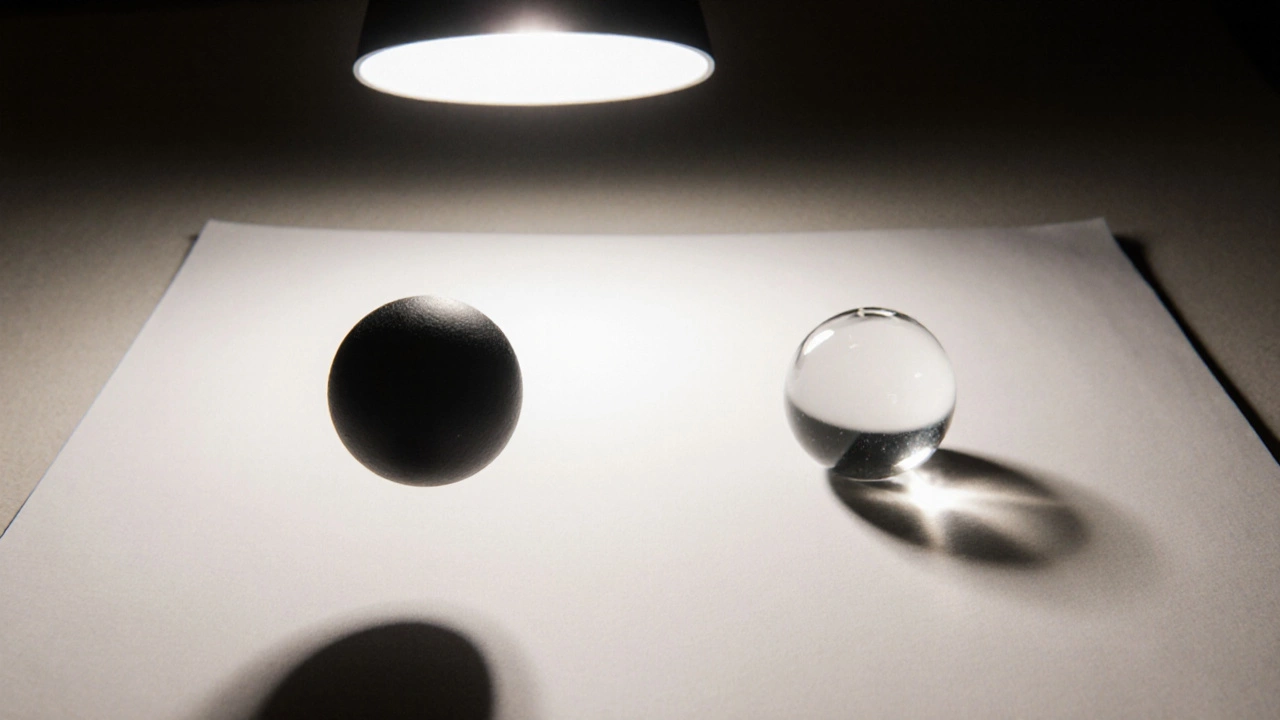
When working with transparent material, you’re dealing with any substance that lets light pass through while staying tough enough for everyday use. Transparent material covers glass, polycarbonate, acrylic and other clear polymers used in security hardware. Also known as clear view material, it forms the backbone of lenses, housings and protective covers that keep cameras and sensors functional.
Key Types of Transparent Material Used in Surveillance
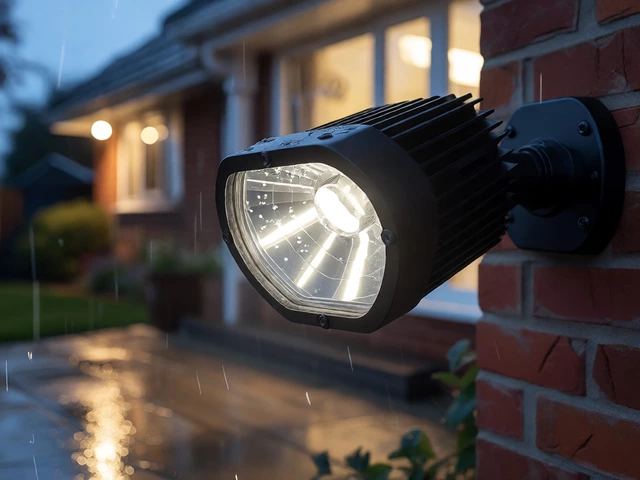
Glass is the classic clear material prized for its optical clarity and scratch resistance is still the go‑to choice for high‑resolution camera lenses. Its high refraction index means less distortion, which directly improves image sharpness – a critical factor for facial recognition and license‑plate reading. Polycarbonate offers impact resistance three times that of glass while remaining lightweight is popular for exterior camera housings where vandalism is a concern. It absorbs shocks, so a shattered lens rarely disables a system.
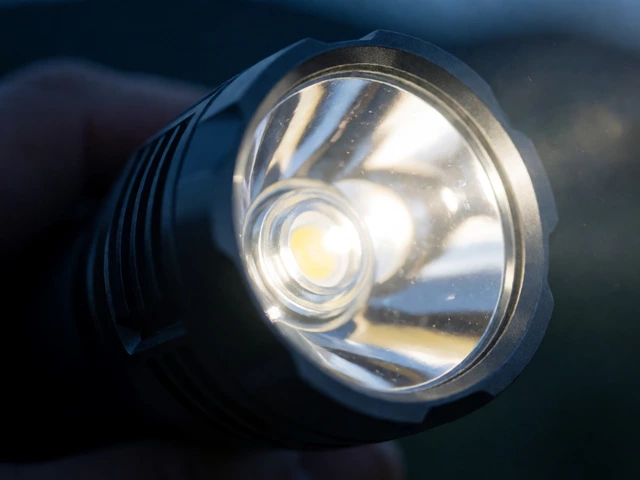
When a security system needs to stay invisible, Acrylic provides a lighter, more shatter‑proof alternative to glass with good optical clarity. It’s often used in privacy‑screen overlays for indoor cameras, letting users see through while diffusing glare. Some night‑vision setups add an anti‑reflective coating that reduces surface reflections and improves low‑light performance. This coating is a thin layer of transparent material engineered to let infrared wavelengths pass while blocking visible light reflections.
Clear materials also enable infrared light that sits just beyond the visible spectrum and powers night‑vision cameras to reach the sensor without distortion. When infrared light passes through a properly coated transparent panel, the camera captures a crisp black‑and‑white image even in total darkness. That same principle applies to thermal imaging systems that detect heat signatures through specially designed transparent windows. The window must transmit far‑infrared wavelengths while shielding the sensor from weather.
All these examples show how transparent material enables higher image quality, durability, and stealth in security equipment. Whether you’re installing a wireless CCTV camera, a night‑vision turret, or a doorbell with a clear dome, choosing the right clear substance makes the difference between a reliable system and a constant source of maintenance headaches.
Below you’ll find a curated collection of articles that dive deeper into how these materials affect alarm systems, camera performance, offline surveillance options, and more. Explore the practical tips, tech comparisons and real‑world case studies to help you pick the best transparent material for your security setup.