CCTV Installation Decision Tool
Answer these questions to find out whether you can install your CCTV system yourself or if you need to hire a professional.
So, you’ve bought a new set of CCTV cameras is a video surveillance system used for monitoring specific areas. They’re sitting in the box, ready to go. Now comes the big question: do you need to hire a qualified electrician to install them, or can you just grab a drill and get it done yourself?
The short answer is: usually, no. For most homeowners installing basic systems on their own property, an electrician isn’t legally required. However, the moment you start touching your home’s main electrical wiring, or if you’re doing this work for someone else for money, the rules change drastically.
Let’s break down exactly when you can handle it yourself and when you absolutely need a professional with a license. We’ll look at the technical differences between camera types, the legal boundaries, and the practical risks involved.
Wireless and Plug-In Cameras: The DIY Friendly Option
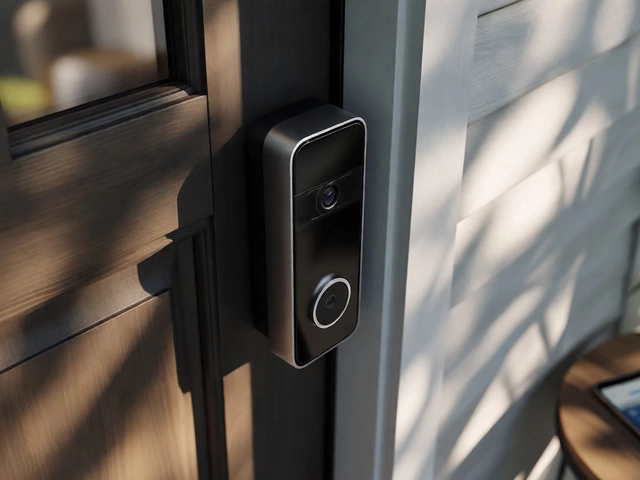
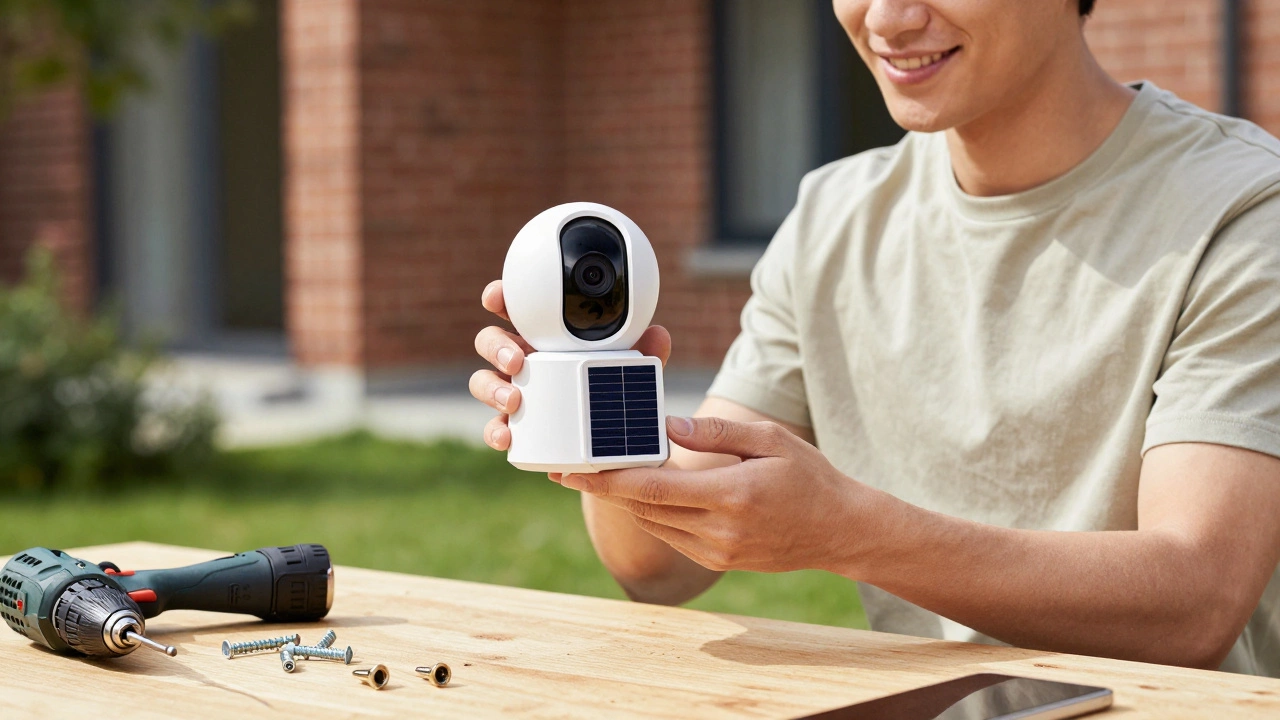
If you want the easiest route, wireless or battery-powered cameras are your best bet. These devices are designed specifically so that anyone with basic handyman skills can install them. Think of brands like Ring, Arlo, or Eufy. They don’t connect to your house’s electrical grid directly.
Here is how these systems typically work:
- Power Source: They run on rechargeable batteries or small solar panels.
- Connection: They connect to your Wi-Fi network wirelessly.
- Installation: You mount them using screws and wall plugs provided in the kit.
I recently helped a friend install a wireless 3K camera with a solar panel. It took about an hour. We used a standard power drill with a 6 mm masonry bit, some plastic wall plugs, and 5 mm screws. There was zero interaction with the home’s electricity. He charged the camera via USB-C, downloaded the app, paired it over Wi-Fi, and mounted it. No sparks, no circuit breakers, no electrician.
Even plug-in cameras that use standard mains sockets (the kind you plug into a regular wall outlet) generally fall into the DIY category. As long as you aren’t drilling holes behind the socket or modifying the outlet itself, you are simply plugging a device into existing infrastructure. This is considered low-risk and doesn’t require a licensed electrician in most jurisdictions, including the UK and much of the US.
Hard-Wired Systems: When You Might Need an Electrician
Things get more complicated when you move to hard-wired systems. These are often preferred for commercial properties or large homes where reliability is key, as they don’t rely on battery life or Wi-Fi strength alone. But here is the catch: if the installation requires modifying fixed electrical wiring, you likely need a pro.
You will need a licensed electrician if your project involves any of the following:
- Adding new outlets: Running new cables from your consumer unit (fuse box) to create new power points for cameras.
- Altering existing circuits: Tapping into existing wires to provide power.
- Outdoor junction boxes: Installing weather-proofed electrical connections outside that tie into the main house supply.
- Dedicated power supplies: Setting up a central power supply unit that needs to be wired into the building’s main power distribution.
In the UK, for example, while low-voltage cabling (like Ethernet Cat5/Cat6 or 12V DC) is often exempt from strict electrical licensing for homeowners, anything involving 230V AC mains power must comply with Part P of the Building Regulations. If you mess this up, it’s not just a safety risk-it’s illegal. In the US, states like Florida have strict laws stating that if your security camera system requires changes to electrical wiring, a licensed electrician must perform that part of the job.
Low-Voltage vs. Mains Voltage: The Technical Distinction
To understand why an electrician isn’t always needed, you have to understand the difference between low-voltage and mains-voltage systems.
| Feature | Low-Voltage / PoE Systems | Mains-Voltage Systems |
|---|---|---|
| Voltage Level | 12V - 48V DC | 110V - 230V AC |
| Power Delivery | Power over Ethernet (PoE) or dedicated adapter | Direct connection to household wiring |
| Risk Level | Low (safe to touch) | High (shock/fire hazard) |
| Electrician Required? | Rarely (for homeowners) | Yes (if modifying fixed wiring) |
| Typical Use Case | Modern IP cameras, NVR setups | Older analog systems, high-power outdoor lights |
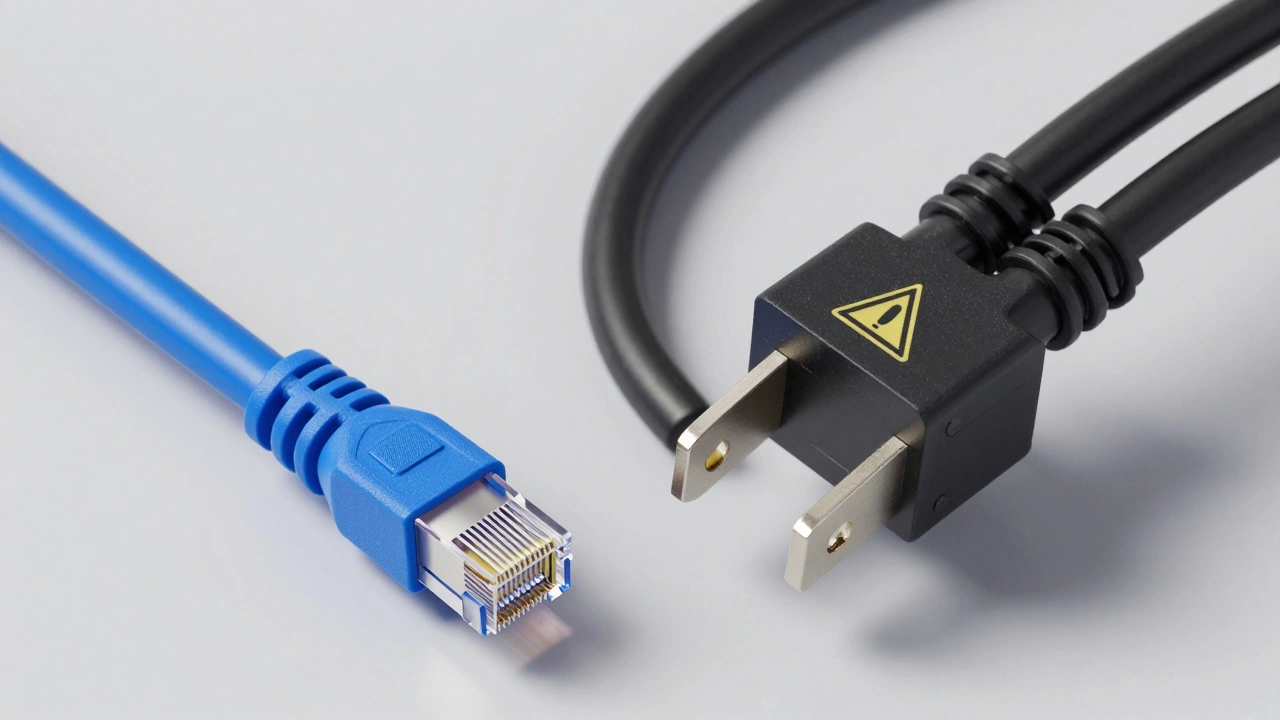
Most modern IP Cameras is digital cameras that transmit data over a network. use Power over Ethernet (PoE). This means both power and data travel through a single Ethernet cable. The voltage is around 48V DC, which is safe and classified as low-voltage. In many places, running Ethernet cable is considered "data cabling," not "electrical work." Therefore, a homeowner can often run these cables themselves without breaking any laws.
However, if you are installing older analog cameras that require a separate 12V power transformer plugged into a newly installed outdoor socket, that socket installation might require an electrician depending on local codes.
The Legal Side: DIY vs. Commercial Work
This is where people often get tripped up. The law treats a homeowner fixing their own house very differently from a contractor getting paid to fix someone else’s house.
For Homeowners (DIY): In most English-speaking countries, including the UK, Australia, and the US, you are allowed to install security cameras on your own private property without a license. You just need to respect privacy laws (don’t film neighbors’ private spaces) and follow basic safety guidelines. If you choose to do the electrical work yourself, you take full responsibility for safety and insurance implications.
For Contractors (Paid Work): If you are paid to install CCTV, the rules tighten significantly. - In Queensland, Australia: Anyone paid to install security cameras must hold a Class 2C Security Provider Licence. If they also do electrical work, they need an electrical license too. Fines for unlicensed work can reach AUD $80,650. - In Florida, USA: It is illegal to install security cameras outside your own home without a specific state license. - In the UK: While there is no specific "CCTV license" for residential work, electricians must be registered with a competent person scheme (like NICEIC) to certify their electrical work. Security installers should carry public liability insurance.
So, if you’re thinking of starting a side hustle installing cameras for friends and family, stop. You likely need a license. If you’re just securing your own garden, you’re probably fine.
Electrician vs. Security Installer: Who Should You Hire?
If you decide you can’t or won’t do it yourself, who do you call? An electrician or a security specialist?
It depends on the scope of the job.
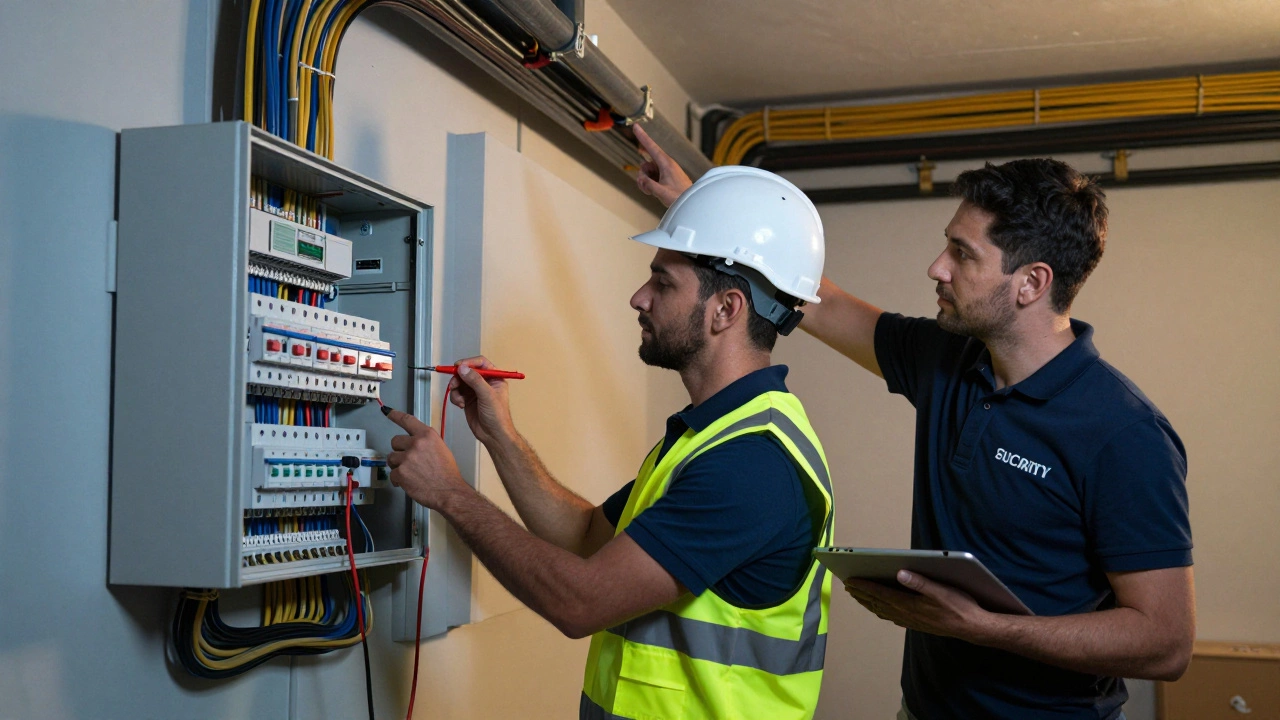
Hire an Electrician if: - You need new power runs from the fuse box. - You are integrating cameras with other smart home systems that require complex wiring. - You are unsure about the condition of your home’s electrical infrastructure.
Hire a Security Installer if: - You need advice on camera placement, field of view, and lens choice. - You want help configuring the Network Video Recorder (NVR) and remote access apps. - The system is primarily low-voltage (PoE/Ethernet).
Often, the best outcome for a large installation is a team approach. The electrician handles the power drops, and the security installer mounts the cameras and sets up the software. Many larger security companies employ staff who are cross-trained in both, but for smaller jobs, specialists are usually more cost-effective.
Risks of Skipping Professional Help
Why bother hiring a pro if you *can* do it yourself? Beyond legality, there are practical risks.
- Fire Hazard: Improperly spliced mains wiring can overheat and cause fires. This is the biggest danger.
- Insurance Issues: If a fire starts due to faulty DIY electrical work, your home insurance claim could be rejected. Similarly, if a professionally installed system fails because it was wired incorrectly by an unlicensed person, the installer’s insurance may not cover damages.
- System Failure: Poor quality cabling or incorrect voltage drops can lead to cameras freezing, rebooting randomly, or providing grainy footage. A pro ensures signal integrity.
- Voided Warranties: Some manufacturers void warranties if the system is not installed according to their electrical specifications, especially for high-end models.
Step-by-Step Decision Guide
Still not sure? Follow this simple checklist to decide your next move.
- Check the Power Source: Does the camera come with a battery or plug into a standard socket? If yes, you can likely DIY. If it requires hard-wiring into the wall, go to step 2.
- Check Your Wiring Skills: Are you comfortable drilling into walls, fishing cables through ceilings, and terminating Ethernet connectors? If no, hire a handyperson or security installer.
- Check Local Laws: Are you doing this for pay? If yes, check your local licensing board. Are you in a region with strict electrical codes (like parts of the US or Australia)? If yes, consult a pro.
- Assess Complexity: Is it one camera or ten? One camera is a weekend project. Ten cameras involving trenching, conduit, and server room setup is a job for professionals.
Remember, the goal of CCTV is peace of mind. Don’t let a botched installation turn that peace of mind into stress. If in doubt, ask a professional for a quote. Often, the labor cost is worth the guarantee that everything works safely and correctly.
Can I install CCTV cameras myself in the UK?
Yes, you can install CCTV cameras yourself in the UK on your own property. For wireless or plug-in cameras, no license is needed. For hard-wired systems, if you modify fixed electrical wiring (mains power), you must comply with Part P of the Building Regulations, which often requires hiring a certified electrician or notifying your local building control body. Low-voltage cabling (like Ethernet) does not strictly require an electrician.
Is it illegal to install security cameras without a license?
It depends on where you live and whether you are being paid. In many places, homeowners can install cameras on their own property without a license. However, if you are paid to install cameras for others, you likely need a security contractor license or an electrical license, depending on the work involved. For example, in Queensland, Australia, a Class 2C license is mandatory for paid security installations.
Do I need an electrician for PoE cameras?
Usually, no. Power over Ethernet (PoE) cameras operate on low voltage (around 48V DC). Running Ethernet cable is generally considered data cabling, not electrical work. However, if you need to run a new Ethernet cable from your router to an outdoor location and this involves drilling through exterior walls or connecting to external power sources for switches, you should ensure the work is done safely and complies with local codes.
What are the risks of DIY CCTV installation?
The main risks include electrical shock or fire if mains wiring is handled incorrectly, voiding manufacturer warranties, poor image quality due to bad cabling practices, and potential rejection of home insurance claims if damage results from faulty DIY electrical work. Additionally, improper placement can lead to privacy violations or ineffective coverage.
How much does professional CCTV installation cost?
Costs vary widely based on location and complexity. In the UK, a professional installation for a 4-camera system might range from £300 to £800. In Australia, professional installation can cost between AUD $1,000 and $3,000. Prices depend on the number of cameras, the type of system (wired vs. wireless), and any additional electrical work required.