
Anti-Barking Device Veterinary Checker
How it works: Select a device type below to see the current veterinary consensus, risk assessment, and recommended alternatives based on major studies.
Static Shock Collar
Delivers electric stimulus to punish barking.
Citronella/Air Blast
Startles with scent or air puff.
Ultrasonic Deterrent
Emits high-pitched noise inaudible to humans.
Sound Masking
White noise machines or fans.
Device Name
Description goes here.
Risk Assessment
Detail about the risk.
Your dog won’t stop barking at the delivery driver. You’ve tried ignoring it, you’ve tried treats, and now you’re staring at an online listing for a shock collar or an ultrasonic deterrent. It’s tempting to think a gadget can solve the problem instantly. But before you buy, there is one question that matters more than price or features: Do vets actually recommend these devices?
The short answer is no-not really. Most veterinarians do not routinely recommend aversive anti-barking devices, especially those that deliver shocks. In fact, many veterinary associations actively oppose them. However, the full picture is a bit more nuanced. Some clinicians will cautiously endorse specific humane tools, like vibration collars or sound-masking machines, but only as a last resort and under strict professional supervision.
What Are Anti-Barking Devices, Exactly?
To understand why vets are so cautious, we first need to define what these gadgets actually do. Anti-barking devices are tools designed to suppress vocalization through various stimuli. They generally fall into three categories:
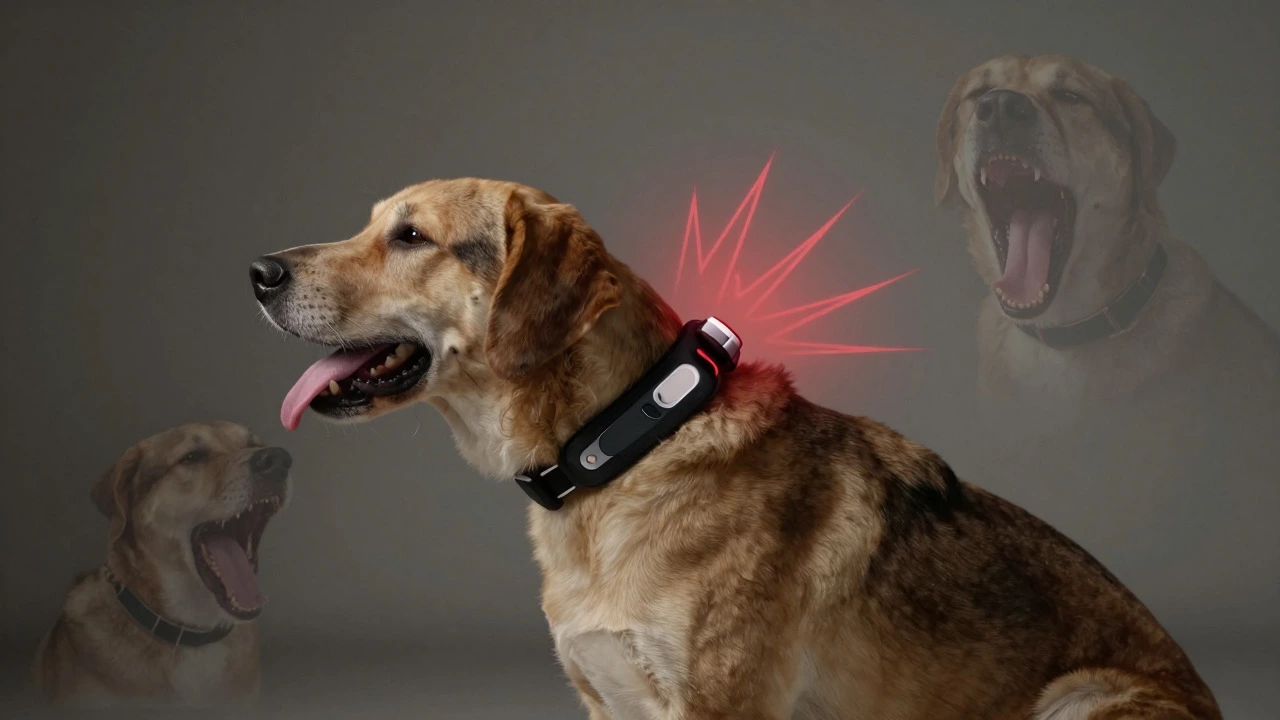
- Aversive Collars: These include static shock collars, citronella spray collars, and air-blast collars. They work by punishing the act of barking with pain, smell, or surprise.
- Ultrasonic Deterrents: Standalone units or collars that emit a high-pitched noise when they detect barking. This noise is unpleasant to dogs but often inaudible to humans.
- Sound-Masking Tools: White noise machines or fans that raise the ambient noise level in your home to drown out external triggers like traffic or neighbors.
The World Small Animal Veterinary Association (WSAVA) has explicitly classified most anti-bark collars as "punishers." They don’t teach your dog what to do instead; they just try to make barking uncomfortable. This distinction is crucial because punishment addresses the symptom, not the cause.
The Veterinary Consensus: Why Shocks Are Out
If you walk into a vet clinic today and ask about electronic shock collars, you’ll likely get a firm "no." This isn’t just personal opinion; it’s backed by major policy statements from around the world.
In 2016, the New Zealand Veterinary Association (NZVA) published a formal policy stating they "do not support the use of electronic behaviour modifying collars" that deliver aversive stimuli. Their reasoning was clear: these devices have limited efficacy and pose significant welfare risks. Similarly, the Scottish Animal Welfare Commission released a detailed report in April 2023 concluding that the pain caused by e-collars leads to detrimental side effects like increased aggression, generalized fear, and apathy. They went further, advising that the use of e-collars for training should be prohibited in Scotland due to the unacceptable risk to dog welfare.
The American Veterinary Society of Animal Behavior (AVSAB) aligns with this view. They emphasize that reward-based training is safer and more effective. A key study from the University of Lincoln, which AVSAB cites, found no evidence that e-collar training is necessary, even for difficult behaviors, when compared to positive reinforcement methods.
What Does the Science Say About Stress?
You might hear trainers argue that if a dog doesn’t seem stressed, the collar must be safe. But science looks deeper than surface behavior. A controlled study published in PLOS ONE in 2014 compared dogs trained with remote electronic collars versus those trained with rewards. The results were telling.
Dogs using e-collars showed immediate behavioral signs of distress during sessions. We’re talking about sudden body movements, vocalizations consistent with pain, and later studies noting increased lip-licking, yawning, and paw-lifting-classic calming signals in canine body language. While physiological markers like cortisol levels didn’t always spike dramatically in every case, the behavioral data consistently pointed to a more negative experience for the dog.
There is some disagreement in the scientific community. A 2024 study archived on PubMed Central suggested that when expert trainers use e-collars carefully, chronic stress indicators might be minimal beyond the initial yelp. However, this nuance hasn’t shifted the mainstream veterinary stance. The consensus remains that the welfare cost outweighs the benefit, especially since effective alternatives exist.
| Device Type | Mechanism | Veterinary Stance | Risk Level |
|---|---|---|---|
| Static Shock Collar | Electric stimulus | Generally Opposed | High (Pain, Fear) |
| Citronella/Air Blast | Scent or tactile startle | Cautionary | Moderate (Anxiety) |
| Ultrasonic Deterrent | High-frequency sound | Mixed/Neutral | Low (Habituation) |
| Sound Masking | White noise/Ambient sound | Recommended | Very Low |
Are There Any Devices Vets Actually Like?
Yes, but they aren’t the ones zapping your dog’s neck. If you look at what vets *do* recommend, the focus shifts from punishing the dog to managing the environment.
Sound-masking devices are increasingly discussed by clinicians as preferable. These are simple white noise machines, fans, or specialized audio systems that raise the background noise level. By drowning out the trigger-like a neighbor’s doorbell or a passing car-you remove the reason for the bark without touching the dog. Data from Birmingham Control Centre indicates that sound-masking devices achieved a 65% success rate in reducing problem barking, with general veterinary approval marked as "Yes." Compare that to anti-bark collars, which had a reported success rate of only 32% and a "No" for veterinary approval.
Some vets may reluctantly agree to a vibration collar or a citronella spray, but only under strict conditions. A survey summarized by Total-Sec noted that 58% of vets preferred vibration or citronella over static shock because they carry lower perceived stress risks. However, even these are considered "last resort" options. They are rarely the first line of defense.
The Role of Pet-Friendly Alarms in Home Security
Here is where things get interesting for homeowners. Often, people looking for anti-barking solutions are also concerned about security. You want to know if someone is breaking in, but you don’t want your dog going berserk every time a leaf hits the window.
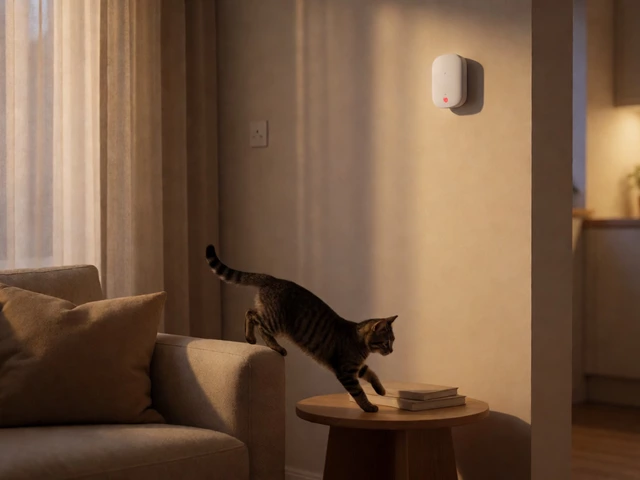
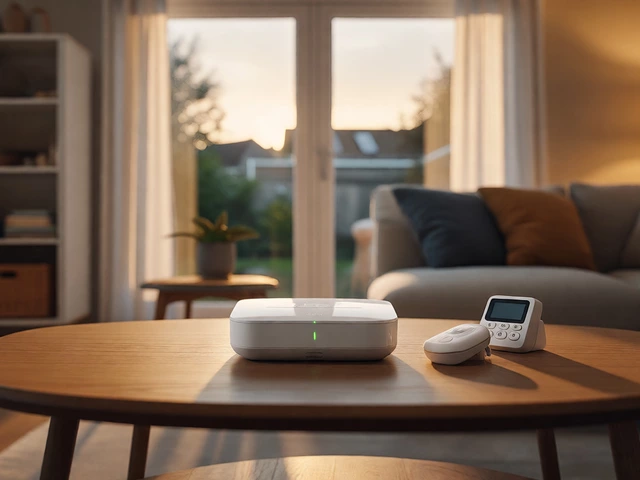
This is where pet-friendly alarms come into play. Unlike anti-bark collars that target the dog, pet-friendly alarm systems target the environment. Modern motion sensors can be calibrated to ignore small animals, ensuring your dog runs around the living room without triggering a siren. Conversely, if a human intruder enters, the alarm sounds.
Why does this matter for barking? Because many dogs bark at false alarms or minor disturbances. A well-tuned pet-friendly alarm system reduces the chaotic noise spikes that trigger anxiety-based barking. It creates a predictable environment. When your dog knows the house is secure and the alarm won’t go off randomly, their baseline stress levels drop. Less stress means less reactive barking. It’s a win-win: you get security, and your dog gets peace of mind.

When Might a Vet Consider a Collar?
It’s rare, but it happens. According to a 2023 survey, nearly 70% of veterinarians said they would never suggest a shock-based collar. That leaves a small minority who might consider it. Under what circumstances?
- Documented Failure of Other Methods: The owner must show proof that weeks of positive reinforcement, environmental management, and medical checks have failed.
- Specific High-Risk Behaviors: Sometimes, e-collars are used not for nuisance barking, but for life-threatening issues, like a dog chasing cars or livestock. Even then, it’s usually managed by a professional trainer, not the owner.
- Strict Health Screening: 92% of vets advise a thorough health check before fitting any collar. Puppies under 12 months, dogs with arthritis, skin sensitivities, or neurological issues are generally ruled out.
If you are considering a device, ask yourself: Is my dog barking because he’s bored, anxious, or guarding? A collar won’t fix boredom. It won’t cure anxiety-in fact, it often makes it worse by adding fear to the equation. It might silence the bark temporarily, but the underlying emotion remains, festering beneath the surface.
Practical Steps Before You Buy Anything
Before you spend money on gadgets, try these vet-approved steps:
- Rule Out Medical Issues: Pain, thyroid problems, or cognitive decline in older dogs can cause excessive vocalization. See your vet first.
- Identify the Trigger: Is it territorial? Loneliness? Excitement? Keep a log of when the barking happens.
- Manage the Environment: Close curtains to block visual triggers. Use white noise machines to mask auditory triggers.
- Teach a "Quiet" Cue: Reward silence. When your dog stops barking, even for a second, mark it with a clicker or a "yes" and give a treat. This teaches them that quiet earns rewards, rather than barking earning punishment.
Devices are tools, not magic wands. The best tool is often a consistent training plan combined with a calm, secure home environment.
Do vets recommend shock collars for barking?
Most veterinarians do not recommend shock collars. Major organizations like the NZVA and AVSAB oppose them due to welfare risks, including pain, fear, and aggression. They are generally viewed as unnecessary given the effectiveness of positive reinforcement methods.
Are ultrasonic anti-bark devices safe?
Ultrasonic devices are generally considered safer than shock collars because they don't cause physical pain. However, they can still cause stress or anxiety in some dogs, and many dogs simply habituate to the sound over time, making them ineffective in the long run.
What is the best alternative to an anti-bark collar?
The best alternatives are environmental management and positive reinforcement training. Sound-masking devices (white noise machines) are highly recommended by vets to reduce trigger-based barking. Teaching a "quiet" cue using treats is also a proven, humane method.
Can anti-bark collars make barking worse?
Yes. If a dog barks due to anxiety or fear, punishing the bark can increase that anxiety, leading to more frantic or aggressive behavior. Studies have shown links between aversive training and increased generalized fear and apathy in dogs.
How do pet-friendly alarms help with barking?
Pet-friendly alarms reduce false alarms triggered by pets, creating a quieter, more predictable home environment. By minimizing random noise spikes and securing the home effectively, they help lower a dog's overall stress levels, which can indirectly reduce reactive barking.