Home Security Camera Cost Estimator
Configure your ideal setup to see the true long-term cost — not just the sticker price.
Limited night vision
AI detection
Solar/PoE options
Walking past the local hardware store, you see shelves lined with cameras ranging from £30 to over £500. Which one actually keeps your home safe? The short answer is that a "good" home security camera in 2026 typically costs between £80 and £150 per unit if you want reliable night vision, motion detection, and clear footage. However, the total cost depends heavily on whether you need just one device or a full multi-camera system.
Many people assume that expensive means better, but in the world of home security, mid-range devices often offer the best balance of features and reliability. Ultra-cheap models often struggle with false alarms or poor low-light performance, while professional-grade systems can cost thousands for features you might never use. This guide breaks down exactly what you should expect to pay in the UK market today, helping you avoid overspending or buying a gadget that fails when it matters most.
Understanding Price Tiers for Home Security Cameras
To figure out how much you should spend, it helps to understand where different prices land in terms of quality and capability. The market is generally divided into three distinct tiers, each serving a different level of security need.
| Price Range (Per Unit) | Typical Features | Best For | Common Brands |
|---|---|---|---|
| £20 - £50 | 720p/1080p resolution, basic motion alerts, limited night vision, Wi-Fi only | Indoor pet monitoring, temporary coverage, very tight budgets | Generic brands, older Ring models |
| £80 - £150 | 1080p/2K resolution, colour night vision, AI person/package detection, two-way audio | Front doors, driveways, general home protection | Ring, Eufy, Wyze, Arlo |
| £150 - £300+ | 4K resolution, advanced AI tracking, solar options, wired PoE stability, long storage history | Larger properties, business premises, enthusiasts wanting maximum detail | Nest, Reolink, Ubiquiti, Hikvision |
The sweet spot for most homeowners is clearly the middle tier. At this price point, you get modern sensors that can distinguish between a cat walking by and a potential intruder, which drastically reduces the number of useless notifications on your phone. Cheaper models often send an alert every time a leaf blows across the lens, leading to "alert fatigue" where you stop checking your phone entirely.
One-Time Cost vs. Subscription Fees
This is the part many buyers miss. The sticker price is only half the story. In 2026, almost all major consumer brands push you toward monthly subscriptions for cloud storage and advanced features like zone masking or activity zones.
- No-Subscription Models: Brands like Eufy are a home security brand known for offering cameras with local storage options, eliminating the need for monthly cloud fees allow you to save footage directly to a small hub included in the box. If you buy a £120 Eufy camera, that is essentially your total cost. No hidden fees.
- Cloud-Based Models: Brands like Ring are a popular home security ecosystem provider that offers affordable hardware but relies on paid plans for extended video history have cheap entry-level cameras (around £50-£80), but to keep more than 24 hours of footage or access person detection, you typically pay around £4-£6 per month. Over three years, that subscription alone costs more than the camera itself.
If you are calculating long-term value, a no-subscription camera at £120 will likely be cheaper over five years than a £60 camera with a mandatory £5/month plan. Always factor in the recurring cost before deciding which price tag looks "better."
Key Features That Justify Higher Prices
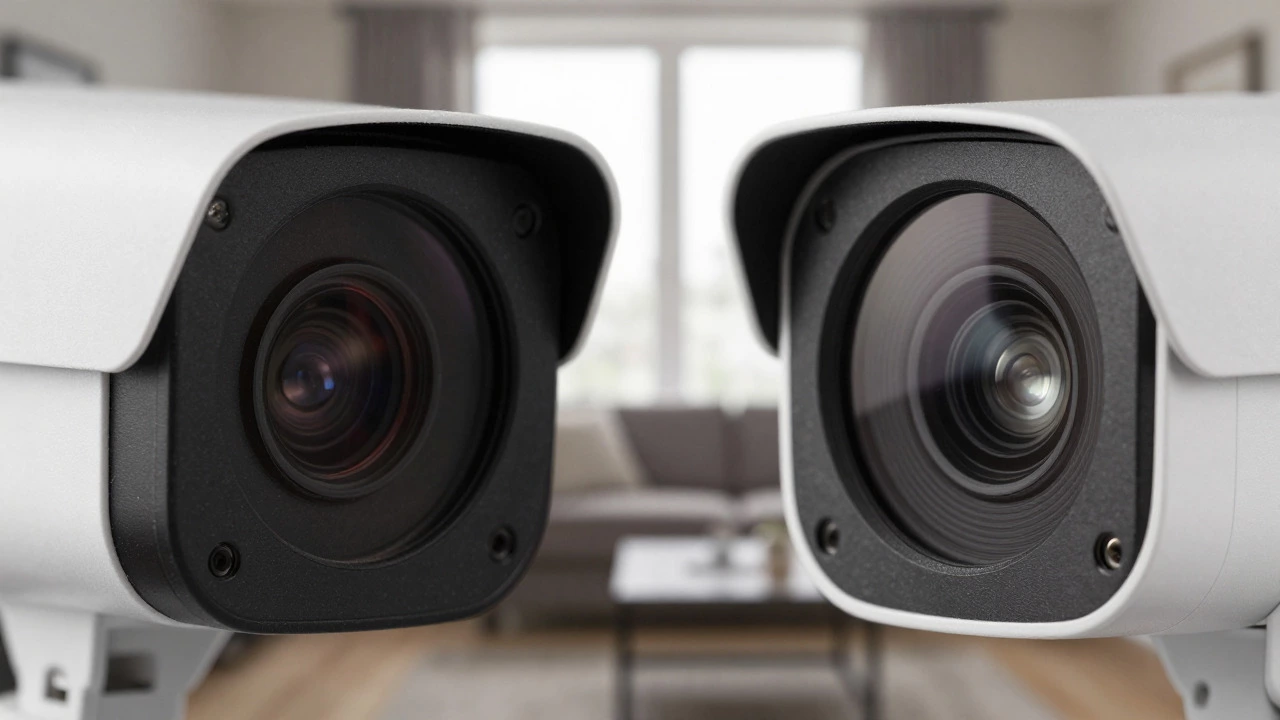
Why would anyone pay £150 instead of £80? It usually comes down to specific technical improvements that make daily life easier and security tighter. Here is what you are actually paying for in the higher brackets.
- Colour Night Vision: Basic infrared cameras show black-and-white footage at night. Mid-to-high-end cameras use floodlights or enhanced sensors to capture colour images after dark. This makes identifying a face or a vehicle significantly easier.
- AI Object Detection: Instead of just saying "Motion Detected," these cameras tell you if it’s a Person, Vehicle, Package, or Animal. This feature is standard in the £100+ range and crucial for reducing false alarms.
- Two-Way Audio Quality: Cheap microphones sound tinny and distant. Better cameras have noise-cancelling mics that let you speak clearly to a delivery driver or scare off a trespasser without them understanding what you said.
- Power Options: Solar panels or wired Power over Ethernet (PoE) connections eliminate the hassle of recharging batteries. If you hate swapping batteries every two weeks, paying extra for a wired or solar model is worth it.
For example, if you live in a busy street, package theft is a real risk. A camera with dedicated package detection (often found in the £100-£150 range) will alert you specifically when a courier leaves a parcel, giving you peace of mind that generic motion alerts don’t provide.
System Costs: Multi-Camera Setups
Most homes need more than one camera. A typical setup includes a front door camera, a driveway camera, and perhaps one for the back garden. When scaling up, bulk discounts and bundle deals become important.
A 4-camera kit from a reputable brand usually costs between £300 and £500. This averages out to about £75-£125 per camera, which is often cheaper than buying individual units. These kits usually include a central hub or NVR (Network Video Recorder) for local storage. If you opt for a professional installation service, add another £150-£300 for labour, though DIY wireless systems are designed to be installed in under an hour without tools other than a screwdriver.
Remember to check if your existing Wi-Fi router can handle multiple streaming devices. Four cameras constantly uploading data can strain older routers. If you are setting up a 4+ camera system, consider spending an extra £100 on a mesh Wi-Fi extender to ensure stable connectivity for all devices.
When to Buy: Timing Your Purchase
Camera prices fluctuate based on sales cycles. In the UK, the best times to buy are usually Black Friday (November) and Boxing Day (December), where discounts of 20-30% are common. However, because technology moves fast, waiting too long might mean missing out on current-generation features.
If you need security urgently, don’t wait. But if you can wait, monitor price trackers during the summer months (like August) as retailers often run clearance sales on previous year's models. A last-year flagship model sold for £100 in August 2026 might offer 90% of the performance of a new £150 model released in January 2026. This is often the smartest financial move for savvy buyers.
Frequently Asked Questions
Is a £50 home security camera good enough?
It depends on your needs. A £50 camera is fine for indoor pet monitoring or a simple driveway view where high detail isn't critical. However, for serious home security, you may find the night vision grainy and the motion alerts unreliable due to lack of AI filtering. For front doors or main entrances, aim for at least £80-£100.
Do I really need a subscription for my security camera?
No, not necessarily. Many modern cameras, particularly those from Eufy and Reolink, offer local storage via microSD cards or a home base station. This saves you money in the long run. Cloud subscriptions are convenient for remote access and backup, but local storage is sufficient for most users who primarily review footage when they are at home.
What is the difference between a video doorbell and a security camera?
A video doorbell is specifically designed for your front door, featuring a button for visitors and optimized angles for seeing faces. A security camera is more versatile and can be placed anywhere. Many doorbells now have camera-like features, but a dedicated outdoor camera often has a wider field of view and better weather resistance for non-door locations.
How much does it cost to install a CCTV system professionally?
Professional installation in the UK typically costs between £150 and £300 for a standard 4-camera system, depending on the complexity of wiring and mounting heights. DIY wireless systems are free to install if you already have tools, saving you this cost entirely.
Are wired cameras better than Wi-Fi cameras?
Wired cameras (PoE) are more stable and harder to hack because they don't rely on your home Wi-Fi network. They also provide continuous power, so there's no battery anxiety. However, they require drilling and running cables, making installation more difficult. Wi-Fi cameras are easier to set up but depend on your internet connection strength.