Home Security Monitoring Cost Estimator
Cost Breakdown ( Months)
*Estimates based on 2026 market averages. Major brands typically range $25-$50/mo. DIY brands $15-$25/mo. Self-monitoring is free but lacks emergency dispatch. Insurance discounts vary by provider. Actual costs may differ. Always consult your insurer for exact discount eligibility.
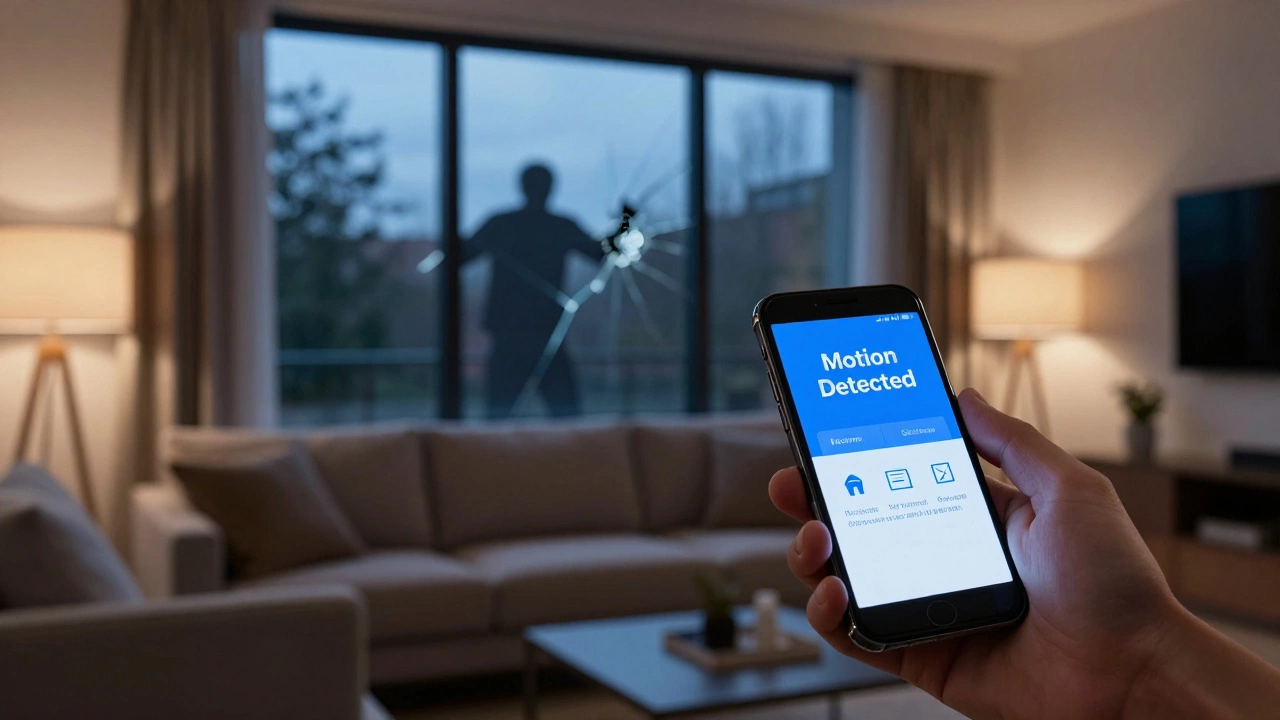
Imagine you're on holiday in Spain. Your phone buzzes with an alert from your home security app: "Motion detected in the living room." You tap it, but the video buffer is loading slowly due to poor reception. By the time the image clears, the window is already broken. In this scenario, did you just need a camera, or did you need someone watching your back?
This is the core question behind professional home monitoring, which is a service where trained dispatchers watch your alarm system 24/7 and contact emergency services if you can't respond. In 2026, the technology for DIY cameras has never been better, yet many homeowners still pay monthly fees for traditional monitoring services. Is that fee buying you peace of mind, or is it just a recurring expense for a service you might not use?
The Core Difference: Self-Monitoring vs. Professional Monitoring
To decide if monitored security is worth it, you first have to understand what you are actually paying for. Most modern systems offer two paths: self-monitoring and professional monitoring.
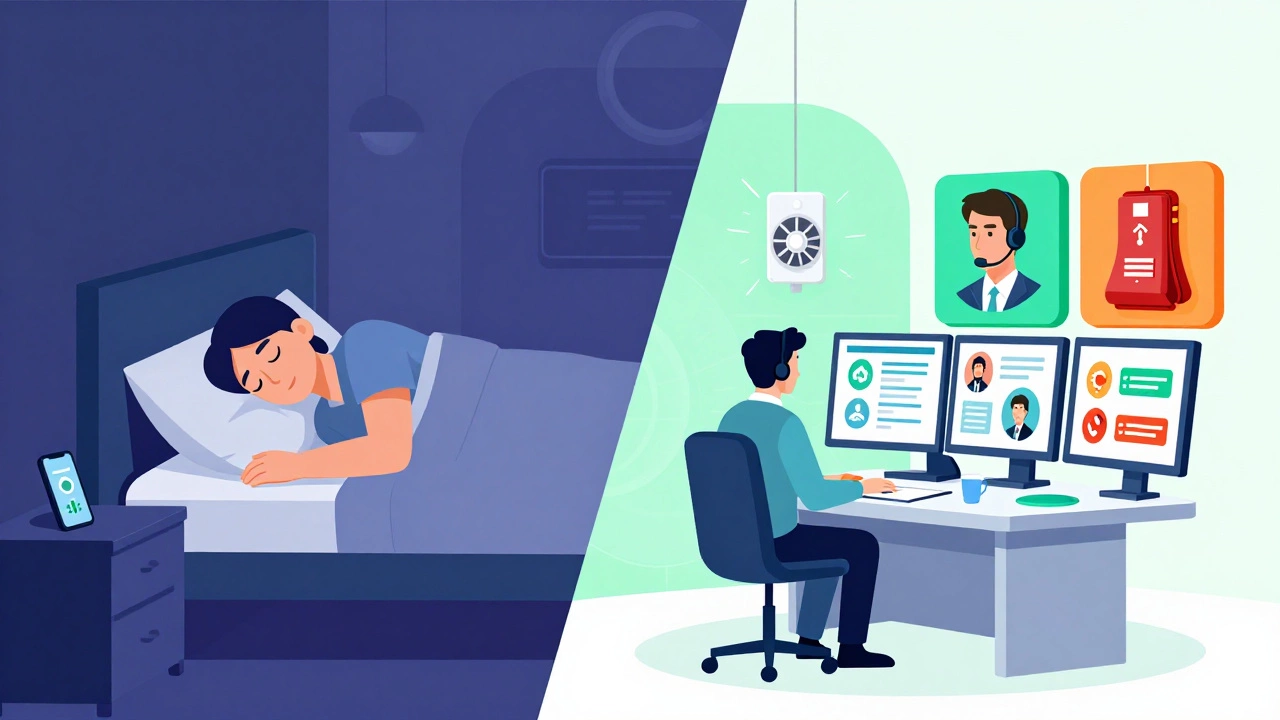
Self-monitoring relies entirely on push notifications sent directly to your smartphone when sensors are triggered. If you’re at work, asleep, or simply miss the notification, no one knows. You are the dispatcher, the investigator, and the responder. This works well if you’re always home and quick to act, but it fails during emergencies where seconds count-like a fire or a medical crisis.
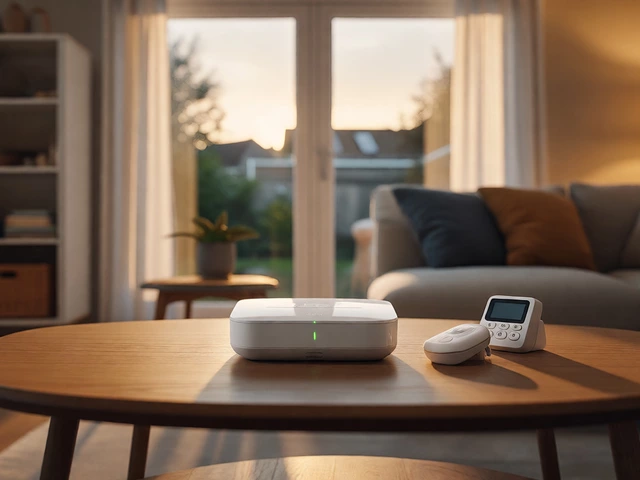
In contrast, Professional monitoring connects your system to a central station staffed by trained operators who verify alarms and dispatch police, fire, or medical help. These centers operate around the clock. When an alarm triggers, they don’t just send a text; they call you, ask for a safe word, and if you don’t answer, they contact local authorities immediately. This hands-off approach is the primary value proposition for most users.
Who Actually Needs Professional Monitoring?
Not every homeowner needs a 24/7 dispatcher. The value of professional monitoring depends heavily on your lifestyle and risk profile. Here is how to determine if it fits your situation:
- Frequent Travelers: If you travel for work or vacation often, you won’t be there to verify false alarms or respond to break-ins. Professional monitoring ensures help arrives even if you’re across the country.
- Elderly or Solo Residents: For older adults or those living alone, medical alerts and fall detection linked to professional monitoring can be life-saving. A dispatcher can call 911 before family members even know something is wrong.
- High-Value Assets: If your home contains expensive electronics, art, or jewelry, the rapid police response associated with monitored systems increases the chance of catching intruders in the act.
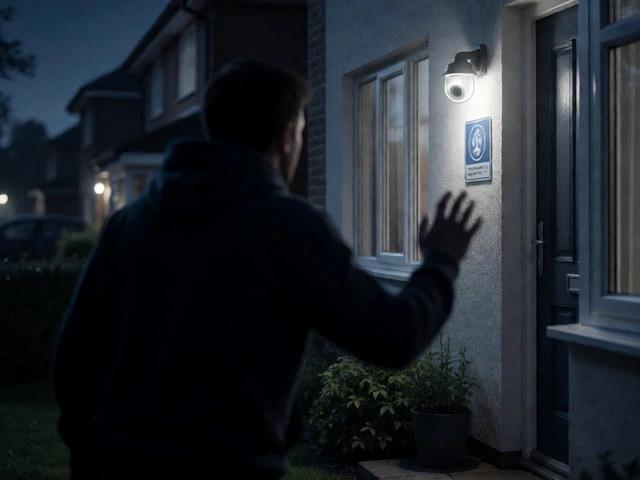
- High-Crime Areas: Living in neighborhoods with higher burglary rates makes the deterrent effect of visible monitored signage more valuable.
If you are home most of the day, have a robust Wi-Fi connection, and check your phone constantly, self-monitoring might suffice. But if you want a safety net that works while you sleep or away, professional monitoring fills that gap.
The Cost Breakdown: What Are You Paying in 2026?
Pricing is the biggest hurdle for many buyers. In 2026, costs vary significantly based on whether you choose a major brand like ADT, which offers tiered monitoring plans ranging from $24.99 to $49.99 per month depending on features and installation method, or a smaller provider.
| Provider Type | Monthly Cost Range | Contract Terms | Key Features |
|---|---|---|---|
| Major Brands (e.g., ADT) | $25 - $50 | Often 36-month contracts | Police dispatch, video verification, cellular backup |
| DIY Brands (e.g., SimpliSafe) | $15 - $25 | Month-to-month available | Basic monitoring, optional cellular backup |
| Self-Monitoring Only | $0 - $10 | No contract | App alerts, cloud storage fees may apply |
Note that some providers, like Vivint, allow month-to-month payments unless equipment financing is involved, offering more flexibility than traditional long-term contracts. However, locking into a multi-year contract often secures a fixed rate, protecting you from future price hikes. Consumer Reports data suggests monthly fees can range from $15 to $53, so shopping around is essential.
Hidden Financial Benefits: Insurance Discounts
One of the most compelling arguments for professional monitoring is the impact on your homeowners insurance premiums, which can see discounts of 5% to 20% annually for having a professionally monitored system. Insurers view monitored homes as lower risk because the likelihood of severe damage from fire or theft is reduced.
To qualify, your system typically must include burglar alarms, fire detectors, and carbon monoxide sensors. If your annual premium is £800, a 10% discount saves you £80 a year. Over a five-year contract, that’s £400 saved, which can offset a significant portion of your monitoring fees. Always check with your insurer about specific requirements before signing up.
The Drawbacks: Contracts and Privacy Concerns
It’s not all positive. The main criticisms of professional monitoring revolve around commitment and privacy. Many top-tier providers require lengthy contracts, making it difficult to switch providers if service quality drops. Early termination fees can be steep.
Additionally, sharing live camera feeds with a third-party monitoring center raises privacy questions. While reputable companies have strict data protection protocols, the idea of strangers viewing your home interior-even briefly during an alarm event-can feel intrusive. If privacy is your top concern, self-monitoring with local storage (no cloud) is a safer bet.
Does It Actually Stop Crime?
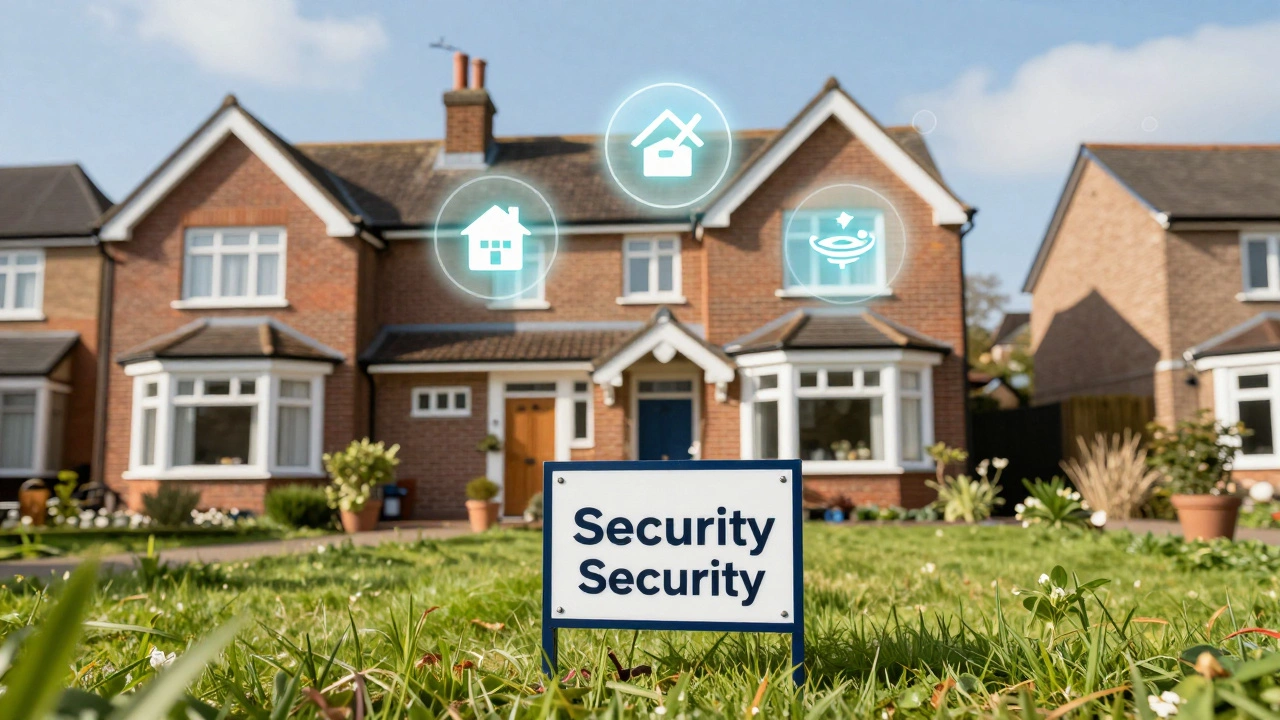
You might wonder if a monitored system really deters burglars. Research from Rutgers University indicates that burglar alarm systems decrease crime without displacing it to neighboring properties. The presence of visible monitoring signs acts as a psychological barrier. Criminals prefer easy targets; a house with a flashing ADT or similar sign signals that police will arrive quickly, increasing the risk of capture.
Furthermore, studies show that hardwired, professionally installed systems can increase property value. While the ROI is hard to calculate precisely, potential buyers often view a pre-installed, monitored security system as a valuable feature, similar to a new roof or updated kitchen.
Verdict: Is It Worth It for You?
Professional home monitoring is worth it if you prioritize safety over cost, travel frequently, or have vulnerable household members. The combination of 24/7 oversight, rapid emergency response, and insurance discounts creates a strong financial and emotional case for these services. However, if you are tech-savvy, rarely leave home, and are comfortable managing alerts yourself, self-monitoring offers a cheaper, more private alternative.
Before deciding, calculate the total cost of ownership including equipment, monthly fees, and potential contract penalties. Then weigh that against your personal risk tolerance. For many, the peace of mind knowing someone is watching their home is priceless.
How much does professional home monitoring cost in 2026?
Costs vary by provider. Major brands like ADT charge between $25 and $50 per month, while DIY options like SimpliSafe range from $15 to $25. Self-monitoring is free but lacks emergency dispatch. Additional fees may apply for cellular backup or video storage.
Do I need a contract for professional monitoring?
Many traditional providers require 36-month contracts, especially if they install the equipment. However, some companies offer month-to-month plans, giving you the flexibility to cancel anytime. Check the fine print for early termination fees.
Can I get an insurance discount for a monitored system?
Yes, most insurers offer discounts of 5% to 20% for professionally monitored systems. Requirements usually include connected fire, CO, and burglar alarms. Contact your provider to confirm eligibility.
What happens if I’m not home when the alarm goes off?
With professional monitoring, the central station calls your phone. If you don’t answer or provide your safe word, they dispatch police or fire departments immediately. Self-monitoring relies on you seeing the alert and acting, which is risky if you’re unavailable.
Is professional monitoring better than self-monitoring?
Professional monitoring is better for emergencies, travel, and elderly care because it guarantees a response. Self-monitoring is cheaper and more private but requires constant attention from the homeowner. Choose based on your lifestyle and risk tolerance.