
Are Wireless CCTV Cameras Any Good? Real-World Performance, Pros, and Cons
Wireless CCTV cameras offer convenience for renters and temporary setups but struggle with reliability, power, and signal issues. Learn where they work-and where they fail.
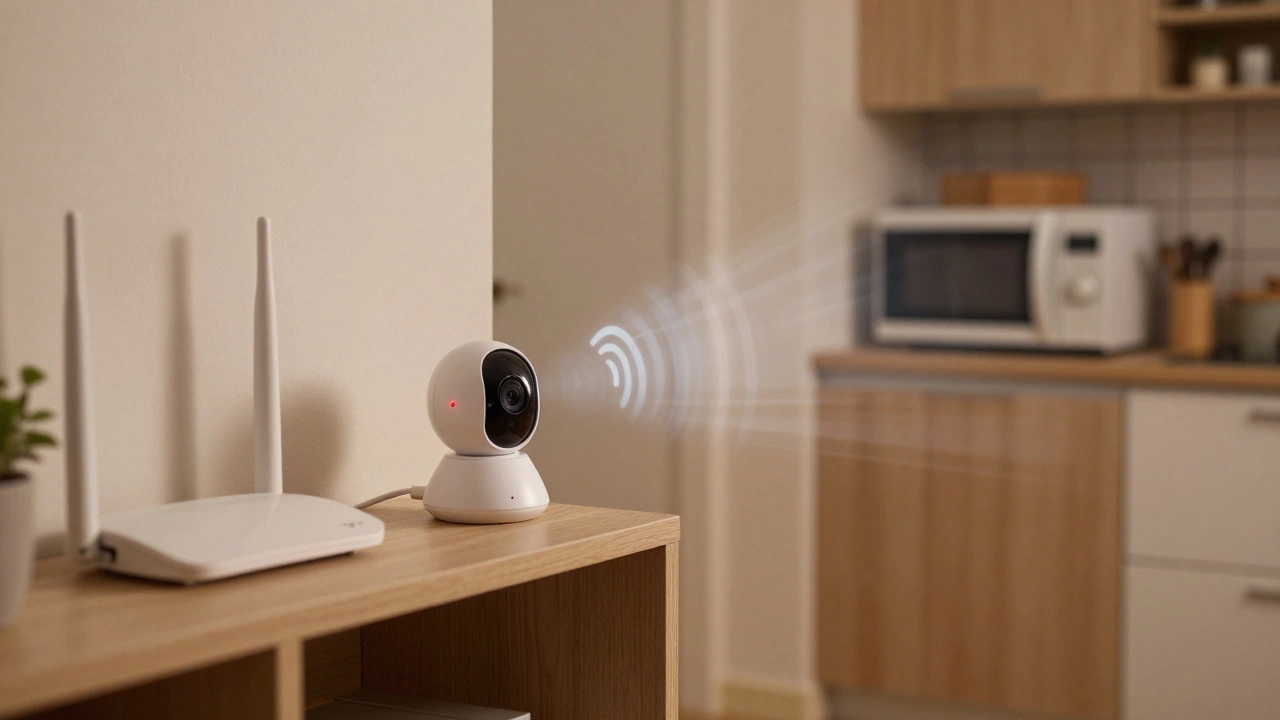
When you’re looking for the best wireless CCTV, you’re not just buying a camera—you’re buying peace of mind. A wireless CCTV system, a surveillance setup that transmits video without physical cables, often using Wi-Fi or cellular networks. Also known as wireless security cameras, these systems let you monitor your home or business from anywhere, without the hassle of drilling holes or running wires. But not all wireless cameras are built the same. Some die after a few weeks in the rain. Others drain batteries in days. Others lose connection when you need them most.
The real difference comes down to three things: CCTV connectivity, how the camera sends video to your phone or cloud, whether through Wi-Fi, cellular, or local storage, outdoor CCTV installation, the placement and protection of cameras to handle weather, angle, and privacy laws, and battery-powered security cameras, devices that run on rechargeable or replaceable batteries without needing a power outlet. A camera that works perfectly indoors might fail outside in freezing rain. A model with great battery life in summer could die in winter. And if your Wi-Fi is slow or unreliable, you’ll get blurry clips or no alerts at all.
You don’t need the most expensive system. You need one that fits your home, your climate, and your internet. Some cameras claim 12-month battery life—but that’s only if they never record motion, never stream video, and never face cold temperatures. Real users report 2 to 6 months, depending on how often the camera activates. And if you’re installing cameras outdoors, you need IP65 or higher ratings. Anything less will rust, fog, or short-circuit. You also need to know where you can legally point them. In the UK, pointing a camera at a neighbor’s window or public sidewalk can land you in trouble—even if your camera is wireless.
What you’ll find below isn’t a list of top brands. It’s a collection of real, tested insights from people who’ve installed these systems, battled bad weather, and learned the hard way what actually works. You’ll see how battery life changes with motion zones, why some cameras need Wi-Fi and others don’t, how to avoid legal mistakes with outdoor placement, and what happens when your internet goes down. No fluff. No marketing buzzwords. Just what you need to know before you buy.
Wireless CCTV cameras offer convenience for renters and temporary setups but struggle with reliability, power, and signal issues. Learn where they work-and where they fail.