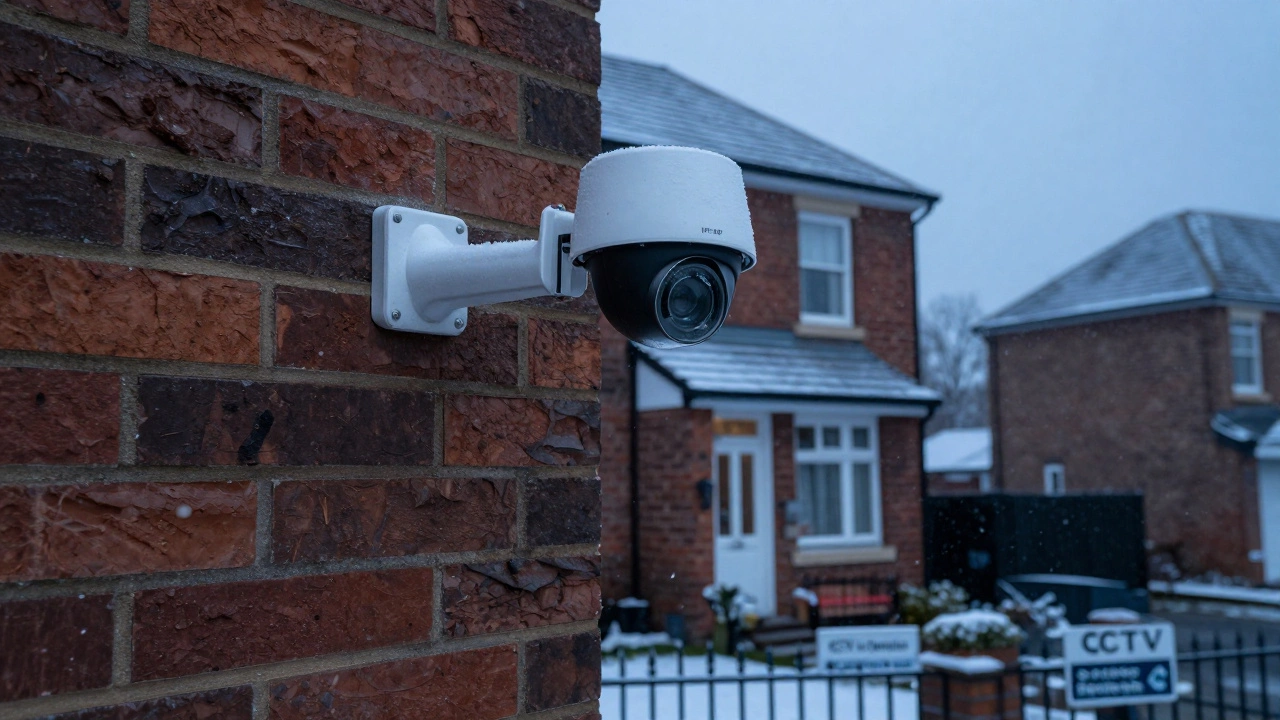
CCTV Legal Rules UK: What You Can and Can't Do with Security Cameras
When you install a CCTV, a closed-circuit television system used for monitoring property. Also known as security camera system, it helps protect your home or business—but only if you follow the law. Many people think if it’s on their own property, they can point it anywhere. That’s not true. In the UK, there are strict rules around where you can aim your cameras, who you can record, and how you handle the footage. Get it wrong, and you could face fines, complaints, or even legal action—even if you’re just trying to keep your house safe.
The law treats your CCTV as a data collection tool, not just a security device. Under UK GDPR, the UK’s data protection law that governs how personal information is collected and stored. Also known as Data Protection Act 2018, it applies to any camera that captures images of people outside your private property. That means if your camera catches your neighbor’s driveway, their front door, or even a public footpath, you’re collecting personal data. You must tell people they’re being recorded, store footage securely, and delete it after a reasonable time—usually no more than 30 days unless there’s a specific reason to keep it longer. You can’t use your camera to spy on people, record private conversations, or zoom in on windows. If your neighbor complains, you may be forced to remove or reposition the camera.
It’s not just about privacy—it’s about practicality too. Many people buy wireless CCTV kits thinking they’re easy to install, but if the camera points at a public street or a shared garden, you’re opening yourself up to legal risk. Even if you don’t share the footage, the law still applies. The same goes for doorbell cameras. If your Ring or Arlo camera captures anyone walking past your gate, you’re subject to the same rules. You don’t need a license, but you do need common sense and clear signage. A simple sticker saying "CCTV in operation" is enough to meet the legal requirement.
There’s a big difference between protecting your property and invading someone else’s space. Cameras pointed at your own front porch? Fine. Cameras trained on your neighbor’s bedroom window? Illegal. The UK doesn’t ban home CCTV—it just wants you to use it responsibly. And if you’re renting, your landlord might have rules too. Always check your tenancy agreement before installing anything.
Below, you’ll find real-world advice on where cameras can and can’t go, how to avoid privacy violations, and what happens when things go wrong. We’ve pulled insights from posts that tested camera placement, reviewed legal cases, and broken down what the law actually says—no jargon, no fluff. Whether you’re a homeowner, landlord, or renter, you’ll know exactly where to point your camera without crossing the line.