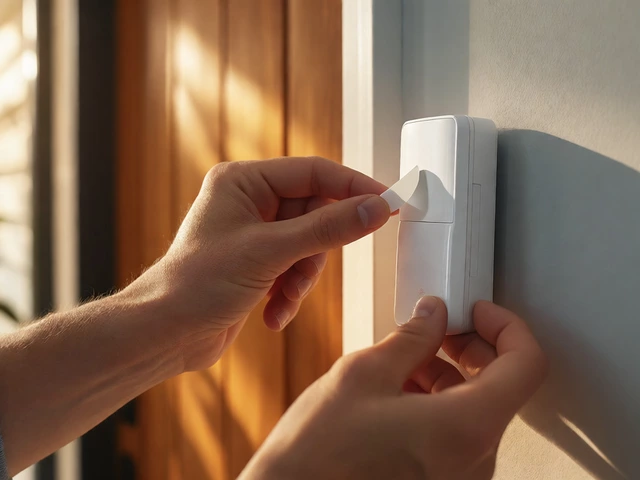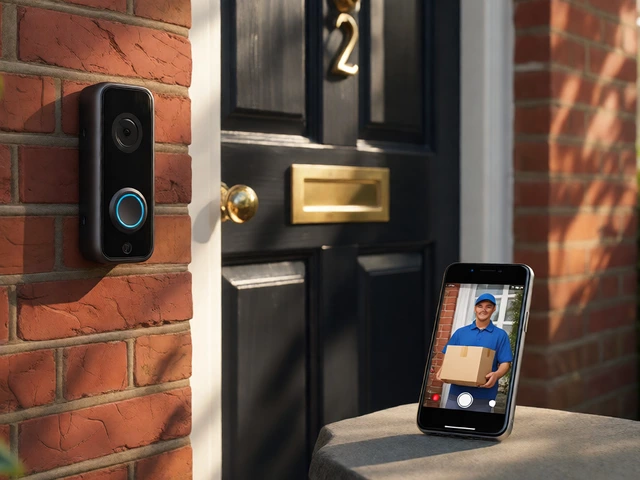
Many homeowners in Sheffield and across the UK wonder: Can I install CCTV outside my house? The short answer is yes - but not without rules. Installing an outdoor camera isn’t just about picking the right model and drilling a hole. It’s about balancing safety, legality, and respect for your neighbors. Skip the guesswork. Here’s what actually matters.
Is It Legal to Put CCTV Outside Your House in the UK?
In the UK, you can install CCTV on your property - but only if it doesn’t capture areas where people have a reasonable expectation of privacy. That means no pointing cameras at your neighbor’s garden, windows, or front door. Under the Data Protection Act 2018 and GDPR, if your camera records any public space - even just a footpath outside your gate - you’re considered a data controller. That means you must:
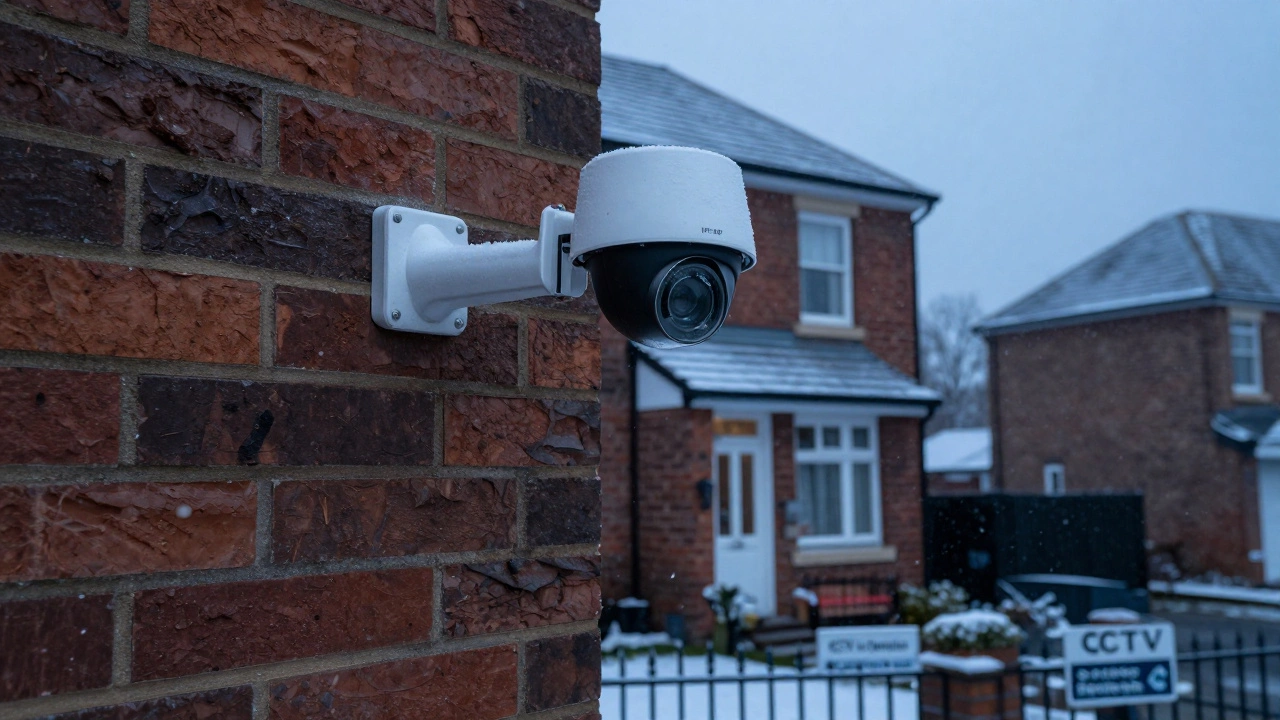
- Display clear signage (e.g., “CCTV in operation”) on your property
- Only record what’s necessary for security
- Store footage securely and delete it after 30 days unless needed for evidence
- Provide footage to someone who appears in it, if they request it
Ignoring these rules can lead to complaints, fines, or even court action. The Information Commissioner’s Office (ICO) received over 1,200 CCTV-related complaints in 2024, mostly from neighbors upset about cameras aimed at their homes. One Sheffield homeowner was ordered to reposition their camera after it captured a neighbor’s back garden - even though the camera was mounted on their own wall.
What Type of CCTV Works Best Outdoors?
Not all cameras are made for the outdoors. Indoor models will fail fast in rain, frost, or heat. Outdoor cameras need three key specs:
- IP65 or higher rating - means dust-tight and protected against water jets. IP67 (submersible for short periods) is better for heavy rain areas like Sheffield.
- Temperature range - must handle -10°C to 45°C. Winter nights in South Yorkshire can dip below freezing.
- Night vision - look for color night vision (0.001 lux sensitivity) instead of grainy black-and-white.
Popular outdoor models in 2025 include:
- Reolink Argus 4 Pro - wireless, solar-ready, 3K resolution, £129
- Eufy SoloCam S4 - battery-powered, AI person detection, £199
- Ring Solar Spotlight Cam - integrates with Alexa, £199
- Hikvision ColorVu - wired, IP67, best low-light performance, £249
Wired systems are more reliable. Wireless ones are easier to install but need battery swaps every 3-6 months unless solar-powered. Solar models like the TP-Link Tapo C320WS extend battery life to over a year - perfect if you get 6+ hours of direct sun.
Where Should You Mount Your Camera?
Placement isn’t just about view - it’s about law and practicality.
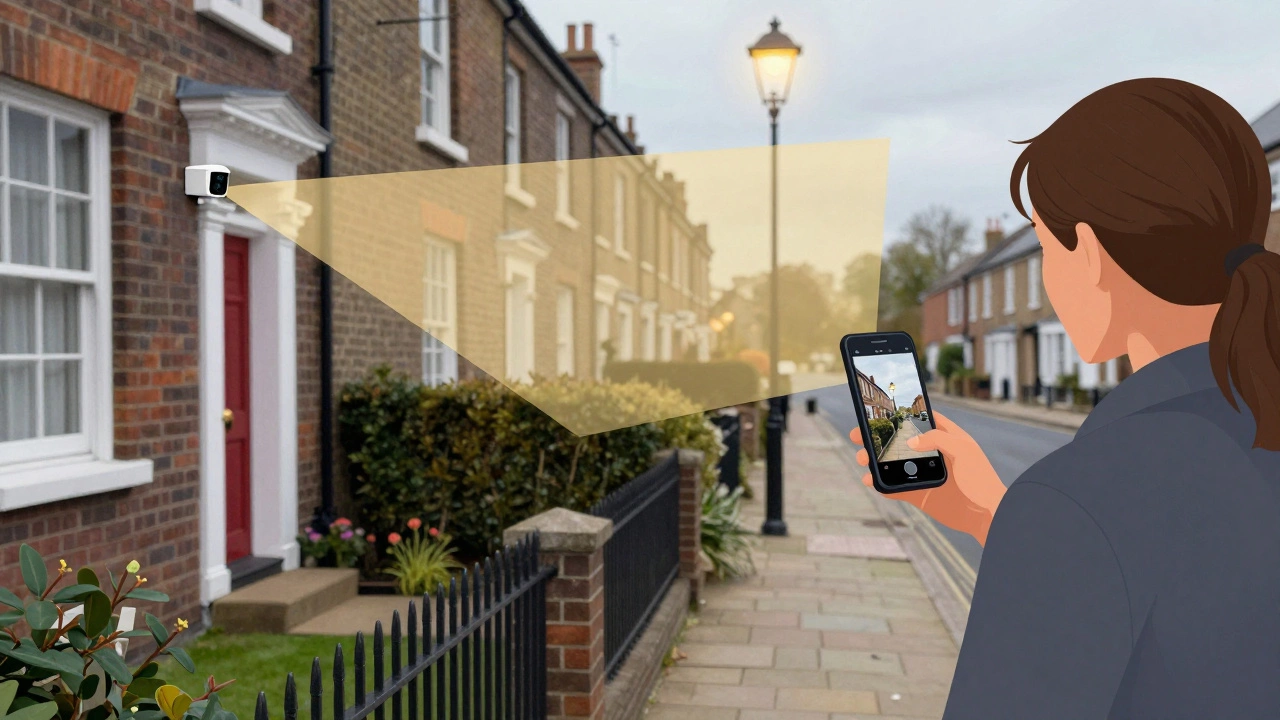
Experts recommend mounting cameras at least 10 feet (3 meters) high to prevent tampering. But here’s the catch: even if you’re on your property, a camera angled too low can accidentally capture your neighbor’s driveway or sidewalk. A 15-degree downward tilt typically covers your front porch and path without touching public space.
Use a simple trick: stand where your camera will sit, hold your phone up at 10 feet, and look through the lens. If you can see your neighbor’s window, you’re aiming too far. Adjust until only your property is visible.
Also avoid mounting on shared walls or fences. Even if you own the wall, if it’s attached to your neighbor’s property, they can legally object. Mount directly on your house’s exterior wall instead.
Wired vs Wireless: Which Should You Choose?
There’s no one-size-fits-all. Here’s how they stack up:
| Feature | Wired Systems | Wireless Systems |
|---|---|---|
| Reliability | 99.9% uptime | 95.7% uptime |
| Installation Difficulty | Hard - needs drilling, cable runs | Easy - DIY in under 2 hours |
| Power Source | 12-24V DC or PoE | Battery or solar |
| Weatherproofing | More secure - cables sealed at entry points | Prone to water ingress if not sealed |
| Legal Risk | Lower - easier to control angle | Higher - wireless antennas can drift |
| Best For | Permanent homes, brick walls | Rentals, HOA restrictions, no wiring |
If you own your home and have brick or stone walls, wired is the smarter long-term choice. If you rent or live in a flat with restrictions, go wireless. Just remember: wireless cameras are more likely to cause accidental privacy breaches because they’re easier to misalign.
What About Audio Recording?
Most outdoor cameras can record sound. But in the UK, recording audio without consent is a grey area. Unlike video, audio is covered by the Regulation of Investigatory Powers Act 2000. While it’s not illegal to record sound on your own property, if your camera picks up conversations between neighbors or passersby, you could be breaking the law.
Most experts advise disabling audio entirely. It’s not worth the risk. Even if you think you’re just recording your own front door, someone walking past might be talking on their phone. That’s enough to trigger a complaint.
Installation Tips: Avoid These Common Mistakes
DIY installation seems simple - until your camera falls off in the wind or floods after a storm. Here’s what goes wrong - and how to fix it:
- Skipping weatherproofing - 29% of camera failures come from unsealed cable entries. Use IP68-rated silicone seals or conduit tubes. Costs £5-£10.
- Using the wrong screws - brick needs masonry anchors. Wood needs toggle bolts. Using drywall anchors on brick? Your camera will drop.
- Ignoring local rules - 62% of UK councils require you to check with your local authority before installing. Sheffield City Council doesn’t ban CCTV, but they do require you to avoid public space recording.
- Overlooking winter performance - lithium batteries lose 37% efficiency at 0°C. If you go wireless, buy extra batteries or go solar.
Essential tools for DIY: stud finder, masonry drill bits, fish tape (for running cables), silicone sealant, and a level. Plan for 3-5 hours of prep and 2-5 hours of install.
Will CCTV Stop Break-Ins?
Yes - but not because of the camera itself. It’s the signal it sends.
A 2024 University of Cincinnati study found households with visible outdoor cameras had a 78% drop in attempted break-ins. Burglars avoid homes with cameras - even if the system is fake. Real cameras add another layer: motion alerts and live viewing let you respond fast.
But false alarms are a problem. Wireless models generate 37% more false alerts than wired ones - often from leaves, animals, or passing cars. Look for AI-powered models that distinguish people from pets or vehicles. Reolink and Eufy’s 2025 models have this built-in.
What’s the Real Cost?
Price isn’t just the camera. Add up:
- Camera - £100-£250
- Storage - microSD card (£15 for 256GB) or cloud (£3-£15/month)
- Installation - DIY: £0. Professional: £150-£300 (if wiring needed)
- Accessories - sealant, drill bits, mounts - £20-£50
Most people spend £150-£300 total for a solid setup. Solar models save money long-term by cutting battery costs. If you’re renting, go for a £100 wireless system - you can take it with you.
What’s Next for Outdoor CCTV?
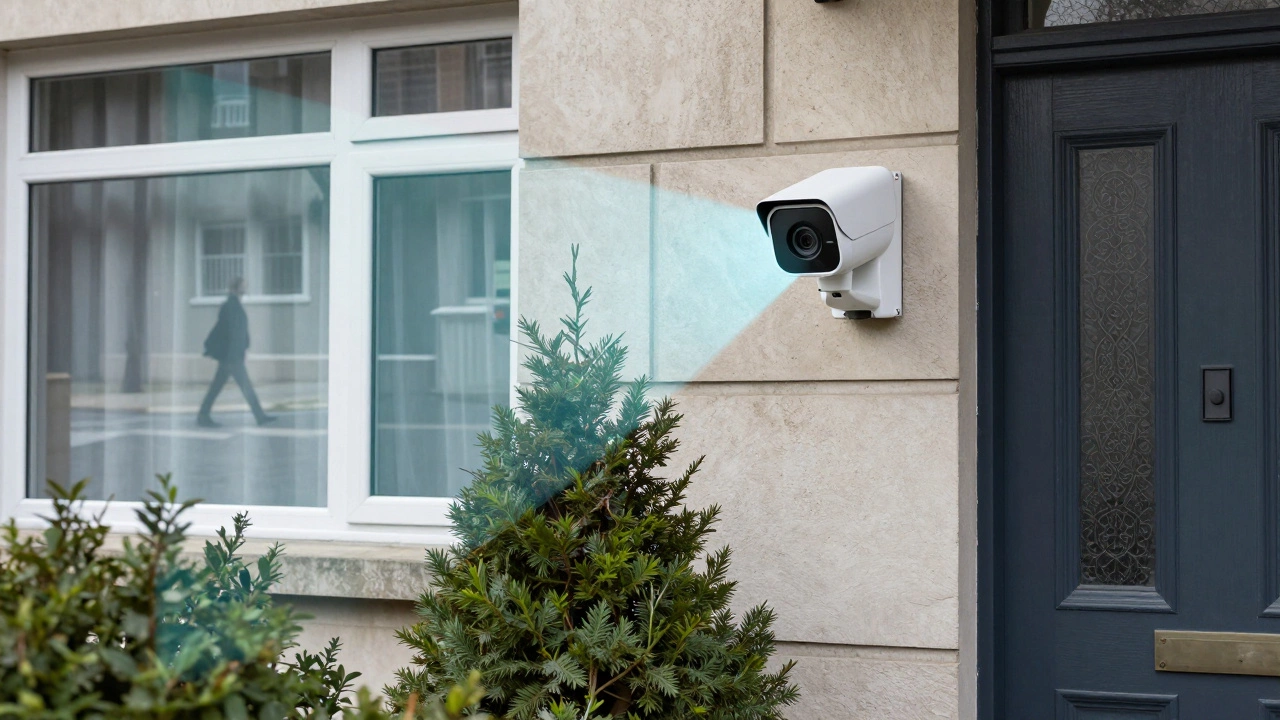
Technology is moving fast. New cameras in 2025 use AI to auto-blur non-property areas - like sidewalks or neighbor’s windows - so you never accidentally record them. Reolink’s 2025 RLC-823A-A model does this using GPS mapping.
Also, new laws are coming. The UK government is reviewing whether all outdoor cameras should be required to have built-in privacy zones by 2027. If you buy a camera now, make sure it supports software updates. You don’t want to buy something that becomes illegal next year.
Final Answer: Yes - But Do It Right
You can install CCTV outside your house. But if you point it at your neighbor’s window, ignore local rules, or skip weatherproofing, you’re asking for trouble. The goal isn’t just to see who’s at your door - it’s to protect your home without invading someone else’s space.
Start by checking your local council’s rules. Pick a camera with IP65+ and color night vision. Mount it high, angle it down, and seal every cable. Disable audio. Test the view from your phone before finalizing. And if you’re unsure? Ask your neighbor. Most people appreciate a heads-up.
A good camera doesn’t just keep you safe. It keeps your community peaceful too.
Can I point my CCTV camera at the pavement outside my house?
No - if your camera captures public footpaths, sidewalks, or streets, you’re legally required to register as a data controller under GDPR. You must display signs, limit recording to necessary areas, and delete footage within 30 days. Even if you’re on your property, if the camera’s view includes public space, you’re subject to data protection laws. The safest approach is to angle your camera so it only covers your driveway, porch, or front door - nothing beyond.
Do I need permission from my council to install CCTV?
In most cases, no - unless you live in a listed building or conservation area. But you must still follow data protection laws. Sheffield City Council doesn’t require a permit, but they do expect homeowners to avoid recording public areas. If your camera captures a neighbor’s property or a public footpath, you could face a complaint to the ICO. Always check your local council’s website for any specific rules.
Can my neighbor install a camera pointing at my garden?
No - if a neighbor’s camera captures your garden, backyard, or windows, it’s a breach of privacy under the Data Protection Act 2018. You can ask them to reposition it. If they refuse, you can file a complaint with the Information Commissioner’s Office (ICO). The ICO has handled over 1,200 such complaints in 2024, and most are resolved by adjusting the camera angle. You don’t need a lawyer - just a polite letter with photos of the camera’s view.
Do outdoor CCTV cameras need Wi-Fi?
Not always. Wireless cameras need Wi-Fi for live viewing and alerts, but they can still record locally to a microSD card without it. Wired cameras connect to a DVR or NVR via Ethernet, so they don’t rely on Wi-Fi at all. If your home has poor Wi-Fi, go wired. If you want remote access and alerts, choose a wireless model with strong signal range - and test the signal strength at your planned mounting spot before buying.
How long do outdoor CCTV batteries last?
Battery life depends on usage. In mild weather, most wireless outdoor cameras last 3-6 months on a single charge. Cold weather cuts that by up to 37% - so in Sheffield winters, expect 2-4 months. Solar-powered models like the Ring Stick Up Cam Solar or TP-Link Tapo C320WS can extend life to 12+ months if they get 6+ hours of direct sunlight daily. If your home is shaded by trees, solar may not work. Always keep spare batteries on hand.
What’s the best outdoor CCTV for renters?
For renters, go wireless, battery-powered, and non-permanent. Models like the Eufy SoloCam S4 or Google Nest Cam (Battery) mount with adhesive strips or magnetic bases - no drilling needed. They’re easy to remove when you move. Avoid wired systems unless your landlord approves. Also, check your tenancy agreement - some prohibit any external modifications. A £150 wireless camera with AI detection gives you security without breaking your lease.