False Alarm Prevention: Stop Unnecessary Alerts and Keep Your Security System Reliable
When your false alarm prevention, the practice of reducing or eliminating non-emergency alerts from security systems. It's not about turning off your alarm—it's about making sure it only goes off when there's a real threat. matters more than you think. A single false alarm might seem harmless, but repeated ones train neighbors to ignore them—and worse, emergency services may start treating your alerts as noise. In the UK, police often reduce response times to homes with frequent false alarms. That’s why fixing the root causes isn’t optional—it’s critical.
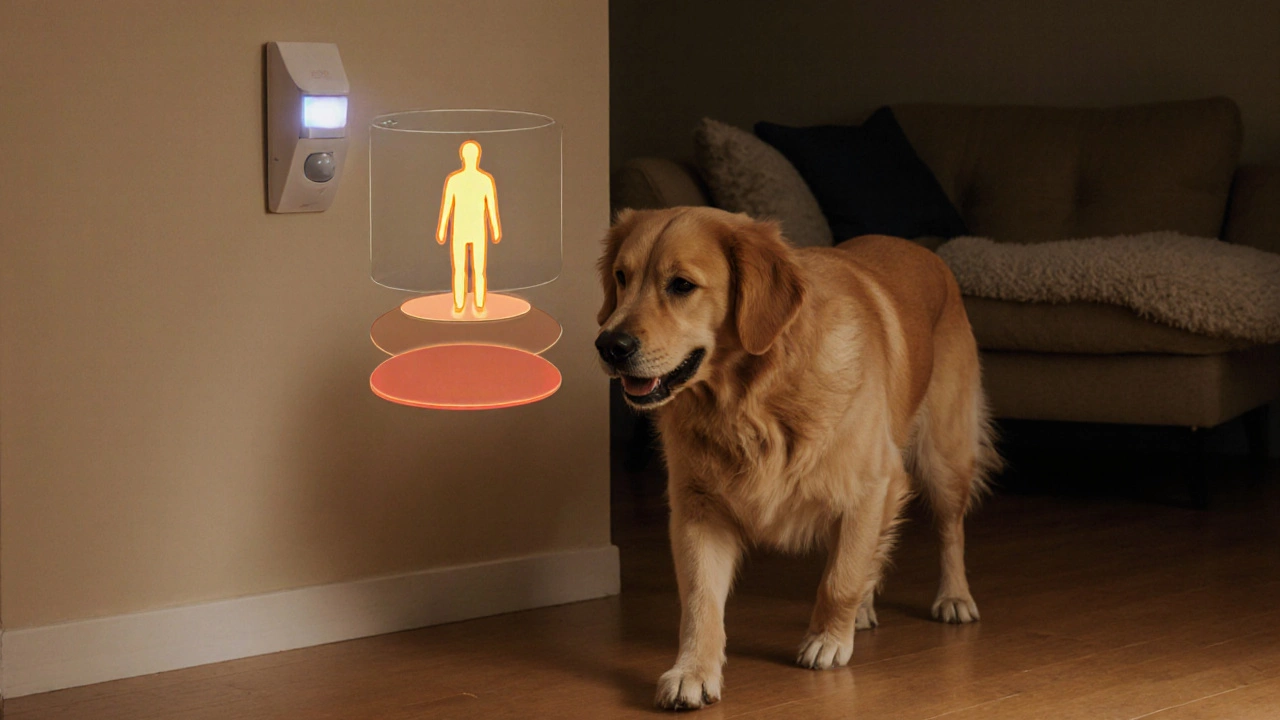
Most false alarms come from simple mistakes: pets triggering motion sensors, drafts moving curtains near infrared detectors, or cameras picking up flickering lights. A burglar alarm system, a network of sensors, control panels, and alerts designed to detect unauthorized entry won’t work if it’s always crying wolf. The fix isn’t always buying a pricier system—it’s tuning what you already have. Motion sensors can be repositioned or adjusted for pet immunity. Door contacts need regular checks for misalignment. Even something as small as a spiderweb near a sensor can trigger false alerts. And if you’re using a monitored alarm system, a security setup connected to a professional response center that verifies alerts before dispatching help, false alarms can lead to fines or service suspension.
Modern systems help, but they’re not magic. A security camera system, a set of video devices used to monitor and record activity for security purposes with smart motion detection can filter out cars passing by or trees swaying in the wind. Thermal cameras reduce false triggers from heat sources like radiators or sunlight. And pairing cameras with alarms lets you verify what’s happening before the siren blares. You don’t need every fancy feature—but you do need to understand how each component behaves in your environment.
False alarms aren’t just a tech problem—they’re a habit problem. People forget to arm systems properly, leave windows open, or don’t update access codes when cleaning crews or guests come over. Training everyone who uses the system is just as important as installing it right. Simple habits like double-checking doors before arming, keeping pets out of sensor zones, and cleaning lenses monthly cut down 70% of avoidable alerts.
What you’ll find below are real-world fixes from people who’ve been there. From how to stop your outdoor camera from triggering every time a car drives by, to why your wireless alarm keeps going off during storms, to which alarm types actually reduce false triggers—the posts here give you no-nonsense solutions. No theory. No fluff. Just what works.
30
Nov
Learn how to tell if your alarm system truly ignores pets without triggering false alarms. Discover which brands work best for dogs and cats, how to test your setup, and what features actually matter for pet safety.