Shadow Formation: How Light, Objects, and Security Tech Interact
When you hear shadow formation, the process where an opaque object blocks light, creating a dark region on a surface. Also called shadow casting, it’s a basic physics principle that drives everything from photography to CCTV performance. At its core, a shadow is defined by three key elements: a light source, an object, and a surface that receives the blocked light. Understanding these pieces helps you see why a hidden corner can become a blind spot for a camera, or why a thief might exploit darkness. Below you’ll find practical ways this concept blends with modern surveillance tech.
Why Understanding Shadows Matters for Modern Surveillance
One of the biggest challenges for Infrared Imaging, a technique that uses invisible IR light to illuminate scenes is dealing with shadows that absorb or scatter IR wavelengths. When a shadow falls, infrared sensors receive less reflected IR, potentially creating dark patches in the video feed. Thermal Imaging, the method of detecting temperature differences rather than visible light handles shadows differently: it captures the heat signatures of objects, so a shadow may actually appear brighter if the underlying surface stays warm. This contrast is why many security experts combine infrared and thermal cameras—each fills the gaps of the other. For example, a night‑time parking lot might use infrared floodlights to cut through standard shadows, while a thermal camera spots a hidden intruder’s body heat despite the lack of visible light. Both technologies rely on knowing how shadows affect the light (or heat) that reaches the sensor, which is why proper placement of lights and sensors is critical.
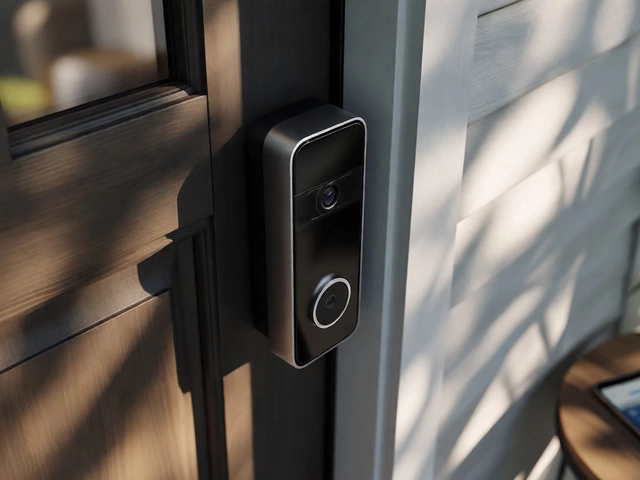
Even the most advanced Security Cameras, devices that capture video for monitoring homes or businesses need to account for shadow formation when planning a surveillance layout. A camera positioned too close to a bright window may see the interior washed out, while its opposite side becomes a deep shadow zone where movement is hard to detect. Adjustable lenses, wide‑dynamic‑range (WDR) processors, and strategically placed supplemental lighting can reduce these issues. When shadows are inevitable—such as in alleyways or under overhangs—using infrared LEDs or thermal lenses can keep the image clear. Moreover, modern AI‑powered analytics can be trained to recognize objects despite shadow distortion, but they still perform best when the scene’s lighting is balanced. Knowing the interplay between shadows, lighting, and sensor type helps you choose the right mix of hardware and placement, turning a potential blind spot into a reliable detection zone.
In short, shadow formation isn’t just a physics lesson; it’s a practical factor that shapes how night vision, infrared, and thermal imaging work in real‑world security setups. Whether you’re installing a DIY camera kit or upgrading a commercial surveillance system, paying attention to where shadows will fall—and how each technology reacts to them—saves time, money, and headaches later. Below you’ll discover a range of articles that dive deeper into offline cameras, night‑vision alternatives, data usage, and real‑world tips for getting the most out of your security gear. Each piece builds on the core ideas of light, shadow, and sensor response, giving you a toolbox of knowledge to design a robust, shadow‑aware monitoring solution.