
Are Wireless CCTV Cameras Any Good? Real-World Performance, Pros, and Cons
Wireless CCTV cameras offer convenience for renters and temporary setups but struggle with reliability, power, and signal issues. Learn where they work-and where they fail.
When you hear wireless security camera system, a surveillance setup that transmits video without physical cables, often powered by batteries or solar panels. Also known as wireless CCTV, it gives you flexibility in placement and quick installation—no electrician needed. But here’s the truth: calling it "wireless" doesn’t mean it’s free of strings. Most still need Wi-Fi to send video to your phone, and batteries don’t last forever. If you’re thinking about one for your home, you’re not just buying a camera—you’re choosing a system that works with your lifestyle, your internet, and your weather.
Let’s break down what actually affects performance. First, battery-powered camera, a type of wireless camera that runs on rechargeable or replaceable batteries, ideal for spots without power outlets. Brands like Arlo and Ring promise months of life, but real-world use? Cold nights, motion alerts, and HD video drain them fast. One homeowner in Birmingham got just 6 weeks from her camera during winter—until she moved it away from the front door and cut motion sensitivity. Then it lasted 8 months.
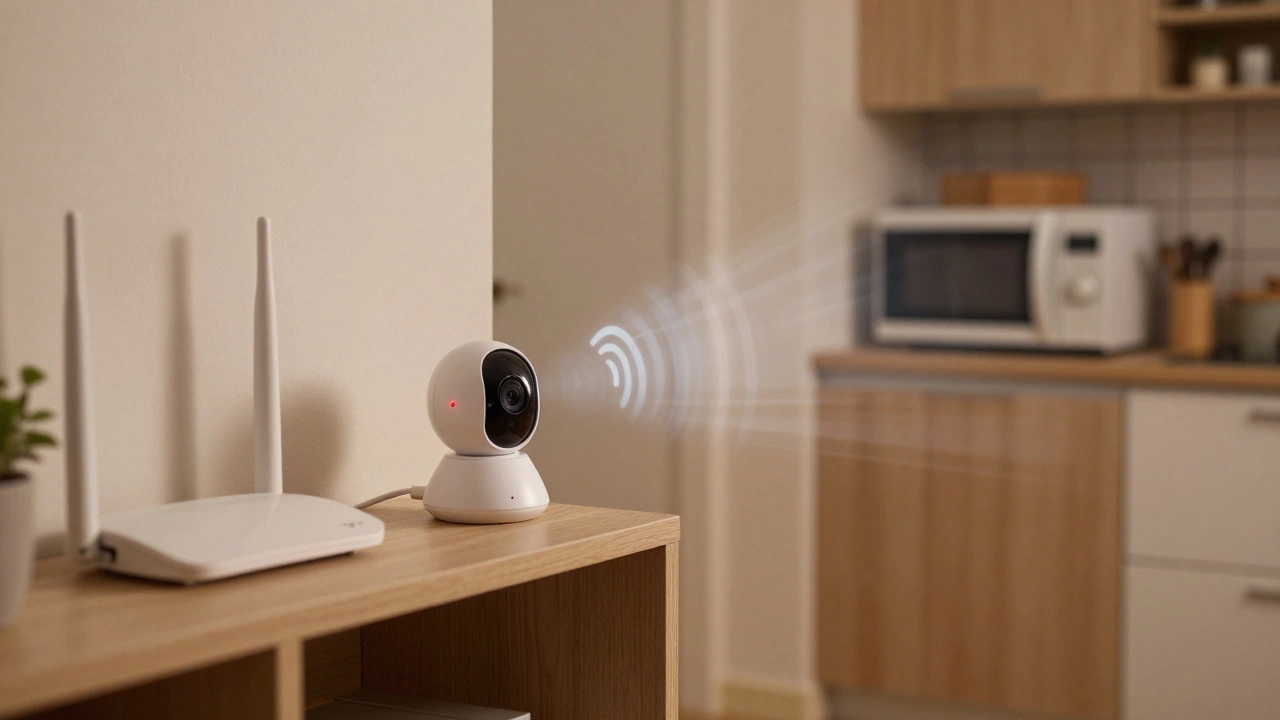
Then there’s Wi-Fi camera, a camera that connects to your home network to stream video and send alerts. It sounds simple, but if your router is in the basement and your camera’s on the back porch, you’ll get dropouts. Some systems use cellular backup or local storage to work when Wi-Fi fails—like SimpliSafe’s offline mode. And don’t forget: more resolution means more data. A 1080p camera can eat 100GB a month if it’s recording constantly. Motion detection cuts that down, but not always reliably.
You’ll also find these systems paired with outdoor security camera, a rugged, weatherproof model built to handle rain, snow, and extreme heat. Not all wireless cameras are made for outside. Look for IP65 or higher ratings. A camera that works fine indoors might fry in a summer downpour. And placement matters—mount it too low, and you’ll just get feet. Too high, and faces blur. The sweet spot? Around 8 to 10 feet, angled slightly down.
And here’s what no one tells you: a wireless security camera system doesn’t stop break-ins by itself. It’s part of a bigger picture. Alarms, visible signage, and real-time monitoring do the heavy lifting. A camera without alerts or professional monitoring? It’s just a recorder. But if it’s connected to a system that notifies you and the authorities the second something happens? That’s when it becomes a real deterrent.
What you’ll find below are real tests, real stories, and real fixes from people who’ve been there. How long do batteries *really* last? Can you use a wireless camera without Wi-Fi? Which models work best in the UK’s damp weather? We’ve pulled together every practical detail—from solar charging tricks to avoiding neighbor complaints—so you don’t waste time or money on something that won’t actually work for your home.
Wireless CCTV cameras offer convenience for renters and temporary setups but struggle with reliability, power, and signal issues. Learn where they work-and where they fail.