
Are Wireless CCTV Cameras Any Good? Real-World Performance, Pros, and Cons
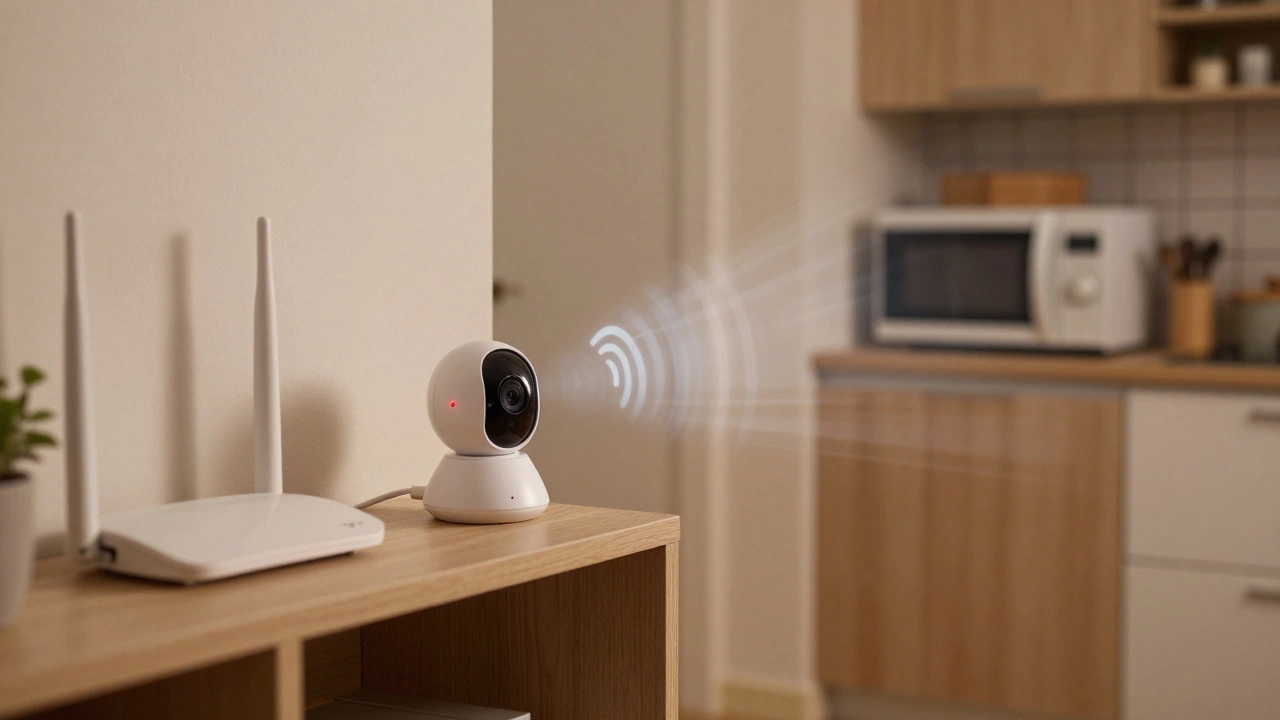
Wireless CCTV cameras offer convenience for renters and temporary setups but struggle with reliability, power, and signal issues. Learn where they work-and where they fail.
When you’re setting up a wireless CCTV, a surveillance system that transmits video without physical cables, often using Wi-Fi or cellular networks. Also known as wireless security cameras, it offers quick setup and flexible placement—you’re not just choosing a camera, you’re choosing how your home or business stays protected. The other side of the coin is wired CCTV, a system where cameras connect directly to a recorder via cables, delivering stable, high-quality video without relying on internet signals. Also known as analog or PoE surveillance systems, it’s the go-to for users who need reliability over convenience. These two setups aren’t just different in how they’re installed—they’re different in how they perform under pressure.
Wireless CCTV is great if you rent, hate drilling holes, or want to move cameras around easily. But it’s not magic. Battery life, Wi-Fi dropouts, and signal interference can leave you blind when you need it most. Posts like How Long Do Batteries Last in Wireless Security Cameras? show real-world battery life ranges from weeks to over 10 months—depending on weather, motion detection settings, and camera model. And if your internet goes down? You might lose everything, unless your system has cellular backup like SimpliSafe. Meanwhile, wired CCTV doesn’t care about Wi-Fi passwords or router updates. It runs on steady power and direct connections, which is why it’s still the standard in businesses and high-risk homes. But it’s not cheap to install. You need professional wiring, conduit, and time. And if you move a camera later? You’re rewiring again.
Then there’s the hidden stuff: data usage, legal placement, and weatherproofing. A wireless camera using 4K resolution can eat up 100GB a month—something you’ll find out the hard way if you’re on a capped plan. And while wireless cameras are easier to stick on a fence or porch, wired ones often handle rain and cold better because they’re built into permanent structures. You can’t ignore CCTV legal rules UK, the privacy laws that dictate where you can point cameras, especially if they capture public areas or neighbors’ property. Both systems must follow these rules. And if you’re worried about power outages, you’ll need a UPS for wired systems—or solar panels for wireless ones.
So which should you pick? If you want simplicity, portability, and don’t mind checking battery levels every few months, wireless works. If you want total reliability, 24/7 recording, and zero surprises during a break-in, wired wins. Most people don’t realize you can mix both: use wired for front and back doors, wireless for the garden or garage. The posts below cover exactly that—real setups, real costs, real mistakes people make. You’ll find out how to avoid common traps, what cameras actually last, and how to make your system work even when the Wi-Fi fails. No fluff. Just what you need to decide once and for all.
Wireless CCTV cameras offer convenience for renters and temporary setups but struggle with reliability, power, and signal issues. Learn where they work-and where they fail.