Burglar Deterrence Risk Calculator
Burglars will likely consider this an easy target.
You might think a heavy steel door or a high-tech keypad is what keeps thieves away. But if you actually talk to ex-burglars, they’ll tell you something different. They don’t fear the lock; they fear being seen. In fact, research shows that the biggest factor in a thief’s decision-making process isn't the value of your TV, but the likelihood of getting caught within seconds. Burglar psychology is driven by risk assessment, not greed. If a property looks like it will trigger immediate attention from neighbors or police, most offenders will skip it and move on to an easier target. This shift in perspective changes how we approach home security. Instead of just buying the most expensive gadget, you need to create an environment that feels unpredictable and highly visible. Let's break down exactly what scares burglars the most, based on decades of criminological studies and industry data up to 2026.
The Core Fear: Detection and Confrontation
Before we look at specific devices, you have to understand the root cause. Every interview with convicted burglars points to one primary fear: losing control over time and anonymity. A burglar wants a quiet, controlled entry where they can grab valuables and leave before anyone notices. Anything that disrupts this timeline is a dealbreaker.
In a major study involving 422 convicted burglars, researchers found that offenders weigh the risk of immediate detection more heavily than the potential reward. If a neighbor is watching, or if a resident might walk into the room while the thief is inside, the risk-reward calculation flips. This is why occupancy signals are so powerful. A car in the driveway, lights left on, or a television audible from outside tells a thief, "Someone is here." It introduces uncertainty, and uncertainty is terrifying for someone trying to avoid arrest.
Dogs: The Unpredictable Noise Factor
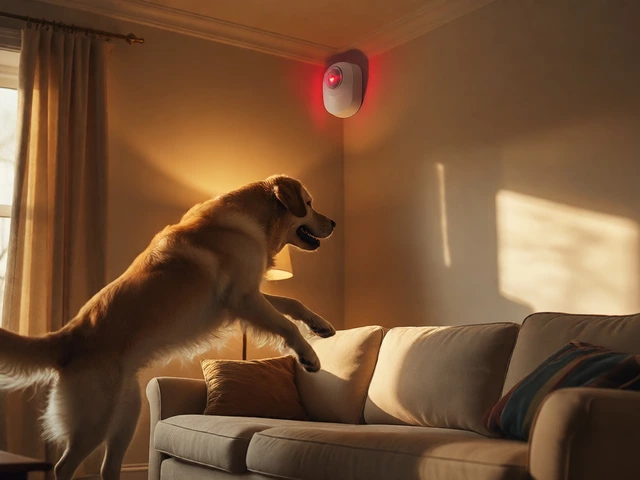
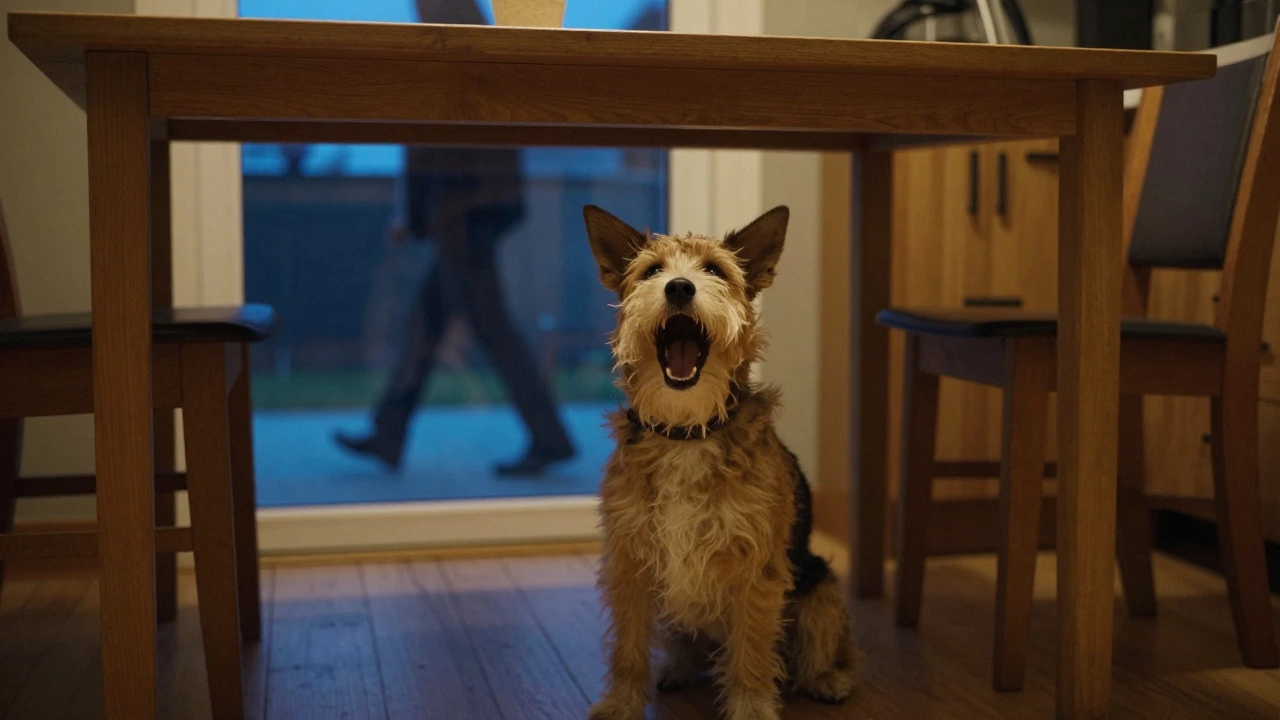
Surprisingly, dogs often rank higher than cameras in deterrence lists. But it’s not because burglars are afraid of being bitten (though that helps). They are afraid of the noise. A barking dog breaks the silence required for a stealthy entry. More importantly, barking attracts attention. It wakes up neighbors, prompts residents to check their phones, and draws eyes to the property.
Data from recent security surveys indicates that about 34% of burglars explicitly avoid homes with known dogs. Interestingly, some ex-offenders report fearing small, yappy breeds more than large guard dogs. Why? Because small dogs are often kept indoors or near entryways, meaning they are more likely to react immediately to a forced entry. A large dog locked in the back garden might not even hear you, but a terrier under the kitchen table will alert the house in seconds.
Alarm Systems and Professional Monitoring
This is where wireless alarm systems come into play. A standard DIY alarm that just beeps loudly inside the house is less effective than a professionally monitored system. Why? Because a local siren only warns people already in the area. A monitored system sends an alert to a central station that can contact the police directly, shrinking the response window from minutes to potentially seconds.
Studies show that 83% of burglars actively check for security systems before attempting entry. If they see credible signage or know a professional service is involved, 60% will abandon the target. The key word here is "credible." Experienced thieves can spot fake signs or generic stickers. To maximize fear, your signage should match the actual technology installed. If you have a high-end wireless system, make sure the yard sign reflects that brand authority.
Cameras and Video Doorbells: The Evidence Threat
Visible cameras create a second layer of fear: prosecution. Even if a burglar escapes the scene, being captured on video makes them identifiable. This turns a low-risk theft into a high-risk felony case. In the same 422-burglar study, 50% cited cameras as a strong deterrent that would make them choose another target.
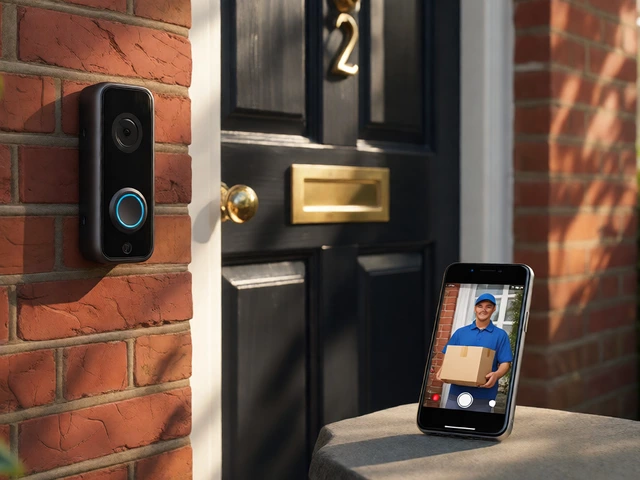
Video doorbells add another twist: two-way audio. You can literally talk to the intruder through the camera. Police studies suggest that video doorbells can reduce attempted burglaries by around 50% in monitored neighborhoods. For a thief, hearing a voice say "Who's there?" through a speaker is far more intimidating than just seeing a lens. It confirms that someone is actively watching, not just recording passively.
Lighting and Visibility: Removing the Cover of Darkness
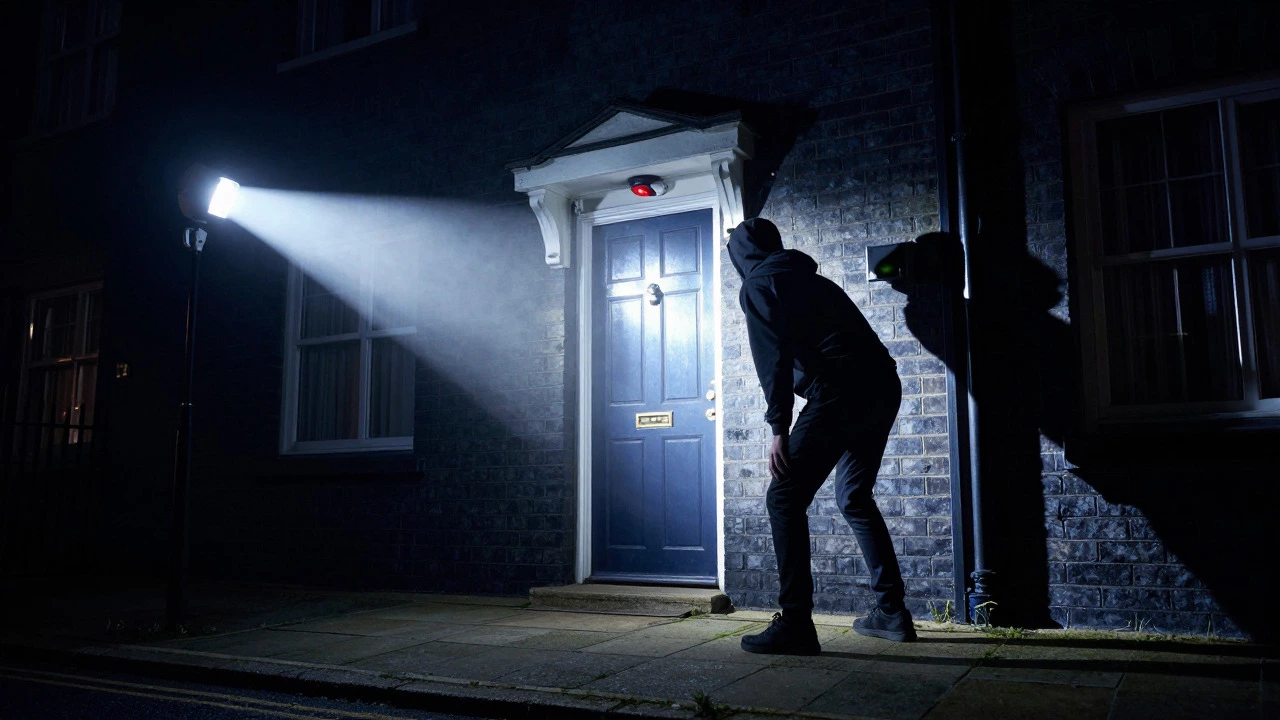
Burglars rely on concealment. Overgrown hedges, dark side entrances, and lack of street lighting provide cover. Motion-activated floodlights destroy this advantage. When a light snaps on suddenly, it exposes the offender to any passing car or neighbor. It also creates a psychological startle effect, breaking their focus.
Experts recommend using LED floodlights with high lumen output (3,000+ lumens) at every entry point. The goal isn't just to light up your house; it's to ensure that no part of your perimeter is hidden from public view. Trimmed landscaping and clear sightlines to the front door signal that the homeowner is vigilant and that there is nowhere to hide.
The Power of Community and Occupancy Cues
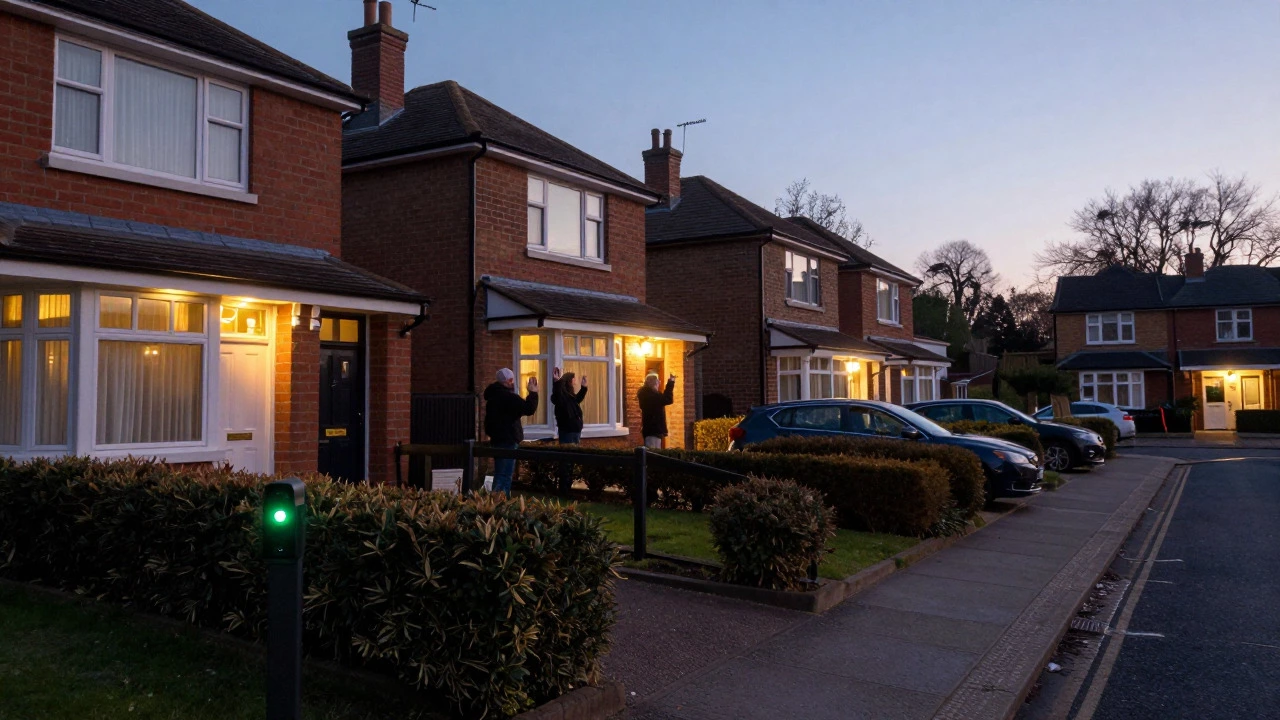
Technology fails if the social context is ignored. Burglars fear socially attentive environments. Neighbors who wave, make eye contact, or simply appear engaged in their own properties act as human sensors. If a neighborhood feels lively and connected, the probability of being noticed increases dramatically.
You can amplify this by simulating occupancy when you’re away. Use smart bulbs to turn lights on and off on timers. Leave a radio playing softly. Park a car in the driveway if possible. These small cues tell a prospective thief that the routine hasn't changed, reducing the chance they’ll pick your home for a quick job.
| Deterrent | Primary Fear Triggered | Effectiveness Level | Key Insight |
|---|---|---|---|
| Noisy Dogs | Loss of Silence/Attention | High | Small, vocal breeds are often more feared than large silent ones. |
| Monitored Alarms | Rapid Police Response | Very High | Credible signage reduces attempts by ~25%; monitoring shrinks response time. |
| Visible Cameras | Identification/Prosecution | High | 50% of burglars avoid targets with visible CCTV; blind spots matter. |
| Motion Lighting | Exposure/Lack of Concealment | Medium-High | Sudden illumination alerts neighbors and passersby instantly. |
| Occupancy Signals | Confrontation Risk | Variable | Cars in driveways and active routines make homes seem occupied. |
Building a Layered Defense Strategy
No single device is enough. The most effective strategy is a multi-layered approach that combines these elements. Start with visibility: trim bushes and install motion lights. Add credibility: install a real alarm system with proper signage. Introduce unpredictability: use a dog or a video doorbell with audio. Finally, maintain the illusion of life with smart lighting and community engagement.
When you stack these layers, you create a property that feels high-risk and high-effort. Burglars are opportunists; they want easy wins. By making your home difficult to enter quietly and dangerous to stay in, you push them toward easier targets elsewhere. It’s not about trapping them; it’s about making them look away.
Do fake cameras actually work?
They work against casual thieves, but experienced burglars can often distinguish fakes from real units. While a fake camera is better than nothing, it doesn't trigger the same level of fear as a verified, branded system with professional monitoring signage.
Is a big dog better than a small one for deterrence?
Not necessarily. Many burglars report fearing small, noisy dogs more because they are likely to be near entry points and bark immediately. Large dogs may be too quiet or confined to areas the burglar avoids initially.