ADT Equipment Ownership Checker
Not sure who owns the panel on your wall? Answer a few questions about your setup to determine your ownership status and what happens when you cancel.
Select your options above to see your results.
You just got the bill for your monthly monitoring, or maybe you are thinking about switching providers. The first question that hits you is usually not "How do I cancel?" but "Wait, who actually owns this box on my wall?" It is a surprisingly common confusion because ADT uses multiple different business models depending on when you signed up and which product line you chose. There is no single answer that applies to every customer. For some, the hardware is theirs the moment they pay the installation fee. For others, it belongs to ADT until the very last day of their contract, and sometimes even after.
If you assume you own your gear because you have been paying for three years, you might be in for a nasty surprise when you try to move out or switch to a cheaper service. This guide breaks down exactly how to determine your status, what happens if you don't return equipment, and why your specific contract page one matters more than anything you read on Reddit.
The Short Answer: Check Your Contract Page One
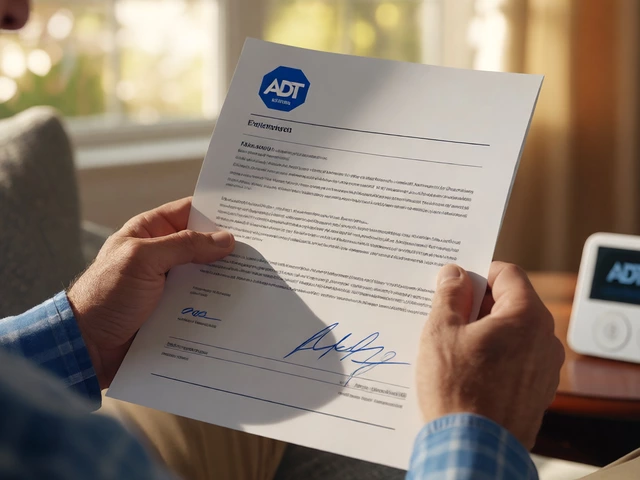
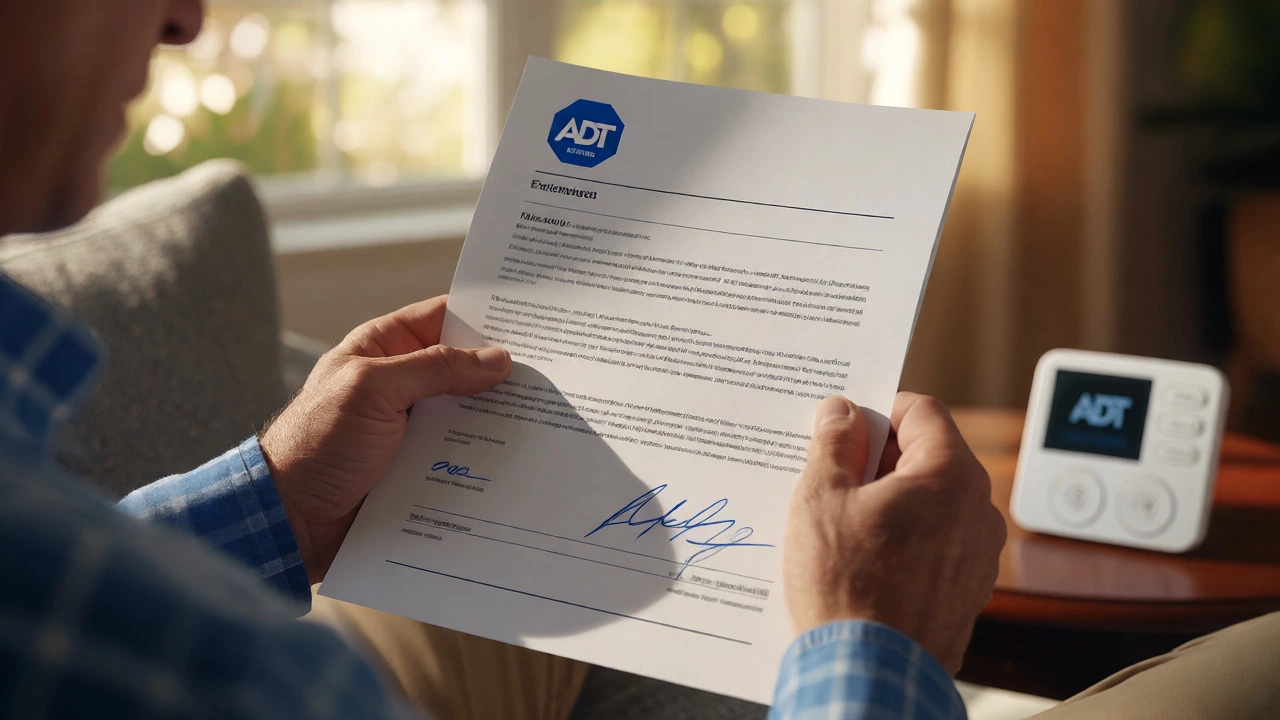
Stop guessing. The most reliable way to know if you own your ADT system is to look at the first page of your signed contract. ADT explicitly marks the ownership status there. If you see the phrase "Customer-Owned", congratulations, the equipment is yours once you have paid the total installation charge listed on page two. If that phrase is missing, or if the contract says "ADT-Owned" or remains silent on title transfer, ADT likely retains ownership.
This distinction is critical. Many customers conflate "paying for the service" with "buying the hardware." You can pay ADT $60 a month for ten years and still never own the panel. Conversely, under newer Self Setup agreements, you typically purchase the equipment outright, meaning it is yours from day one unless you opted for a financing plan that hasn't been fully settled.
| Product Type | Default Ownership Status | Key Condition for Customer Ownership |
|---|---|---|
| ADT Self Setup | Customer-Owned | Purchase price paid; financing completed if applicable. |
| Professionally Installed (Newer Contracts) | Varies | Contract must explicitly state "Customer-Owned" on page one. |
| Legacy Professional Systems | ADT-Owned | Equipment is leased; must be returned upon cancellation. |
| Blue by ADT | Customer-Owned | Purchased outright; no lease agreement involved. |
Why "Paying Off" Doesn't Always Mean You Own It
Here is where things get tricky. Even if you have finished your 36-month contract term, you do not automatically gain title to the equipment. In many professionally installed scenarios, ADT retains a security interest in the devices until the full balance is paid. But here is the catch: paying off the balance doesn't always trigger a title transfer if the original contract was structured as a long-term lease rather than a retail installment sale.
Think of it like renting an apartment. Just because you have lived there for five years and paid all your rent doesn't mean you now own the building. Similarly, completing your monitoring term ends your obligation to pay for the service, but it does not necessarily gift you the hardware. If your contract designates the equipment as ADT-owned, you are essentially a lessee. When the lease ends, you have to give the stuff back.
However, if you have a retail installment agreement, the situation changes. These are separate documents often attached to your main service contract. If you signed one, you are buying the equipment over time. Once you make the final payment, the lien is released, and the title transfers to you. You need to find this specific document to be sure. Without it, you are likely in a lease arrangement.
The Rise of Self Setup and Blue by ADT
Not all ADT products are created equal. The traditional model-where a technician comes to your house, drills holes, and installs a bulky panel-is increasingly being replaced by DIY options. With ADT Self Setup and Blue by ADT, the ownership model is much clearer: you buy the kit.
Under current Self Setup terms updated in October 2026, the equipment is considered customer property upon purchase. This makes sense because you are ordering it online, similar to buying a smart lock from Amazon. However, ADT offers financing for these kits, sometimes stretching up to 36 months. If you take that loan, ADT holds a security interest until you pay it off. But unlike the old professional leases, once you pay it off, it is definitively yours. There is no ambiguity about returning it later because you bought it.
Blue by ADT, which operates independently but shares the brand name, follows a strict retail model. You purchase the hardware outright. There is no lease, no hidden ownership clause, and no requirement to return the sensors if you cancel monitoring. This clarity is one of the biggest selling points for these newer lines, appealing to homeowners who hate the idea of renting their security system.
What Happens When You Cancel?
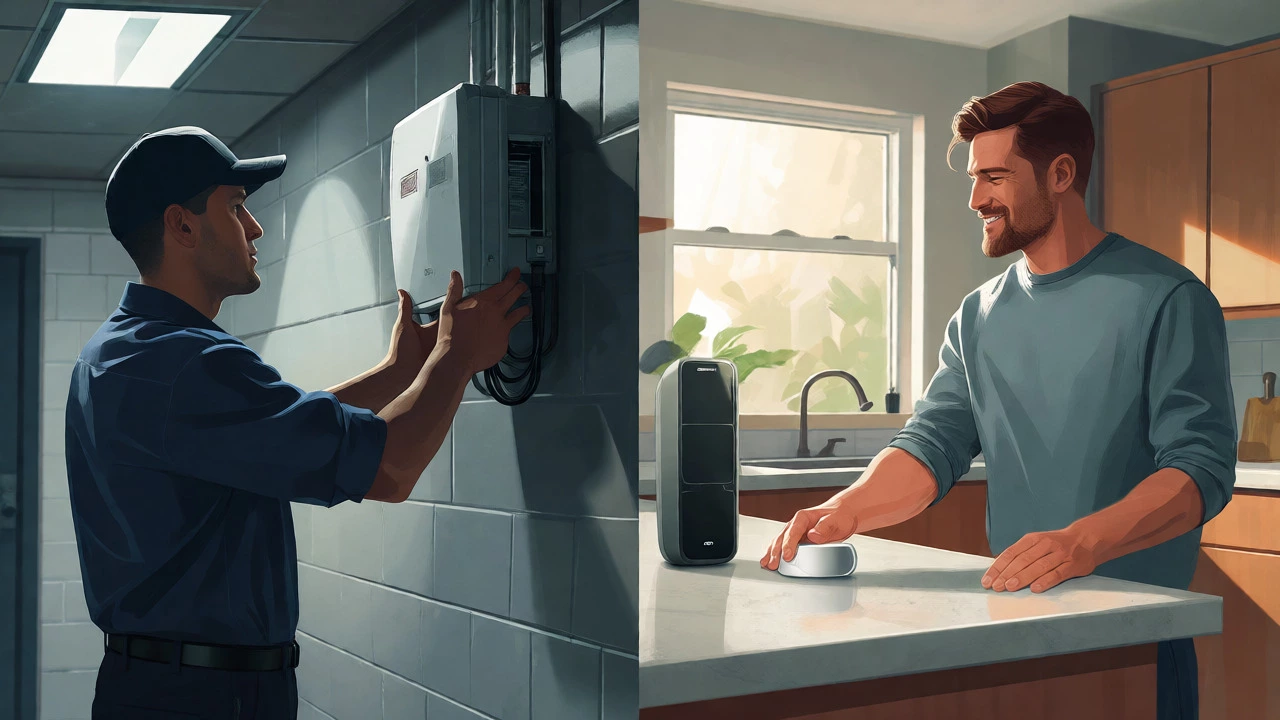
So, you decided to leave ADT. What now? The consequences depend entirely on who owns the gear.
- If ADT owns it: You must return the equipment. ADT will typically send you a Return Material Authorization (RMA) label. You have a limited window-usually 21 days-to ship the devices back. If you fail to return them, or if you return them damaged, ADT will charge you replacement costs. These fees can be surprisingly high, sometimes exceeding the value of the used equipment itself.
- If you own it: You keep the hardware. You can sell it, donate it, or use it as a paperweight. However, keeping it doesn't mean it will work elsewhere. ADT systems are notoriously locked to their network. The cellular communicator inside the panel is programmed specifically for ADT's servers. Without a new license or a compatible hub, that expensive panel might be useless with SimpliSafe or Ring.
A common pitfall is assuming you can just rip the panel off the wall and walk away. If the equipment is ADT-owned, leaving it behind counts as failure to return. They will bill you. If you own it, you can leave it, but consider whether you want to remove it before selling your home. Leaving an obsolete, non-functional alarm system can confuse potential buyers, so it is often cleaner to uninstall it yourself.
Can You Reuse ADT Equipment with Another Provider?
This is the million-dollar question for people trying to save money by keeping their existing sensors. The short answer is: it depends, and usually, it is complicated.
Most modern ADT panels communicate via encrypted digital signals that are tied to ADT’s proprietary protocols. While the physical sensors (door/window contacts, motion detectors) might look generic, their firmware is often customized. Some third-party installers claim they can reprogram older ADT sensors to work with platforms like Alarm.com or local hubs like Home Assistant. However, this is not guaranteed.
Newer ADT cameras and doorbells are even harder to reuse. They often require specific cloud subscriptions that only ADT controls. If you cancel ADT, those cameras may stop streaming entirely. Before you commit to a new provider, ask them specifically: "Will my existing ADT doorbell sensor work with your hub?" Do not rely on anecdotal evidence from internet forums. Get a written compatibility assessment.
International Differences: Canada vs. United States
If you live outside the US, specifically in Canada, the rules shift slightly. In Canada, ADT operates through partnerships with companies like TELUS. Their contracts generally adhere to a stricter lease model. Canadian terms often state explicitly that equipment remains ADT-owned and must be returned in good condition upon cancellation. Failure to return results in replacement charges.
Do not assume US policies apply north of the border. A US customer might have a "Customer-Owned" designation, while their neighbor across the border has a mandatory return clause. Always check the specific regional terms governing your account.
Step-by-Step Verification Checklist
Before you call ADT to cancel, do your homework. Here is how to verify your status without getting stuck on hold for an hour:
- Locate your contract: Log into your ADT account online or dig out your paper copy. Go to page one.
- Search for keywords: Look for "Customer-Owned," "Title," "Lease," or "Security Interest." If you see "Customer-Owned," breathe easy. If you see nothing, assume ADT owns it.
- Check for financing docs: Did you sign a separate retail installment agreement? If yes, confirm if the balance is zero.
- Contact support for confirmation: Ask specifically: "Is the equipment on my account owned by me or by ADT? Is there any outstanding balance on the hardware?" Get the agent's name and reference number.
- Request return instructions early: If you must return equipment, ask for the RMA label immediately. Do not wait until the last day of your contract.
Frequently Asked Questions
If I finish my 3-year contract, do I automatically own the equipment?
No, not automatically. Finishing the monitoring term means you no longer owe monthly service fees. However, ownership depends on the initial contract structure. If the contract designated the equipment as ADT-owned (leased), you must return it. If it was a retail installment plan and you paid it off, you own it. Always check the contract text.
What happens if I throw away ADT-owned equipment instead of returning it?
ADT will charge you for the replacement cost of the unreturned items. These charges are often based on the list price of new units, not the depreciated value of your old ones. This can result in a significant bill, potentially hundreds of dollars for a full system.
Can I use my ADT sensors with a different security company?
It is possible but difficult. Older analog sensors might be reusable with certain universal panels. Digital wireless sensors are often encrypted and paired specifically to ADT's hub. You would likely need a new hub and possibly new sensors, making reuse less cost-effective than starting fresh.
Does moving houses change who owns the ADT equipment?
No, moving does not change ownership. If you own the equipment, you can take it with you, though it may not work in your new home without reprogramming. If ADT owns it, you are responsible for ensuring it is removed and returned, or arranged for removal by ADT technicians, regardless of your location.
I bought my ADT system second-hand. Do I own it?
Possession is not proof of ownership. If the previous owner had a lease agreement with ADT, the equipment still belongs to ADT. When you sign up for monitoring on that equipment, ADT will flag it. You should request a free inspection or quote from ADT to see if the hardware is eligible for a new lease or if it needs to be replaced.