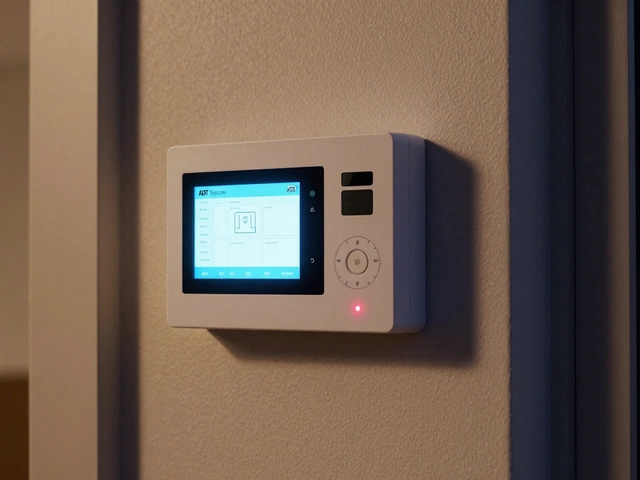
Alarm Effectiveness: How Well Do Modern Security Alarms Really Work?
When we talk about alarm effectiveness, how well a security alarm actually prevents break-ins and alerts the right people at the right time. Also known as alarm reliability, it’s not just about the siren going off—it’s about whether the system catches the real threat and doesn’t wake the whole neighborhood over a cat walking by. Many people think buying a loud alarm is enough, but the truth is, an alarm that triggers too often becomes background noise. Studies show that over 90% of residential alarms are false alarms, and police often ignore them after the third call. That’s why burglar alarm system, a network of sensors, control panels, and monitoring services designed to detect unauthorized entry design matters more than brand name.
Effective alarms don’t just sense motion—they understand context. A good system can tell the difference between a pet moving around and a person breaking in. That’s where pet friendly alarm, a security system with motion sensors calibrated to ignore animals under a certain weight or heat signature comes in. If you’ve got dogs or cats, you need this. A cheap system might ignore your golden retriever but still scream when the curtains blow. That’s not protection—that’s frustration. And then there’s connectivity. A wired alarm might be solid, but if the power goes out and there’s no backup, it’s useless. Modern systems use cellular backups and battery power to stay online even when the grid fails. That’s why monitored alarm system, an alarm connected to a professional security center that dispatches help when triggered outperforms DIY setups. It’s not just about the alarm—it’s about who’s listening.
Wireless cameras and smart sensors have changed the game, but they’re not magic. A wireless CCTV camera, a surveillance device that transmits video without physical cables, often relying on Wi-Fi or cellular signals might look clean, but if the signal drops during a break-in, you’re left with nothing. The best systems combine physical sensors with video verification. That way, if the alarm goes off, you get a live feed before anyone’s dispatched. It cuts down on false calls and speeds up real responses. And it’s not just about the hardware—it’s about how it all talks to each other. A system where the door sensor, motion detector, and camera all sync up is far more effective than three separate gadgets.
What you’ll find in the posts below are real-world tests of what works and what doesn’t. From battery life in wireless cameras to how pet immunity actually performs in homes with multiple dogs, these aren’t marketing claims—they’re what people experienced after installing the systems. You’ll see why some alarms fail during storms, how internet outages affect smart systems, and which brands actually deliver on their promises. No fluff. No hype. Just what keeps your home safe when it matters most.

1
Dec
Alarms don't scare burglars-they raise the risk of getting caught. Most burglars avoid homes with visible alarms, but only if the system is real, monitored, and verified. Learn what actually works to stop break-ins.