Monitored Alarm System: What It Is and Why It Matters for UK Homes
When you hear monitored alarm system, a security system that connects to a professional monitoring center that responds when triggered. Also known as professional alarm monitoring, it means your home or business doesn’t just make noise—it calls for help. Unlike basic alarms that just scream into the night, a monitored alarm system sends a signal to a 24/7 control center the moment something goes wrong. That center doesn’t just sit there—they call you, check the situation, and if needed, dispatch police or emergency services immediately. This isn’t theory. It’s what keeps homes safe in Birmingham and across the UK.
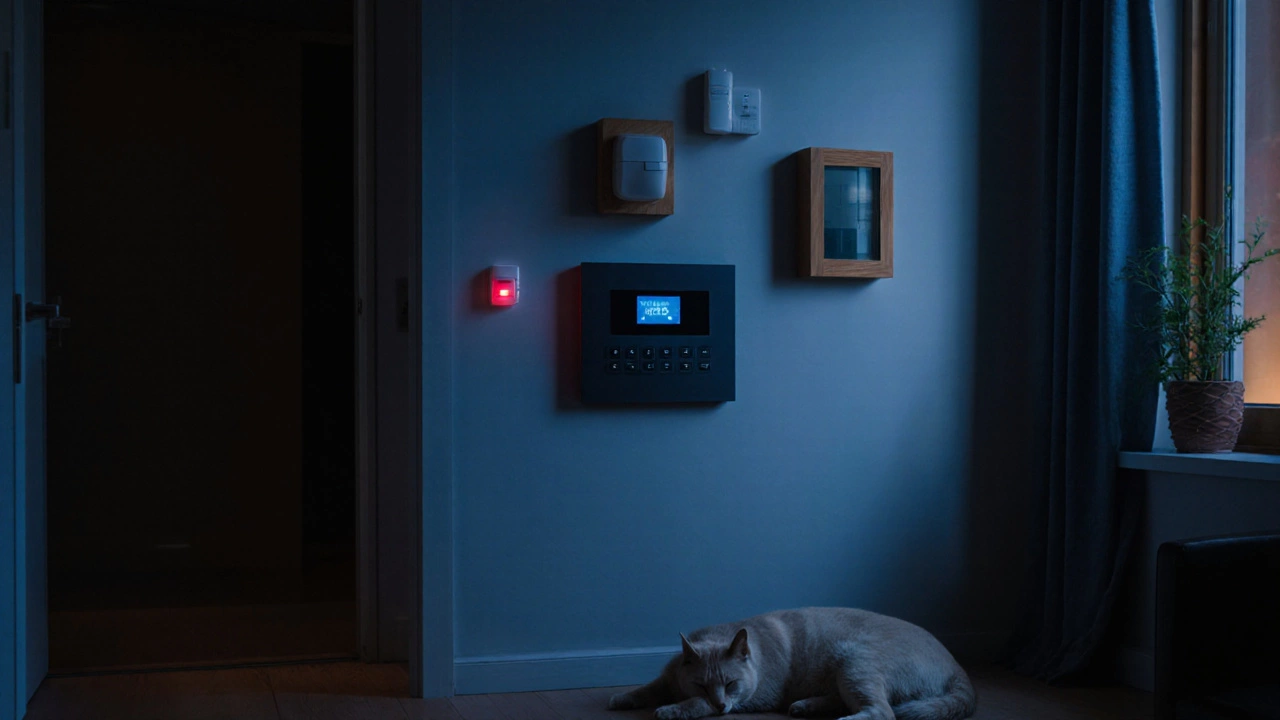
What makes a monitored alarm system different? It’s the connection. Your system talks to a real person, not just a phone app or a cloud server that might go down. That’s why it works even when the internet fails, the power flickers, or your phone dies. It’s built on cellular or landline backup, not Wi-Fi. And it’s not just about the alarm panel. It includes door sensors, motion detectors, glass-break sensors, and sometimes even smoke or flood detectors—all tied into one system that’s watched by experts. This isn’t a gadget. It’s a safety net.
People often confuse monitored systems with smart cameras or DIY kits. But a professional alarm monitoring, a service where trained operators respond to alarm signals from certified security systems. Also known as security monitoring, it’s the human layer that turns a loud noise into real action. A camera might show you someone breaking in, but it won’t call 999. A smart doorbell might send you a notification, but if you’re at work or asleep, it’s too late. A monitored alarm system doesn’t wait for you. It acts. That’s why insurance companies give discounts to homes with them—and why burglars avoid them. They know the difference.
And it’s not just for big houses. Whether you live in a flat in central Birmingham or a detached home in Solihull, a monitored alarm system scales to your space. You don’t need 10 cameras or a $5,000 setup. Just a few sensors, a reliable hub, and a connection to a trusted monitoring center. The best systems are simple, silent when idle, and loud when needed—because in a crisis, clarity beats complexity.
You’ll find posts below that dig into the real details: how these systems work without Wi-Fi, what happens when the power goes out, which brands actually deliver on their promises, and how they stack up against cheaper alternatives. You’ll also see how they interact with outdoor lighting, battery life, and even local laws around camera placement. This isn’t marketing fluff. These are real questions from real homeowners and business owners who’ve been there.
What you’ll learn here isn’t about buying the fanciest gadget. It’s about understanding what actually keeps your place safe—and who’s watching when you can’t be.