
CCTV Total Cost of Ownership (TCO) Estimator
Setup Parameters
Financial Projection
Maintenance Note
Calculated at $15/quarter per camera for lens cleaning and firmware updates.
Storage Note
Cloud is estimated at $10/mo per camera. Local includes HDD replacement every 3 years.
Upgrade Cycle
System hardware is estimated to need a significant refresh every 4 years.
Most people buy security cameras because they want peace of mind. They imagine a digital eye watching their front porch or office, stopping thieves before they even touch the door handle. But here is the reality: cameras aren't a magic shield. In many cases, the disadvantages of having CCTV can outweigh the benefits if you aren't prepared for the long-term headaches. From shocking maintenance bills to the legal nightmare of privacy lawsuits, installing a system is often the easy part. Dealing with the aftermath is where things get messy.
The Financial Trap: Beyond the Sticker Price
When you shop for a system, you see a price for the cameras and the recorder. But that is just the tip of the iceberg. The true CCTV installation cost is a combination of initial hardware, professional labor for wiring, and the long-term operational expenses required to keep the system functional . If you're hiring pros to run cables through your walls or mount cameras on high eaves, your budget will vanish quickly.
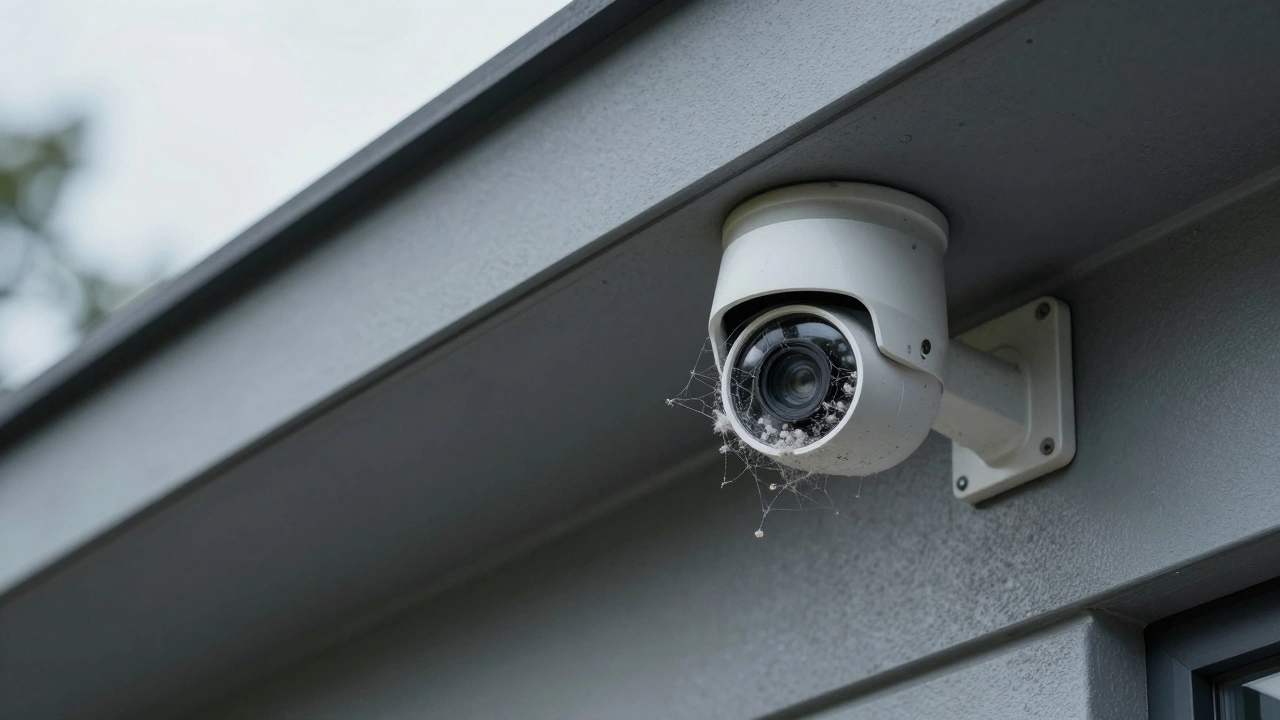
Then come the "silent" costs. Hard drives fail. Firmware needs updating to stop hackers from getting in. Lenses get covered in spider webs or grime, requiring regular cleaning to keep the image clear. If you opt for cloud storage, you're signing up for a monthly subscription that never ends. In some public projects, like those documented by the American Civil Liberties Union, officials found that the sheer cost of maintaining the gear and paying people to actually watch the footage far outweighed the actual crime prevention results.
| Expense Type | What's Included | Frequency |
|---|---|---|
| Initial Setup | Cameras, NVR/DVR, cables, installation labor | One-time |
| Storage Fees | Cloud subscriptions or replacement HDDs | Monthly/Yearly |
| Maintenance | Lens cleaning, focus adjustment, firmware patches | Quarterly |
| Upgrades | Replacing analog cameras with IP versions | Every 3-5 years |
The Privacy Minefield and Legal Risks
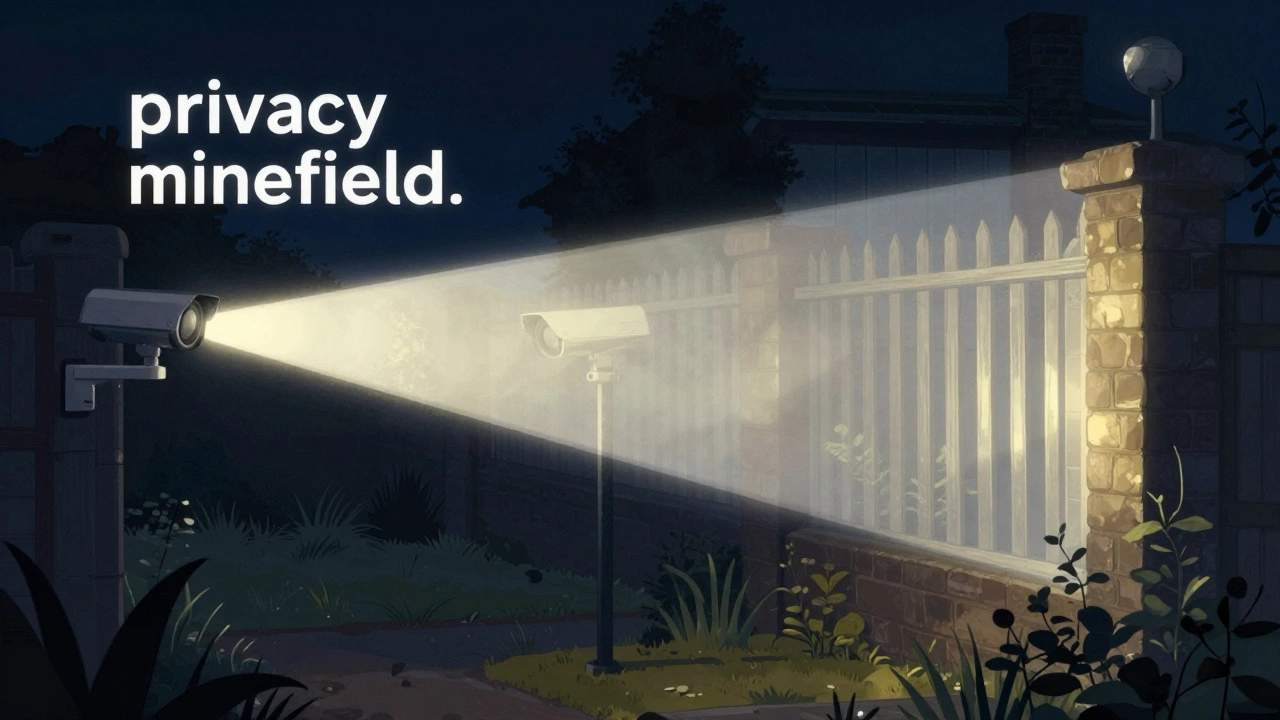
Putting up a camera doesn't just watch the "bad guys"; it watches everyone. This is where you run into serious ethical and legal trouble. Privacy laws are regulations that dictate where surveillance can be placed and how recorded data must be handled to avoid infringing on individual liberties . If your camera accidentally peeks into a neighbor's bedroom or bathroom, you aren't just being a "nosy neighbor"-you could be facing a lawsuit or heavy fines.
Many regions now require clear signage to notify people they are being recorded. If you skip the signs, some jurisdictions might throw your evidence out of court or fine you for non-compliance. There's also the psychological toll. When people know they're being watched 24/7, it creates an atmosphere of distrust. It's a strange irony: the system meant to make you feel safe can actually make the people around you feel anxious and controlled.
Why Your Footage Might Be Useless
We've all seen those grainy videos in crime shows where a detective zooms in on a pixelated blob and suddenly knows the suspect's name. In the real world, that doesn't happen. A joint report by the UK Home Office revealed a staggering stat: over 80% of CCTV images were too poor in quality to be useful for police investigations. Why? Because environmental factors are brutal.
Rain, fog, and glare can turn a high-def camera into a blurry mess. At night, Infrared (IR) illumination is a technology that allows cameras to see in the dark by emitting light invisible to the human eye , but it can be tricked by reflections or a single white object close to the lens, blowing out the rest of the image. Then there's the issue of blind spots. No matter how many cameras you have, there's always a gap-a spot where a determined intruder can slip through unseen. If your system suffers a "silent failure" (like a crashed hard drive), you won't even know you're blind until you actually need the footage.
The Danger of the "False Sense of Security"
This is perhaps the most dangerous drawback. When you see a camera on the wall, you feel protected. This feeling often leads to complacency. You might stop double-checking the locks on the back door or forget to update your alarm codes because you think, "The camera will catch them."
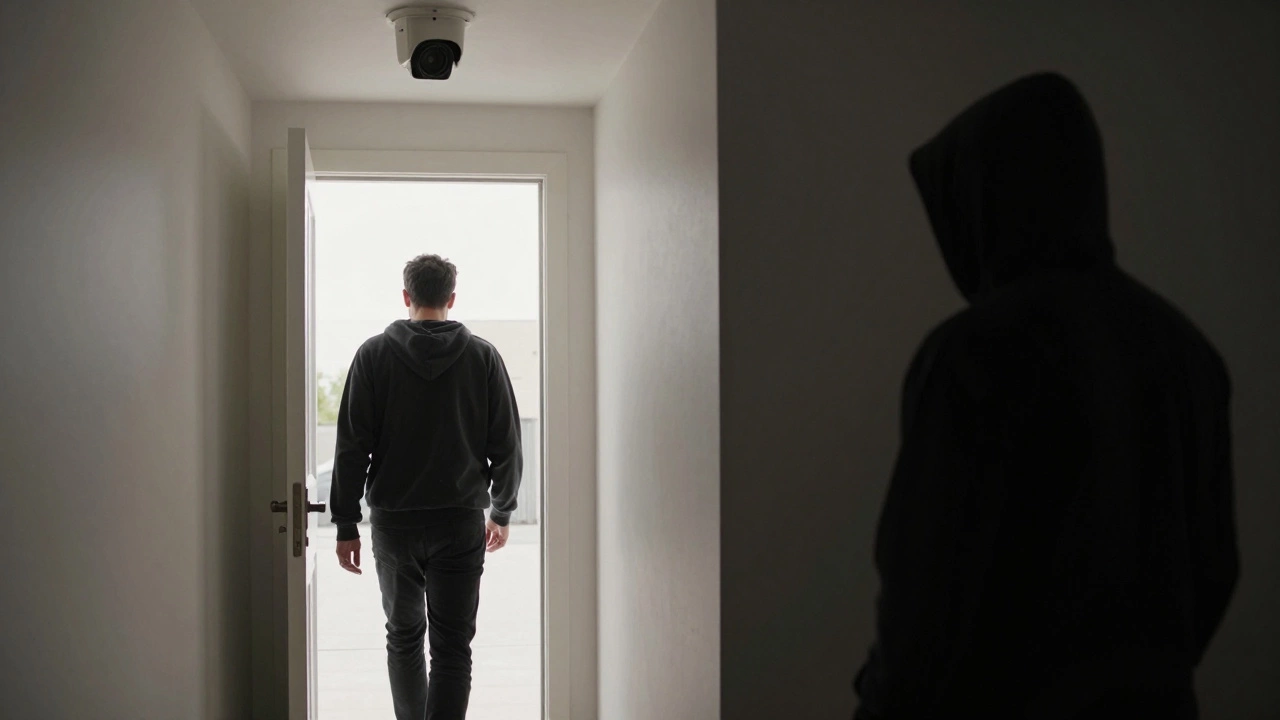
But cameras are reactive, not proactive. They record the crime; they don't necessarily stop it. A thief wearing a mask and a hoodie doesn't care if they are on camera if they know they can be out of the building in 60 seconds. The ACLU has pointed out that cameras do very little to deter high-stakes threats like terrorism or suicide attacks. By relying solely on a Surveillance System is an integrated network of cameras and recording devices used to monitor a specific area , you might be neglecting a layered security approach that includes physical barriers, better lighting, and active alarm systems.
Hacking and Cyber Vulnerabilities
Modern cameras are basically small computers connected to your Wi-Fi. If you leave the default password as "admin" or "12345," you're basically inviting the world into your living room. Networked CCTV systems are prime targets for hackers. Once inside, they can not only watch your private moments but can potentially use the camera as a gateway to access other devices on your network, like your laptop or smart lock.
There's also the risk of internal abuse. We've seen countless cases where employees or security guards use their access to spy on colleagues or family members. Without strict logs and oversight, a security system can easily turn into a tool for voyeurism or blackmail.
Do CCTV cameras actually deter thieves?
They can deter opportunistic thieves, but professional criminals often use masks or know how to avoid camera blind spots. Cameras are better for gathering evidence after a crime than preventing one in real-time.
How can I prevent my cameras from being hacked?
Always change default passwords immediately, enable two-factor authentication (2FA), and keep your firmware updated. If possible, put your cameras on a separate VLAN (Virtual Local Area Network) so they can't access your main computers.
Are there legal requirements for installing CCTV at home?
Yes, usually. Most regions prohibit recording in areas where people have a reasonable expectation of privacy (like bathrooms). You may also be required to post signs notifying visitors that surveillance is in effect.
Why is my camera footage blurry at night?
This is usually caused by a lack of sufficient light, lens flare from IR reflections, or "noise" created by the camera trying to digitally brighten a dark image. Upgrading to cameras with better low-light sensors or adding external lighting can help.
Is cloud storage better than local storage for CCTV?
Cloud storage is safer if a thief steals the recording device itself. However, it comes with monthly fees and requires a stable internet connection. Local storage (NVR/DVR) is faster and has no monthly cost, but is vulnerable to physical theft or hardware failure.
Next Steps for a Balanced Security Strategy
If you're worried about the drawbacks mentioned above, don't just rip out your cameras. Instead, move toward a "defense-in-depth" model. This means using cameras as just one piece of the puzzle.
- Prioritize Physical Security: Deadbolts, reinforced door frames, and security film on windows stop intruders faster than a camera ever will.
- Improve Lighting: Motion-activated LED floodlights are often more effective at scaring off a thief than a recording device.
- Audit Your Privacy: Check your camera angles. Ensure you aren't recording your neighbor's backyard or a public sidewalk in a way that violates local laws.
- Set a Maintenance Schedule: Put a reminder in your calendar every three months to clean the lenses and check that the hard drive is actually recording.