Home Security Deterrence Calculator
Select the security features currently installed or visible at your home to calculate your deterrence score.
Motion Lights
Perimeter detection & occupancy simulationVisible Cameras
Identifies intruders (53% deterrent)Reinforced Locks
Deadbolts & window locksClear Sightlines
Trimmed bushes & no hiding spotsAlarm System
Sensors & loud sirenPro Monitoring
24/7 dispatch & police responseSmart Routine
Randomized lights when awayWarning Signs
Stickers & yard signs (Low impact)The Hard Truth: Do Burglars Actually Care About Your Alarm?
You probably assume that if you install a home security system, a network of sensors, alarms, and cameras designed to detect and deter intruders, burglars will steer clear. It’s the logical assumption. But does it hold up when you talk to the people who actually break in? The short answer is yes-but with some serious caveats.
Burglary isn’t usually a random act of violence; it’s often a calculated search for an easy target. Research consistently shows that criminals are risk-averse. They want quick cash and zero trouble. When they see signs of resistance, many will simply move on to the next house down the street. However, "seeing" a system and being stopped by one are two different things. A dusty camera covered in leaves doesn’t stop anyone. An armed, monitored alarm might scare off half the crowd, but the other half? They’re prepared for that.
To understand how to protect your home, we need to look at what works, what looks like it works but doesn’t, and how professional criminals think. We’ll pull data from studies involving convicted offenders to give you the real picture, not just marketing fluff.
What Convicted Burglars Say About Target Selection
If you want to know how a thief thinks, don’t guess-ask them. Researchers have spent years interviewing incarcerated burglars to understand their decision-making process. The results are surprisingly consistent across different regions and studies.
A landmark study by the University of North Carolina at Charlotte looked closely at the habits of convicted burglars. Here is what they found:
- 83% of burglars actively check for security systems. Before even trying a door handle, most offenders scan the property for alarm company stickers, visible cameras, or motion lights.
- 60% will choose a different target if they find a system. If they spot a credible security setup, more than half will abandon that house and look elsewhere.
- 50% retreat immediately if an alarm triggers. Once inside, if a siren goes off, half of all burglars leave right away. Another 31% might hesitate, but only 13% continue despite the noise.
This data suggests that visibility is key. The goal isn’t just to catch the burglar; it’s to make them decide your house is too much hassle before they even knock on your door. In the UK, where residential burglary rates have fluctuated but remain a concern, this pre-entry reconnaissance is standard practice. Most breaks-ins happen because the offender saw an opportunity, not because they were forced into it.
Cameras vs. Signs: What Actually Deters Crime?
Not all security features are created equal. You can spend money on signage, but it won’t buy you the same safety as physical hardware. Studies comparing different deterrents show a stark difference in effectiveness.
| Security Feature | Deterrence Rate | Why It Works (or Doesn't) | |
|---|---|---|---|
| Visible Security Cameras | 53% | Creates fear of identification and prosecution. Visual proof of surveillance. | |
| Loud Alarm Sirens | ~60% avoid attempt | Triggers immediate panic and alerts neighbors/police. High psychological pressure. | |
| Warning Signs/Stickers | 25% | Low credibility. Easy to ignore. Often seen on empty houses. | |
| Motion-Activated Lights | High (part of layering) | Eliminates shadows for hiding. Simulates occupancy. |
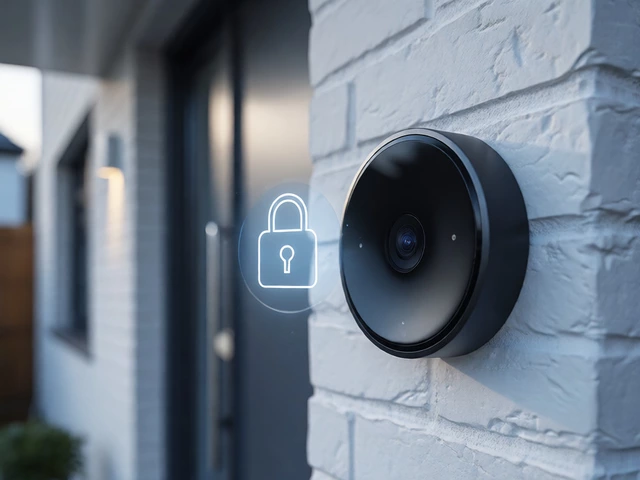
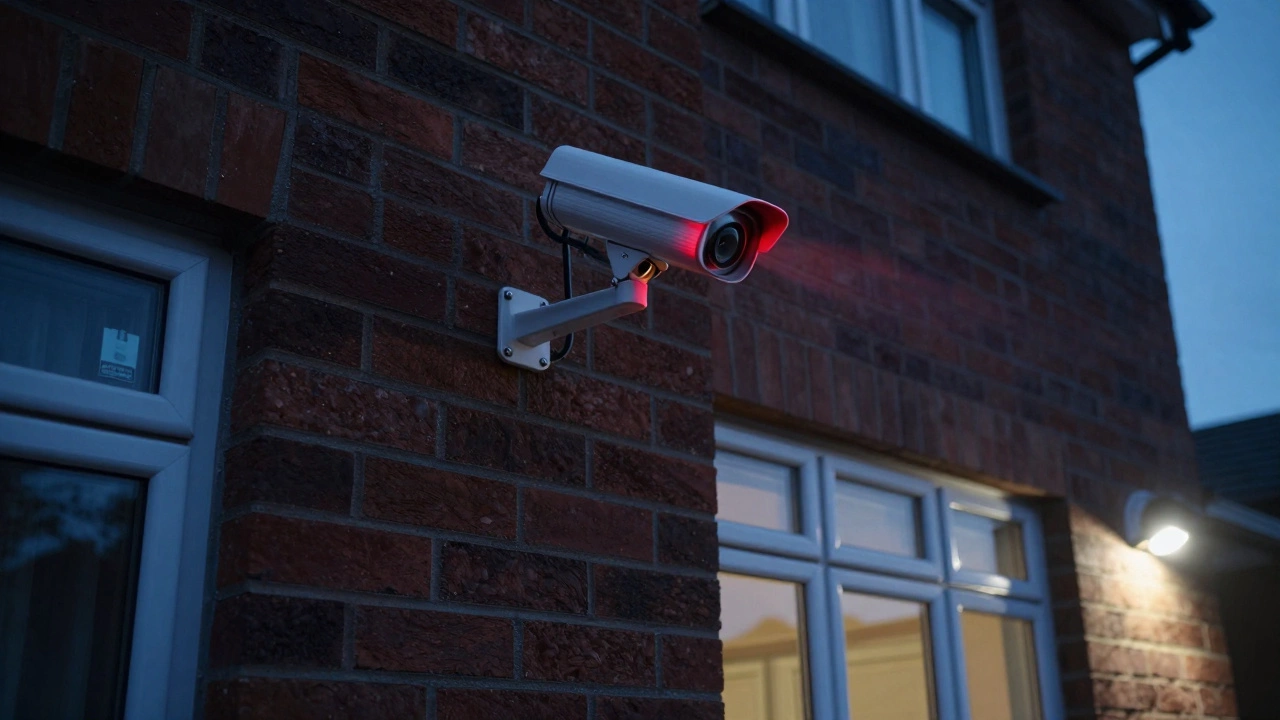
Notice the drop-off between cameras and signs. A sticker saying "Protected by ADT" or "Beware of Dog" is cheap, but experienced criminals know these are easy to bypass or fake. Visible cameras, however, tell a different story. They suggest that every move is recorded. According to data from The Alarm Masters, security analysis firm providing industry insights on alarm effectiveness, visible cameras deter over half of potential intruders. That’s a massive number.
But there’s a catch. Burglars are getting smarter. They don’t just look for cameras; they look for blind spots. They check if the lens is pointed away from the back door. They see if the camera is old, broken, or obscured by foliage. If a camera looks decorative rather than functional, it offers little protection. This is why placement matters more than price. A £50 camera positioned correctly is better than a £500 system hidden behind trees.
The Power of Layered Security
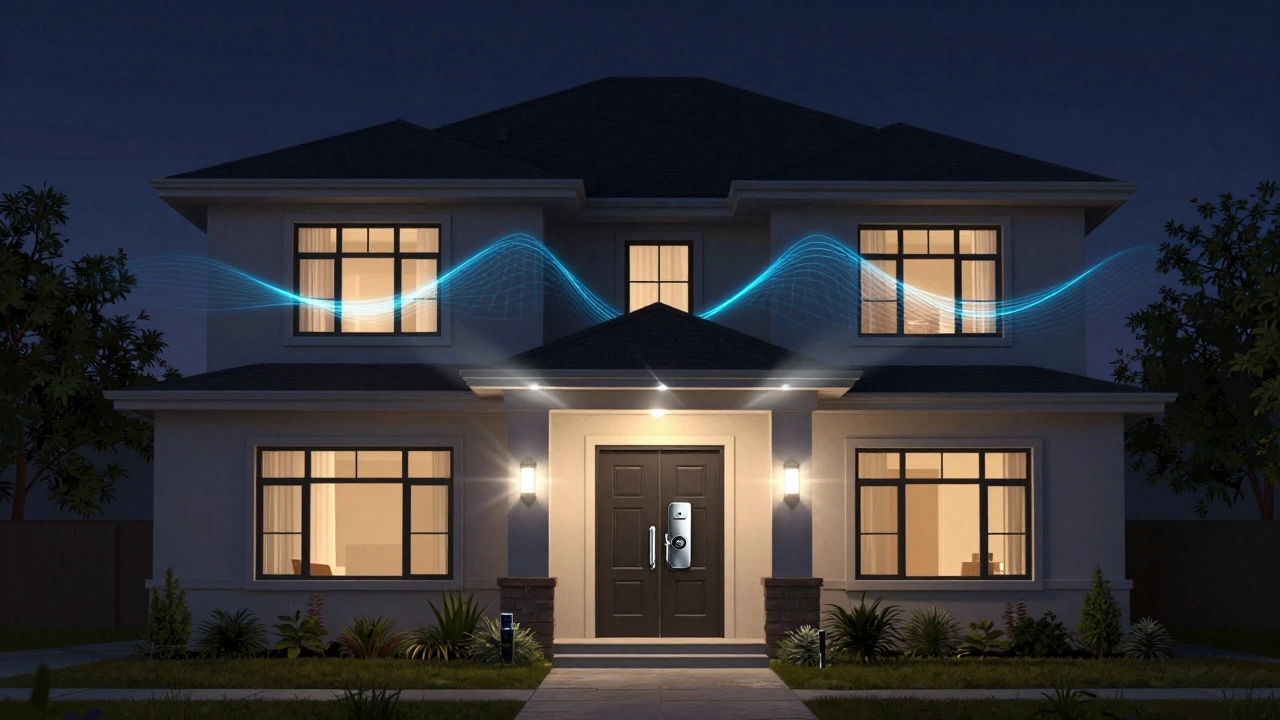
Relying on one device is a mistake. The most effective strategy is layering-creating multiple hurdles that force a burglar to work harder, make more noise, and take more time. Every second counts for a criminal. If they have to disable a lock, dodge a camera, and silence an alarm, they’re likely to quit.
Here is how a layered approach works in practice:
- Perimeter Detection: Use motion-activated lights and outdoor cameras to cover the yard and driveway. This alerts you to someone approaching before they reach the door.
- Entry Point Hardening: Reinforce doors and windows. Add deadbolts and window locks. Burglars prefer weak points. If the front door is solid steel with a good lock, they might try a side window instead.
- Interior Monitoring: Install indoor cameras and glass-break sensors. If they get in, you want to know immediately. Smart devices can send alerts to your phone instantly.
- Professional Monitoring: This is the game-changer. A DIY alarm sounds loud, but if no one answers the police call, the burglar waits it out. Professional monitoring ensures officers are dispatched even if you’re asleep or on holiday.
Research from Vivint, smart home security provider offering integrated alarm and camera solutions highlights that loud alarms combined with visible cameras create a compounded deterrent effect. One stops them from entering; the other stops them from staying. Together, they make the risk profile too high for most amateurs.
Common Mistakes That Leave You Vulnerable
Even with a top-tier system, you can still be targeted if you make basic errors. Burglars look for inconsistencies. Here are the biggest pitfalls homeowners fall into:
- Unarmed Systems: Leaving your alarm disarmed when you go to bed or leave for work renders it useless. Many thieves check for "Away Mode" indicators on control panels.
- Hidden Cameras: Covert cameras are great for evidence, terrible for deterrence. If they don’t see it, they aren’t scared by it. Mix visible and hidden units, but prioritize visibility for entry points.
- Overgrown Landscaping: Thick bushes near windows provide cover. Trim them back. Good lighting and clear sightlines are your friends.
- Ignoring Maintenance: Dead batteries, offline hubs, or outdated firmware can fail when you need them most. Test your system monthly.
- Predictable Routines: If you always leave for work at 8 AM and return at 6 PM, a stalker knows your schedule. Use smart plugs to turn lights on and off randomly when you’re away.
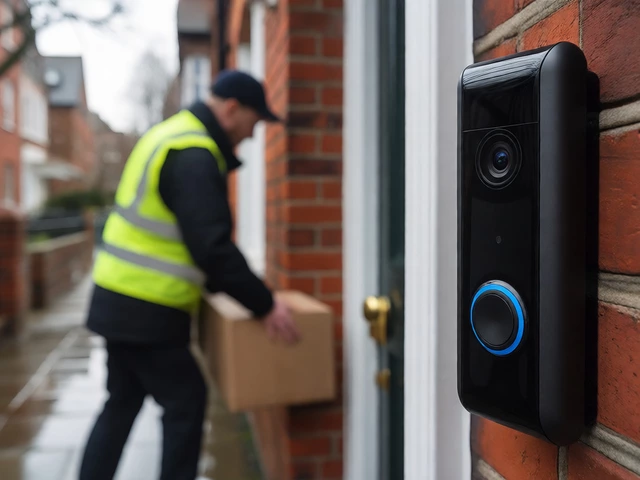
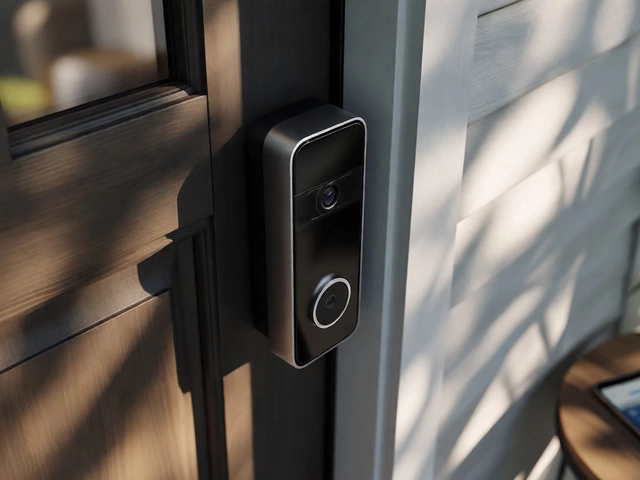
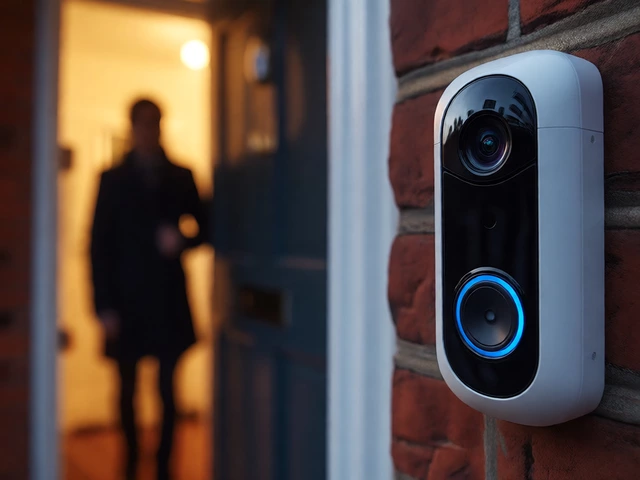
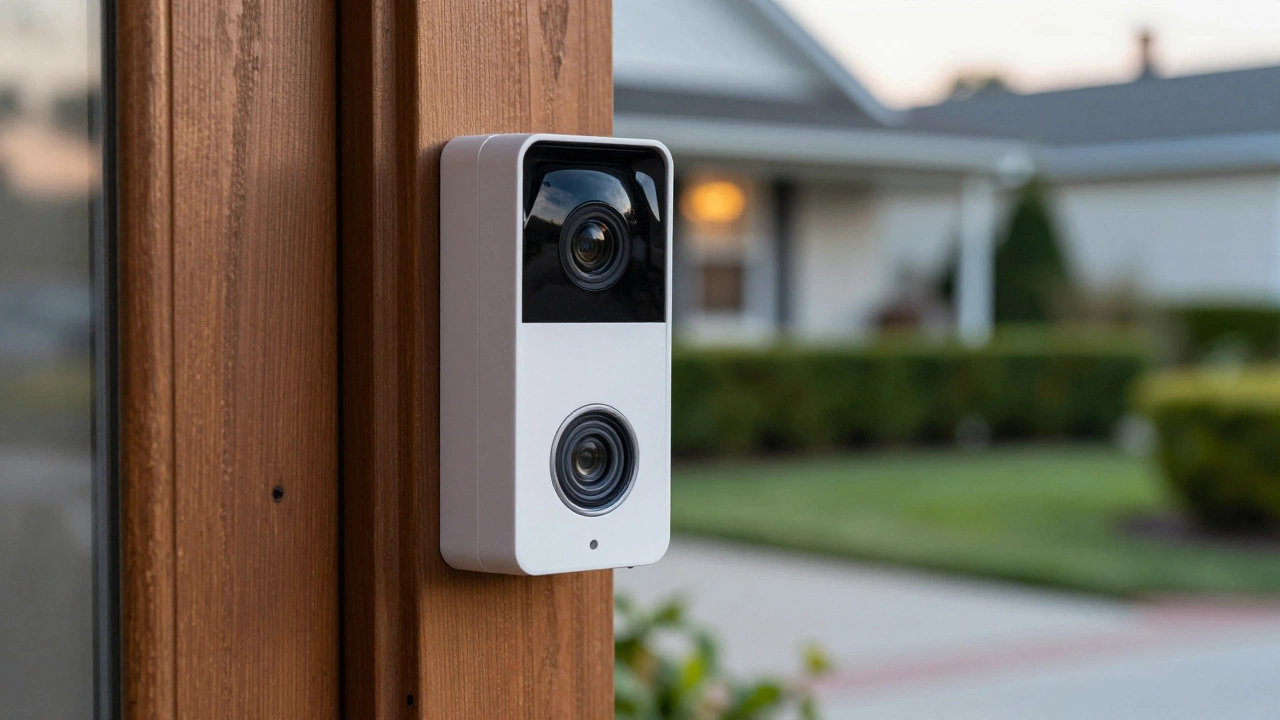
In Bristol and similar UK cities, porch piracy and package theft are rising alongside traditional break-ins. A video doorbell, smart door-mounted camera allowing remote visitor interaction and recording is particularly useful here. It captures faces clearly and allows you to speak to strangers remotely, which alone can discourage opportunistic thieves.
Is Professional Monitoring Worth It?
This is the big question. DIY systems are cheaper upfront, but professional monitoring adds a layer of reliability that matters during a crisis. When a sensor trips, a professionally monitored system contacts a dispatch center immediately. They verify the alert (often via audio or video) and call emergency services if needed.
Without monitoring, you rely on yourself. If you’re at work, you might not hear the app notification. By the time you react, the burglar could be halfway out the door. With monitoring, police response times can be significantly reduced because they arrive with confirmed reports rather than waiting for a homeowner to call.
Consider this: homes without any security system are statistically 300% more likely to be burglarized than those with installed systems. Adding professional monitoring closes the loop, ensuring that the system actually does something when triggered. For families, elderly residents, or frequent travelers, this peace of mind is invaluable.
Frequently Asked Questions
Do burglars really check for security systems before breaking in?
Yes. Studies show that approximately 83% of convicted burglars actively look for signs of security systems, such as cameras, alarm stickers, or motion lights, before attempting to enter a home. They are looking for the path of least resistance.
Are fake security cameras effective at stopping burglars?
Fake cameras offer minimal deterrence. Experienced criminals know how to distinguish real equipment from props. Real cameras provide both deterrence and evidence. Fake ones do nothing if a burglar decides to proceed, leaving you with no recourse.
What is the most effective way to prevent a break-in?
A multi-layered approach is best. Combine visible security cameras, reinforced locks, motion-activated lighting, and a monitored alarm system. This creates multiple barriers that increase the effort and risk for any potential intruder.
Does having a dog help prevent burglary?
Yes, dogs are a strong deterrent. Many burglars report avoiding homes with dogs due to the noise and unpredictability. However, dogs should complement, not replace, technical security measures like alarms and cameras.
How important is professional monitoring for home security?
Professional monitoring ensures that emergency services are alerted immediately when an alarm triggers, even if you are not home to respond. It provides a reliable link between your security system and law enforcement, reducing response times.
Can burglars easily disable modern security systems?
While sophisticated thieves may attempt to bypass components, modern wireless systems are difficult to disable completely. Tampering with sensors or cutting power typically triggers silent alarms or backup battery alerts, notifying monitoring centers instantly.
Should I hide my security cameras or keep them visible?
Keep primary entry-point cameras visible. Their main job is deterrence. Hidden cameras are useful for interior coverage or capturing evidence after the fact, but visible units are far more effective at preventing the initial break-in.