Pet Safe Security System
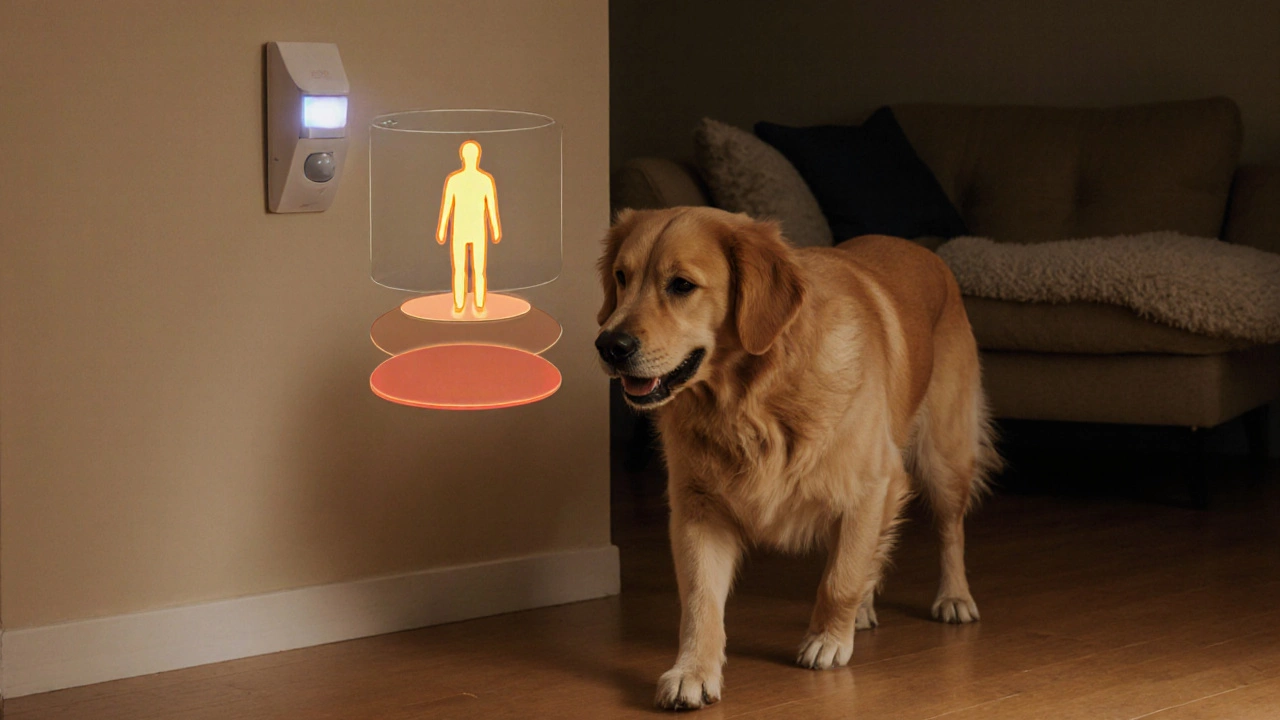
When you install a pet safe security system, a home security setup designed to ignore normal pet movement while still detecting human intruders. Also known as pet-friendly alarm system, it uses smart sensors and camera filters to tell the difference between your dog pacing the floor and someone breaking in. Most standard alarms go off when a cat jumps on the counter or a dog runs past a motion sensor. That’s not security—it’s frustration. A real pet safe system doesn’t just reduce false alarms; it adapts to your home’s rhythm.
Key parts of a good system include pet detection sensors, motion detectors tuned to ignore animals under 40 pounds, and wireless security cameras for pets, cameras with AI that recognize pets and only send alerts when humans are present. These aren’t gimmicks. Companies like SimpliSafe and Ring now offer pet-friendly modes because homeowners demanded them. You don’t need to choose between safety and comfort. Modern systems let your dog sleep on the couch without turning your phone into a noise machine every time he stretches.
Some people think pet safe means lowering security. It doesn’t. It means upgrading intelligence. Thermal imaging cameras, for example, see heat signatures—so a warm human standing still near your back door stands out, even if your cat is darting across the floor. Infrared and night vision cameras can be filtered too, so only human-sized heat patterns trigger alerts. You’re not hiding your security—you’re making it smarter.
Placement matters. A motion sensor mounted at knee height will react to every pet that walks by. One mounted at 5 feet or higher ignores them. Outdoor cameras should avoid pointing directly at pet areas unless they have animal exclusion zones built in. And if you’ve got a large dog that likes to lean on the front door? Make sure your doorbell camera can distinguish between a dog’s nose pressing the button and a person trying to force entry.
It’s not just about the gear. A good pet safe system includes app controls that let you arm or disarm zones. So if your cat loves to nap on the stairs, you can turn off motion alerts in that hallway while keeping the rest of the house locked down. You can even set schedules—like pausing alerts during walk times or when your pet sitter comes over.
And yes, wireless cameras work fine for pet owners. As long as they’re placed right and have local storage or cellular backup, you won’t lose footage when the Wi-Fi drops. Battery life? It lasts longer if you avoid constant live streaming. Use motion-triggered recording instead. That’s how most pet owners keep their systems running for months without charging.
What you’ll find in the posts below are real-world tests of systems that actually work for homes with pets. No marketing fluff. Just what happens when you put a German Shepherd, two cats, and a security camera in the same room. You’ll see how thermal vs night vision behaves around animals, why some wireless cameras still trigger false alarms, and how to set up your system so your pet doesn’t become your biggest security headache.