Robbery Risk & Safety Calculator
Analyze Your Situation
Risk Analysis Results
Enter details and click "Assess Risk" to see your vulnerability level.
Most people assume that the middle of the night is when criminals strike. You lock your doors, check the windows, and hope for a quiet sleep. But if you want to protect your home effectively, you need to know the truth about when robberies actually happen. The data tells a different story than Hollywood movies suggest.
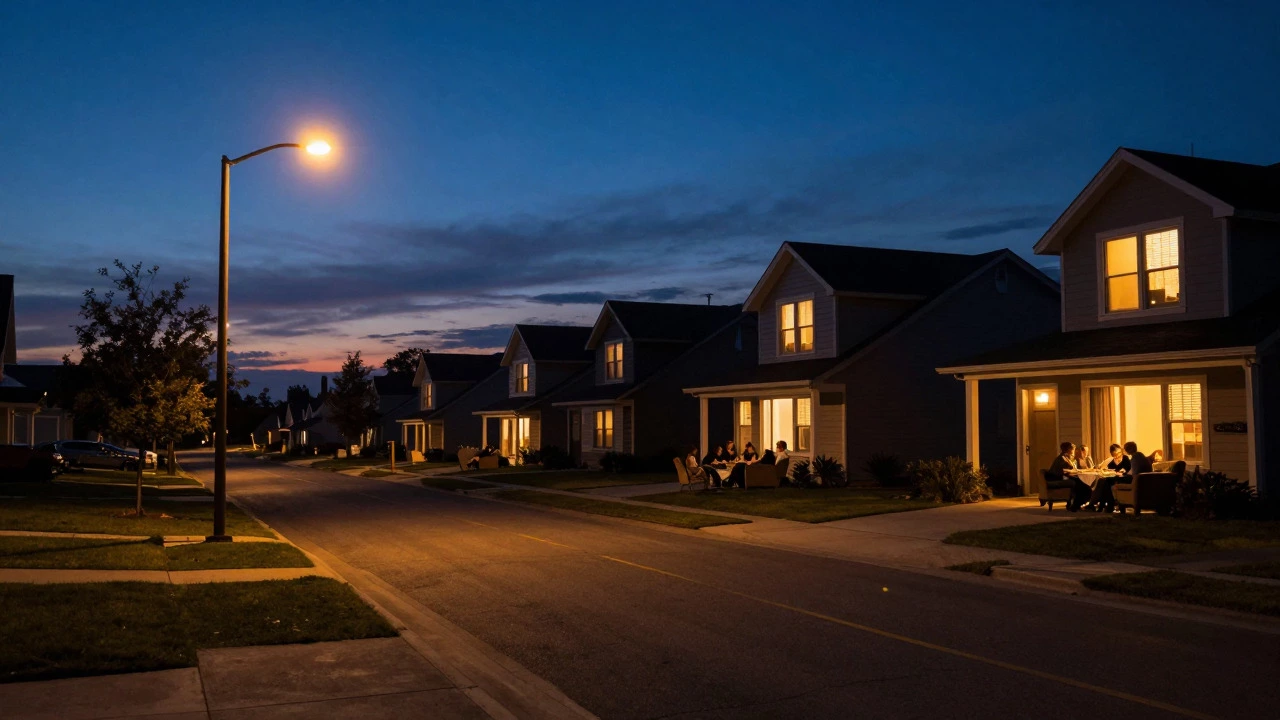
The most dangerous time isn't 3 a.m. It's often right after dinner. According to analysis of crime data from major U.S. cities, the single highest concentration of robbery incidents occurs around 8 p.m.. This might seem counterintuitive, but it makes sense when you look at human behavior. At 8 p.m., many families are settling in, lights are on inside homes, and the streetlights are fully active. However, visibility outside is dropping, and foot traffic is thinning out. This creates a perfect storm for opportunistic criminals who want easy targets with fewer witnesses.
The Real Window of Vulnerability
To understand how to secure your property, you have to look at the broader timeline. Research analyzing public crime data from over a dozen metropolitan areas shows that robberies don't just spike at one hour. They occur across a wide window from 2 p.m. to 2 a.m. This eight-hour block represents the core period where risk is elevated compared to early morning or mid-day hours.
Why does this window matter? Because it aligns with daily routines. In the late afternoon, people leave work and school. By evening, they are commuting or relaxing at home. Criminals are smart; they watch patterns. They know when neighborhoods are empty during the day and when they are full but distracted in the evening. Understanding this pattern helps you decide when to be most vigilant and when to rely heavily on automated security measures like a burglar alarm system that works while you're asleep or away.
Why Midnight Isn't the Only Danger Zone
You've probably heard that midnight is the peak hour for violent crime. And statistically, there is truth to that. Police incident reports show significant spikes in violent offenses, including robbery, at midnight. However, this peak is often driven by specific contexts, such as nightlife activities, bar closures, and transit hubs. If you live in a dense urban area near entertainment districts, midnight is indeed a high-risk time.
But for the average homeowner, the secondary peak at 2 a.m. is equally concerning. This hour coincides with the tail end of late-night social activity. People are walking home from bars or concerts, often tired and less alert. Visibility is at its lowest, and police presence may be reduced compared to evening patrol hours. This is why outdoor lighting and motion-activated cameras are critical components of a comprehensive security strategy.
The Role of Darkness in Crime Rates
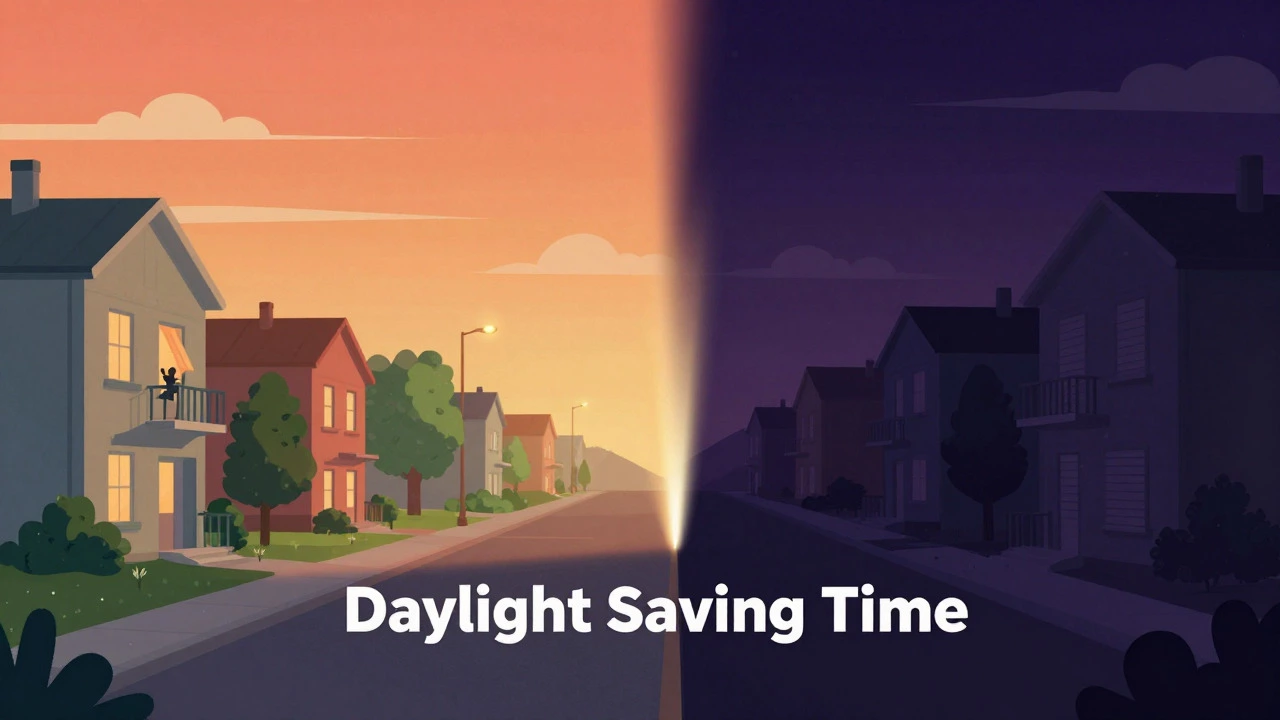
Darkness is more than just an absence of light; it's a tool for offenders. Studies using daylight saving time (DST) data reveal a fascinating correlation between sunlight and crime rates. When clocks spring forward, shifting sunset later into the evening, robbery rates drop significantly. One study found a 27% decrease in robberies during the hour following the sunset shift in the spring. Another analysis showed an average 51% decrease in robbery rates during that same transition period.
This data proves that darkness facilitates crime. It provides concealment for offenders and reduces the number of potential witnesses. When it gets dark earlier in winter, crime rates tend to tick up slightly because the "cover of darkness" arrives sooner. This is why investing in exterior lighting is not just about aesthetics-it's a proven deterrent. Bright, well-placed lights eliminate the shadows where criminals hide, making your home a less attractive target.
| Time of Day | Risk Level | Primary Factors |
|---|---|---|
| 8:00 PM | Highest Peak | End of workday, low foot traffic, indoor lighting visible |
| 12:00 AM | High Peak | Nightlife activity, transit hubs, alcohol consumption |
| 2:00 AM | Secondary Peak | Late-night travel, reduced police presence, poor visibility |
| 3:00 PM | Moderate Peak | School dismissals, transit usage, daytime opportunity |
Day vs. Night: The Surprising Split
It’s important to note that robberies aren't exclusively a nighttime problem. Data from multiple city analyses shows that robberies occur at night about 56% of the time, leaving 44% happening during daylight hours. This is a much closer split than you might expect for other violent crimes. For example, homicides occur at night 65% of the time, and sexual assaults occur at night 59% of the time. Robbery is more evenly distributed because it often involves opportunistic theft rather than premeditated violence.
This means your security plan can't just focus on night mode. During the day, risks come from package thieves, porch pirates, and opportunists who see unlocked doors or open windows. A robust home security system should include door sensors, window contacts, and video monitoring that operates 24/7, not just when the sun goes down.
Weekly and Seasonal Patterns
Timing isn't just about the clock; it's also about the calendar. Crime data reveals distinct weekly trends. Fridays consistently show the highest peak in known crime reports, averaging significantly more incidents per capita than other days. Sundays, on the other hand, tend to have the fewest incidents during the day. If you're planning to travel or leave your home unattended, being aware of these weekly spikes can help you adjust your security protocols accordingly.
Seasonality plays a huge role too. Summer months, particularly July and August, see roughly a 12% increase in crime rates compared to winter lows. Why? More people are outdoors, tourism increases, and schools are out. Warmer weather leads to more open windows and doors, creating easy entry points for burglars. In cities with dramatic temperature changes like Chicago or Boston, this summer spike is very pronounced. Even in milder climates, the longer daylight hours initially reduce crime, but the extended evening social life later in the summer can offset those gains.
How to Secure Your Home Against These Patterns
Knowing *when* crimes happen allows you to tailor your defenses. Here is how to use this data to protect yourself:
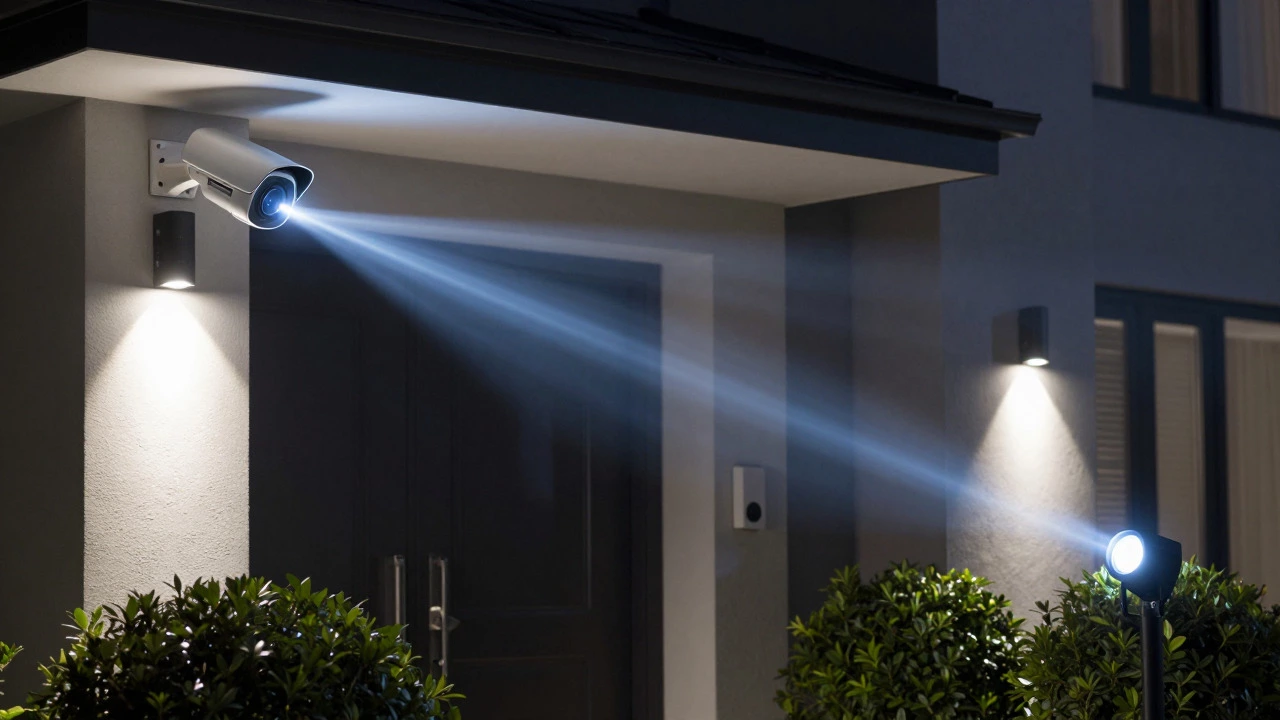
- Automate Your Lighting: Use smart bulbs or timers to mimic occupancy. If your house looks dark at 8 p.m. or 2 a.m., it signals an empty home. Program lights to turn on at dusk and stay on intermittently through the night.
- Install Motion-Sensor Cameras: Place cameras at all entry points, especially front and back doors. Ensure they have night vision capabilities to capture clear footage during the 8 p.m. to 2 a.m. window.
- Upgrade Your Alarm System: A modern wireless burglar alarm can detect intrusions instantly and notify authorities or a monitoring service. Look for systems with cellular backup so they work even if power or internet is cut.
- Secure Transit Areas: If you walk home late, stick to well-lit paths. Avoid shortcuts through alleys or parks between 8 p.m. and 2 a.m. Awareness is your first line of defense.
- Trim Landscaping: Remove bushes and trees that provide cover near windows and doors. Criminals use foliage to hide from view. Keep shrubs trimmed below window sills.
Understanding the "Why" Behind the Timing
Criminologists point to several factors that drive these temporal patterns. First is routine activity theory. Crime happens when a motivated offender, a suitable target, and the absence of a capable guardian converge. At 8 p.m., many homeowners are indoors, possibly distracted by TV or dinner, reducing their awareness of outside threats. At 2 a.m., the lack of neighbors walking dogs or cars passing by removes natural surveillance.
Second is the infrastructure factor. Public transit systems see high robbery rates around 3 p.m. due to student commuters. Nighttime economy settings, like bars and clubs, extend the risk window into the early morning as patrons disperse. Urban density matters too. Rural areas have different timing profiles compared to dense cities. In rural areas, isolation is the key risk factor, whereas in cities, anonymity and crowd cover are the drivers.
Finally, consider the psychological aspect. Darkness reduces the perceived risk of getting caught. Offenders feel safer when witnesses are scarce. By increasing visibility-through better street lighting requests from local councils or personal outdoor floodlights-you disrupt this sense of safety for the criminal.
What is the most common time for robberies?
The single most common time for robberies is around 8 p.m. This evening hour sees the highest concentration of incidents across major U.S. cities. However, risk remains elevated throughout the window from 2 p.m. to 2 a.m., with secondary peaks at midnight and 2 a.m.
Do most robberies happen at night?
Yes, but not overwhelmingly so. Approximately 56% of robberies occur at night, while 44% happen during daylight hours. This is a closer split than other violent crimes like homicide, which are more concentrated at night. This means daytime vigilance is just as important as nighttime security.
How does daylight saving time affect robbery rates?
Daylight saving time has a measurable impact on crime. When clocks spring forward, extending evening daylight, robbery rates can drop by up to 27% in the immediate weeks following the change. This suggests that increased visibility and longer daylight hours act as significant deterrents to opportunistic criminals.
Which day of the week is safest from crime?
Sunday typically has the fewest crime incidents during the day, making it the safest day of the week statistically. Friday, conversely, sees the highest peak in crime reports, likely due to weekend social activities and higher levels of alcohol consumption.
Does a burglar alarm system prevent nighttime robberies?
Yes, a properly installed and monitored burglar alarm system is one of the most effective deterrents. Systems with loud sirens, flashing lights, and instant police notification significantly reduce the likelihood of a successful break-in. Visible alarm signage alone can discourage opportunistic thieves who prefer easy, low-risk targets.
Are summers more dangerous for home invasions?
Summer months, particularly July and August, see a roughly 12% increase in crime rates compared to winter. Warmer weather leads to more open windows and doors, and increased outdoor activity provides more opportunities for observation by criminals. It is crucial to maintain security habits like locking windows even when it is warm outside.