Burglar Deterrent Simulator
Based on offender studies, adjust the variables below to see how different security setups influence a burglar's decision to flee or stay.
Security Setup
Likely Outcome
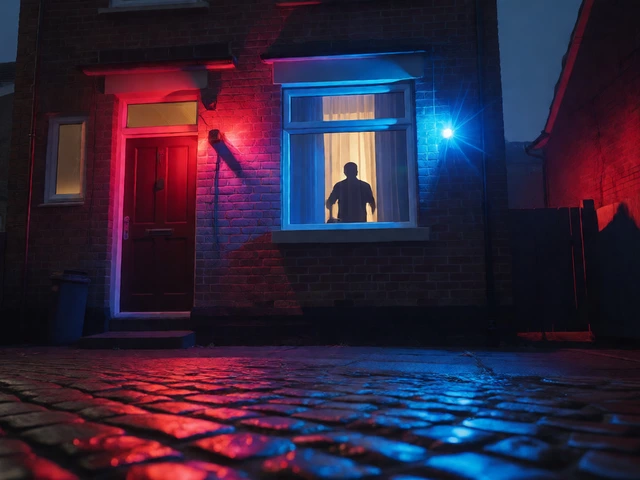
You’ve just heard that piercing siren wail from the house next door. Your first instinct is probably to wonder: did they catch him? or did he get away with the TV? It’s a common question for anyone considering installing a system in their Sheffield home or those already living with one. The short answer is yes, many burglars do run. But it’s not as simple as pressing a button and watching them flee like cartoon characters.
The reality of burglar alarms is more nuanced. While they are powerful deterrents, they aren’t magic shields. Some thieves ignore them, some try to disable them, and others rely on the fact that most alarms are false positives. Let’s break down what actually happens when that siren goes off, using real data from offender studies and police guidance.
What Offenders Actually Say About Alarms
If you want to know if burglars run, ask burglars. The most cited evidence comes from interviews with active offenders. In a landmark study by Scott H. Decker and Richard T. Wright, researchers interviewed over 100 residential burglars in St. Louis. The result was clear: most wanted to avoid alarmed properties entirely. They didn’t want to deal with the noise, the attention, or the risk of getting caught.
A larger survey in 2012 looked at 422 incarcerated burglars across North Carolina, Kentucky, and Ohio. Here is what they admitted:
- 60% said they would choose a different target if they saw an alarm box before breaking in.
- 50% said they would abandon the attempt if they discovered an alarm only after starting the break-in.
- 37% said they might continue depending on the situation.
- 13% said they would always continue regardless of the alarm.
This tells us something important. Half the time, the siren works immediately. But nearly half don’t. Why? Because experienced thieves calculate risk. If they think no one is coming, or if they have a quick exit route, they might stay. Another study of 82 offenders in southern England found that 84% rated an external alarm as a deterrent. That’s high, but it leaves a significant minority who aren’t scared off easily.
The "False Alarm" Problem: Why Thieves Might Ignore You
Here is the dirty secret of home security: most alarms are false. According to the Center for Problem-Oriented Policing, between 94% and 98% of alarm calls are false in many jurisdictions. In the UK, this number has historically been around 80-90% for audio-monitored systems.
What does this mean for a burglar? It means they learn. An experienced thief knows that a screaming siren doesn’t guarantee police arrival. In fact, many police forces, including Thames Valley Police and Avon and Somerset Police, state that they generally respond to audible-only alarms only if there is confirmation of suspicious activity. If a neighbour hasn’t called 999, or if the system isn’t monitored, the police might not come at all.
| Alarm Type | Police Response Likelihood | Burglar Perception |
|---|---|---|
| Unmonitored (Local Siren) | Low (Requires witness call) | High chance of escape; low urgency |
| Monitored (Professional Service) | Medium-High (If verified) | Higher risk; faster potential response |
| Smart/Homeowner Alert | Variable (Depends on user action) | Uncertain; depends on neighbor involvement |
This credibility gap is why some burglars aren’t afraid. They know that filling a bell box with expanding foam or smashing a strobe light can silence the noise without stopping their work. If they believe the system is unmonitored, they treat the alarm as background noise rather than a threat.
Does an Alarm Actually Reduce Theft?
Even if a burglar doesn’t run away immediately, the alarm often changes the outcome. Research suggests that while alarms don’t always prevent entry, they significantly reduce property loss. When a siren sounds, the clock starts ticking. The intruder feels pressure to grab what they can and leave fast.
A historical police study showed that in cases where an alarm sounded, either the thief was captured or no theft occurred in 90% of incidents. Another analysis found that residences with alarms had a lower burglary risk (1.4%) compared to those without (2.3%). However, other studies, such as one by Kate Tilley, suggest a counter-intuitive finding: homes with alarms sometimes see higher recorded risks. This is likely due to reverse causation-people in high-risk areas install alarms, so the correlation looks bad even if the alarm helped.
The key takeaway here is that an alarm acts as a disruptor. It turns a quiet, controlled crime into a chaotic, noisy event. Most burglars prefer stealth. Noise equals attention. Attention equals risk. So, even if they don’t flee instantly, they often steal less because they are rushing.
How to Make Sure Your Alarm Works
If you live in a city like Sheffield, where row houses share walls and neighbours are close, your best defence is community awareness combined with technology. A loud siren helps, but it needs backup. Here is how to maximize the chance that a burglar runs away:
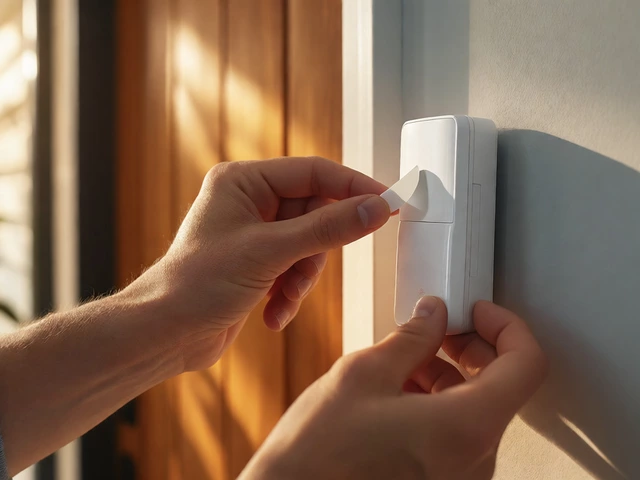
- Go Monitored: Unmonitored alarms rely on neighbours. Monitored systems send signals to a central station that verifies the breach and calls the police. This removes the "wait and see" hesitation.
- Add Visual Deterrents: Combine your alarm with CCTV cameras and motion-sensor lights. ProtectUK recommends external active bell boxes with flashing lights. These make the alarm feel more serious and harder to ignore.
- Cover All Entry Points: Ensure sensors cover front doors, back doors, and ground-floor windows. A burglar who enters through an unprotected point won’t trigger the alarm until they are inside, giving them a head start.
- Maintain the System: False alarms annoy neighbours. If your alarm goes off every Tuesday because of a draft, people stop caring. Keep batteries fresh and sensors clean.
Also, consider the layout. If your property is isolated, a local siren might go unheard. In dense urban areas, the noise carries well, increasing the likelihood of a witness calling the police. In rural settings, monitoring is almost essential because you cannot rely on passersby.
The Verdict: Will They Run?
So, do burglars run away if they hear an alarm? Yes, about half of them will abandon the attempt immediately upon hearing it. Another 60% will avoid your house entirely if they see the signage beforehand. But for the remaining group, the alarm is just an obstacle to overcome.
Think of your alarm as a layer of security, not a wall. It increases the perceived risk. It attracts attention. It slows down the thief. And often, that is enough. The goal isn’t necessarily to catch the burglar red-handed; it’s to make robbing your home too risky, too loud, and too stressful to be worth the trouble. For most opportunistic thieves, a screaming siren is the signal to move on to the next house down the street.
Do police respond to all burglar alarms?
No. Most police forces require verification before responding to an audible alarm. This usually means a monitoring service confirms the intrusion or a witness calls 999. Unmonitored alarms rarely trigger an immediate police dispatch unless someone reports suspicious activity.
Can burglars disable a home alarm?
Yes. Experienced burglars may cut wires, use spray foam to muffle sirens, or smash external strobe lights. However, modern wireless systems and monitored services make disabling harder. Cutting power or lines often triggers a separate alert to the monitoring centre.
Is a visible alarm box effective even if I don't have a system?
It can act as a psychological deterrent. Studies show that the mere presence of an alarm box reduces target selection by up to 60%. However, if a burglar suspects it is fake, they may test it. Combining a dummy box with actual signs of security, like cameras or lighting, improves effectiveness.
What percentage of alarm calls are false?
Between 94% and 98% of alarm activations are false positives. Common causes include pets, open windows, wind, or faulty sensors. This high rate contributes to police prioritizing verified alarms over automatic dialler calls.
Do smart alarms scare burglars more than traditional ones?
Not necessarily. The volume and visibility matter more than the technology. However, smart alarms allow homeowners to listen in via app and warn the intruder verbally, which can add a psychological element of being watched that traditional sirens lack.