Parents want to feel safe. When your baby sleeps in another room, it’s natural to wonder if you’re doing enough to protect them. That’s why baby monitors - especially those that track heart rate and oxygen levels - have exploded in popularity. Brands like Owlet, MonBaby, and Baby Vida promise peace of mind, telling you your baby is breathing fine even when you’re not in the room. But here’s the hard truth: for healthy babies, these devices don’t prevent SIDS, and they often do more harm than good.
What Baby Monitors Actually Do
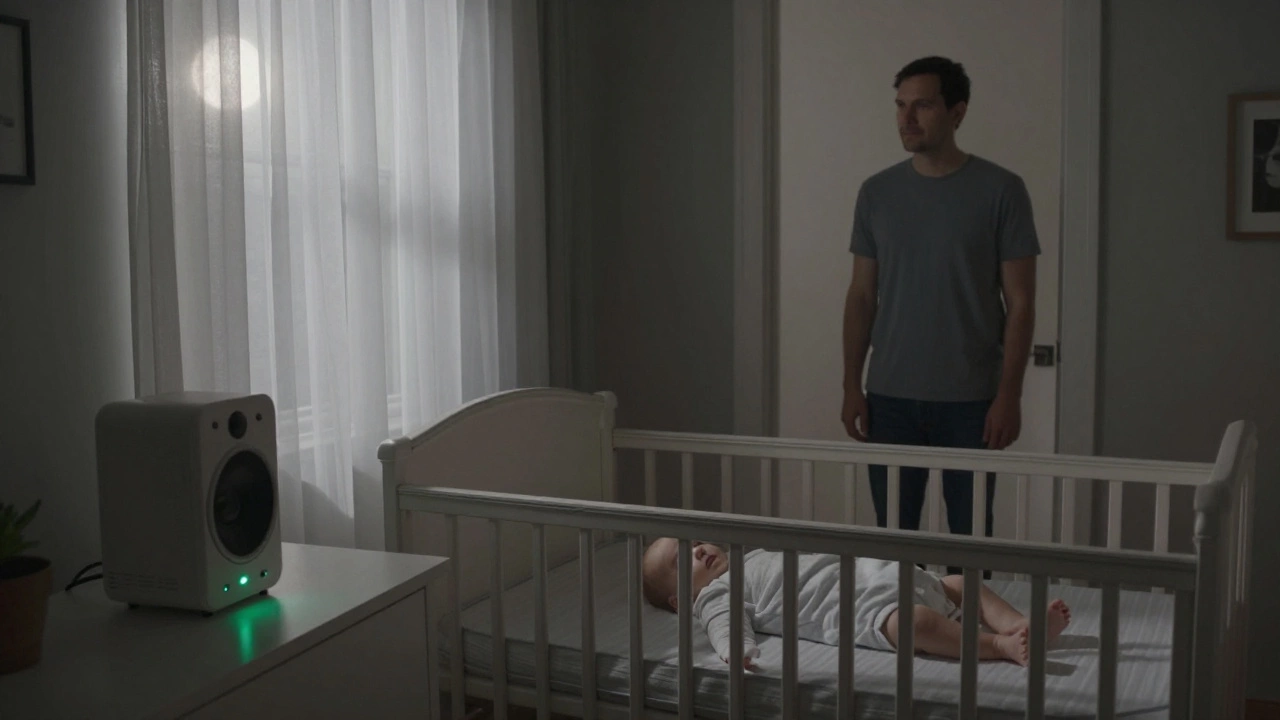
There are two main types of baby monitors. The first is simple: audio or video monitors. These let you hear or see your baby. They’re like a window into the nursery. You hear a cough, see a twitch, or notice your baby has rolled over. That’s useful. Many parents find comfort in knowing their child is okay without being right next to them. The second type is what’s called a physiological monitor. These are the ones with wristbands or socks that claim to track heart rate and oxygen levels. They beep if something seems off. They’re marketed as life-saving tools. Ads show happy parents sleeping while their baby glows with a green light on the app. But behind the marketing, the science tells a very different story.The Real Risk: False Alarms
One of the biggest problems with these high-tech monitors is how often they get it wrong. A major study led by Dr. Chris Bonafide at Children’s Hospital of Philadelphia found that these devices trigger false alarms far too often. In one case, a baby was rushed to the ER because the monitor said their oxygen level was dangerously low. When doctors checked, the baby was perfectly healthy. That’s not rare. In fact, the study showed that these devices frequently report abnormal readings when the baby’s vitals are completely normal. Why does this happen? The sensors aren’t designed like medical equipment. They’re consumer gadgets. They can slip off, get tangled in blankets, or misread skin tone. A baby’s tiny movements - even just shifting in sleep - can throw off the data. And when the alarm goes off? Parents panic. They rush to the crib. They shake their baby awake. They call 911. One study found that 32% of families reported poor device performance. Six percent stopped using it because it caused more stress than comfort.No Evidence It Prevents SIDS
If you’re buying a monitor because you’re scared of SIDS - sudden infant death syndrome - you’re being misled. The American Academy of Pediatrics (AAP) is clear: there is no evidence that any home monitor reduces the risk of SIDS. Not one. Not Owlet. Not MonBaby. Not Baby Vida. The AAP has stated this repeatedly since 2022. These devices are not medical tools. They’re not FDA-approved as such. That means no independent testing is required to prove they work. Dr. Elizabeth E. Foglia, a neonatologist at CHOP, put it bluntly: “We have no evidence now that these devices are safe, accurate, or effective.” That’s not a cautious statement. It’s a warning. And it’s backed by other major institutions, including the ECRI Institute, which found no publicly available data showing these monitors can accurately measure vital signs.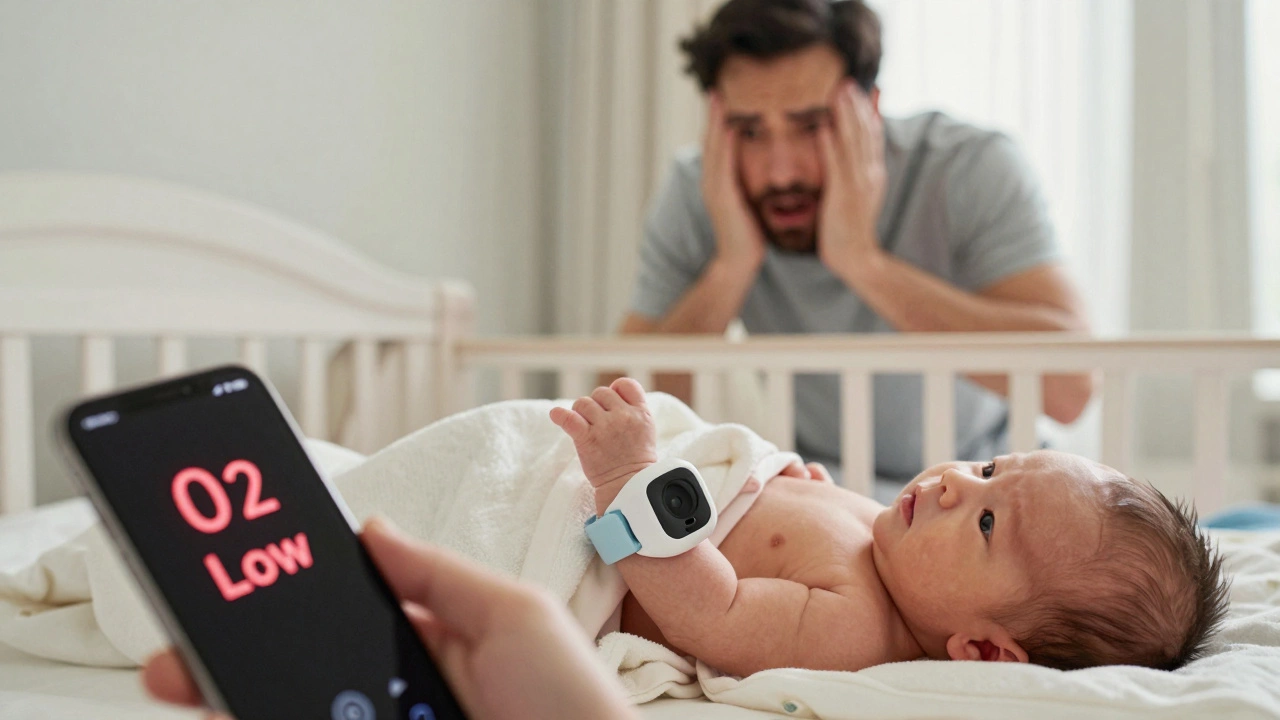
They Can Make Anxiety Worse
It sounds counterintuitive, but monitors designed to reduce anxiety often increase it. When the device works, parents feel better. But when it glitches - and it often does - they spiral. One parent described waking up every 15 minutes because the monitor kept beeping. Another said their baby cried for 20 minutes because the monitor malfunctioned and they didn’t realize it was broken. A third reported their baby overheated because the device’s camera got too hot. A 2025 study analyzing hundreds of parent reviews found that nearly one in five families said they planned to stop using their monitor because it caused more stress than relief. Some parents reported losing sleep, feeling guilty, or doubting their instincts because the monitor said their baby was “abnormal.” That’s dangerous. Your instincts matter more than a blinking light on a screen.False Reassurance Is Just as Dangerous
Here’s another hidden risk: false reassurance. If a monitor says everything is fine, parents might skip safe sleep practices. They might let the baby sleep on their stomach. They might add extra blankets because “the monitor will tell me if something’s wrong.” But monitors don’t prevent suffocation. They don’t stop a baby from rolling into a pillow. And they don’t replace the AAP’s proven recommendations: back to sleep, bare crib, no loose bedding, room-sharing without bed-sharing. The AAP says the best way to reduce SIDS risk is simple: use a firm mattress, keep the crib empty, and keep the baby in the same room as you for the first year. No device changes that. Relying on a monitor instead of following these steps puts your baby at greater risk.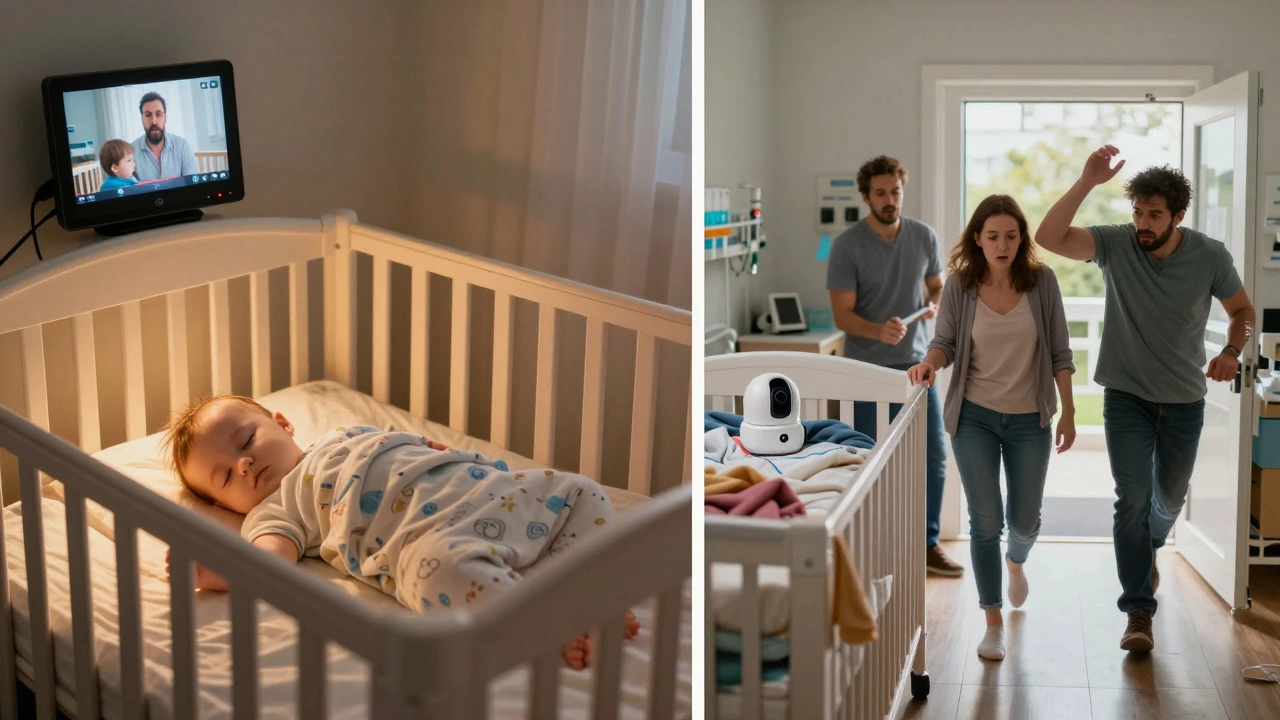
Who Actually Benefits?
There’s one group that does benefit from these monitors: babies with serious medical conditions. If your child was born prematurely, has a heart condition, or spent time in the NICU, your doctor may recommend a monitor. In those cases, it’s part of a care plan - not a luxury item. Even then, it’s usually a medical-grade device, not a consumer gadget sold online. For healthy babies? The data says no. The cost? $150 to $300. The risk? False alarms, sleepless nights, unnecessary ER trips, and eroded confidence in your own parenting. That’s not peace of mind. That’s a financial and emotional gamble.What Should You Do Instead?
If you want to feel safer, here’s what actually works:- Use a basic audio or video monitor - no sensors needed.
- Follow AAP safe sleep guidelines: back to sleep, bare crib, room-sharing.
- Keep your baby’s sleep environment cool and quiet.
- Check on your baby naturally - don’t rely on a screen.
- Trust your instincts. If something feels off, go check.
Are baby monitors worth it for healthy babies?
For healthy babies, no. High-tech monitors that track heart rate and oxygen levels don’t prevent SIDS, often give false alarms, and can increase parental anxiety. Basic audio or video monitors are enough to help you stay connected without the risks.
Do baby monitors reduce the risk of SIDS?
No. The American Academy of Pediatrics states there is no scientific evidence that any home monitor reduces the risk of SIDS. The best way to prevent SIDS is by following safe sleep practices: placing the baby on their back, using a firm mattress, and keeping the crib free of blankets and toys.
Why are baby monitors not FDA-approved?
Manufacturers avoid FDA regulation by not claiming their devices diagnose, treat, or prevent disease. Because of this loophole, these monitors are sold as wellness products, not medical devices. That means they don’t have to prove accuracy, safety, or reliability before being sold to the public.
Can baby monitors cause harm to babies?
Yes. False alarms can lead to unnecessary stress, disrupted sleep for both baby and parent, and even dangerous actions like shaking a baby awake or rushing to the ER. In rare cases, devices have overheated or malfunctioned, directly affecting a child’s safety. Poor performance was reported in over 30% of user reviews.
What’s the best alternative to a high-tech baby monitor?
A simple audio or video monitor, combined with safe sleep practices. Keep your baby in the same room as you for the first year, use a firm mattress, avoid loose bedding, and check on them naturally. Your presence and attention matter more than any sensor.