Smart Home Starter Kit Finder
Not sure where to begin? Answer two quick questions to find your ideal first smart device.
Remember the hype cycle of 2015? Everyone was talking about fully automated houses where lights turned on when you walked in and your fridge ordered milk. Fast forward to October 2026, and the landscape looks different. You might be wondering if the smart home craze has fizzled out or if it’s still a viable investment for your house. The short answer is yes, smart homes are still popular, but the definition of "popular" has shifted dramatically. We aren’t seeing universal adoption of every gadget under the sun; instead, we’re seeing a mature market where people buy specific tools that solve real problems.
The data backs this up. According to Parks Associates, the number of U.S. internet households owning at least one smart-home device rose fivefold over the last decade, hitting 45% in 2025. Another survey by the Association for Smarter Homes & Buildings (ASHB) found even higher numbers, with 59% of respondents reporting adoption in 2025. This isn’t a niche hobby anymore. It’s mainstream. But here’s the twist: while ownership is up, the average number of devices per household actually dropped from a pandemic peak of 8 down to 6.2. People aren’t buying more stuff; they’re buying better stuff.
From Gadget Collectors to Problem Solvers
Why did the device count drop? Because consumers got tired of complexity. Early adopters often bought incompatible gadgets that required five different apps just to turn on a light. Today’s buyers are smarter. They prioritize reliability over novelty. A 2025 Vivint survey revealed that 85% of homeowners have at least one smart device, but the most common ones are practical: smart TVs (58%), smart speakers (38%), and thermostats (29%). These aren’t flashy toys; they’re utilities.
This shift reflects a broader trend toward smart home security and energy management. People want their homes to save money and keep them safe. For instance, 38% of users value real-time alerts, while 33% care about remote access. Only 12% said they wanted artificial intelligence features. That’s telling. Consumers don’t care about AI buzzwords; they care if their door lock works when their phone battery dies.
| Feature/Benefit | Percentage of Users Valuing It |
|---|---|
| Ease of Use | 54% |
| Real-Time Alerts | 38% |
| Battery Backup | 36% |
| Remote Access | 33% |
| Voice/App Control | 33% |
| AI Features | 12% |
The Interoperability Breakthrough: Matter Protocol
If you’ve ever tried to make an Amazon Echo talk to a Philips Hue bulb via Apple HomeKit, you know the pain of fragmented ecosystems. This fragmentation was the biggest killer of smart home enthusiasm for years. Enter Matter, a new standard developed by the Connectivity Standards Alliance and backed by giants like Amazon, Apple, Google, and Samsung. Matter aims to let devices work across platforms without locking you into one company’s walled garden.
Matter 1.5, released in late 2025, expanded support to cameras, closures, and energy management systems. This is huge for security and efficiency. However, implementation isn’t perfect yet. Community reports indicate that early Matter devices sometimes struggle with pairing issues, especially when involving Thread Border Routers. Some users reported failure rates as high as 50% with certain new products during initial rollout phases. So, while Matter is the future, it’s currently a work in progress. If you’re buying today, check compatibility carefully rather than assuming the logo guarantees seamless integration.
Security Risks vs. Convenience Benefits
With great connectivity comes great vulnerability. Smart home security isn’t just about cameras watching your driveway; it’s about protecting your digital front door. NIST research highlights that many users accept privacy risks in exchange for convenience. Participants in recent studies viewed voice assistants as the most problematic category due to microphone concerns, while feeling more confident about thermostats and locks.
You need to treat your smart home like any other network. NIST recommends strong, unique passwords, multifactor authentication, and automatic updates. Ideally, place your IoT devices on a separate guest network so a hacked lightbulb doesn’t give a hacker access to your laptop. Despite these risks, adoption continues because the benefits-like leak detection sensors saving thousands in water damage or video doorbells deterring porch pirates-are tangible. The key is balancing convenience with basic cyber hygiene.
Cost and Complexity: The New Barriers
What’s stopping people from going all-in? Money and hassle. ASHB data shows cost remains a barrier for 46% of current owners and 52% of non-owners. It’s not just the upfront price of devices; it’s the subscription fees for cloud storage and monitoring services. Plus, there’s the "app fatigue." Nearly 20% of homeowners cite having too many apps as a reason to avoid adding more devices.
Installation difficulty is another hurdle. Parks Associates found that 52% of DIY users experienced setup or connectivity problems. If you’re not tech-savvy, hiring a professional might be worth it. About 44% of owners used professional installation at least once. Don’t underestimate the time sink. Setting up a single plug takes minutes; configuring a whole-home system with Zigbee, Wi-Fi, and Thread can take hours.
Who Is Actually Buying Smart Tech?
Demographics play a big role in who adopts smart tech. Households with children are significantly more likely to own smart devices-63% compared to 37% of child-free households. Why? Safety and convenience. Parents use baby monitors, smart locks to prevent kids from wandering out, and cameras to check on pets. Younger generations lead the charge: 96% of Gen Z and 93% of millennials have at least one smart device. Older adults are adopting technology specifically for aging-in-place features, such as automated lighting and fall detection sensors.
Market forecasts remain bullish despite the cooling of hype. Grand View Research estimates the global smart home market at $162.8 billion in 2025, projecting growth to nearly $887 billion by 2033. This growth isn’t driven by everyone buying everything; it’s driven by replacement cycles and service subscriptions. Utilities are pushing smart thermostats for grid stability, and insurers offer discounts for smart leak detectors. The ecosystem is expanding beyond consumer gadgets into essential home infrastructure.
Practical Advice for Buyers in 2026
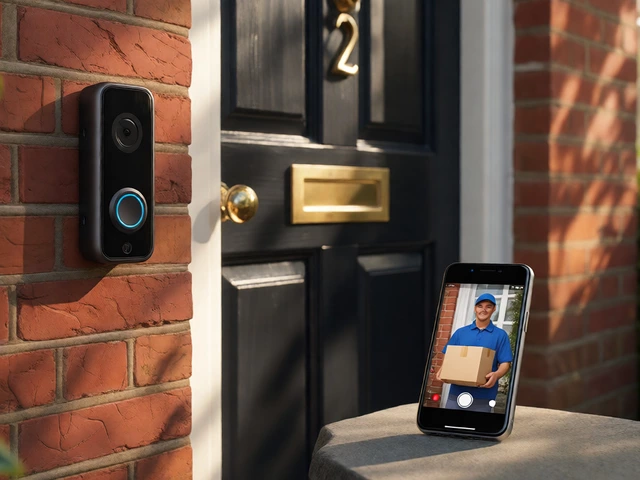
So, should you jump in? Yes, but be strategic. Start with one problem you want to solve. Do you forget to turn off the heat? Get a smart thermostat. Worried about package theft? Install a video doorbell. Want lower energy bills? Try smart plugs with energy monitoring.
- Pick a primary ecosystem: Choose between Alexa, Google Home, or Apple Home based on what you already use. Stick to it initially to reduce app clutter.
- Check protocols: Look for devices supporting Matter, Thread, or Zigbee for better interoperability and local control options.
- Read the fine print: Check if the device requires a monthly subscription for full functionality. Many cameras charge for cloud storage.
- Secure your network: Change default passwords immediately and enable two-factor authentication on all accounts.
- Keep manual overrides: Ensure critical devices like locks and thermostats have physical controls in case Wi-Fi goes down.
The smart home of 2026 isn’t about futuristic gimmicks. It’s about reliable, secure, and useful tools that integrate quietly into daily life. Enthusiasm hasn’t died; it’s just gotten serious. And honestly, that’s exactly what we needed.
Is it worth investing in a smart home in 2026?
Yes, if you focus on specific needs like security, energy savings, or convenience. The market has matured, meaning devices are more reliable and interoperable standards like Matter are improving cross-brand compatibility. Avoid buying random gadgets; choose products that solve clear problems.
Do smart home devices increase electricity bills?
Generally, no. While devices consume standby power, smart thermostats and lighting automation typically save more energy than the devices themselves use. Studies show net positive energy savings for most households using smart climate control.
What is the Matter protocol?
Matter is a universal standard allowing smart home devices to work together regardless of brand. Backed by Apple, Amazon, Google, and Samsung, it aims to eliminate the need for multiple hubs and apps, though early implementations may still have minor connectivity quirks.
Are smart home devices safe from hackers?
They carry some risk, similar to any internet-connected device. Security depends on user behavior: using strong unique passwords, enabling multi-factor authentication, keeping firmware updated, and placing devices on a separate network significantly reduces vulnerability.
Which smart home category is most popular?
Entertainment and security lead adoption. Smart TVs, speakers, and displays are the most common entry points, followed closely by video doorbells and smart locks. Thermostats and lighting are also widely adopted for their utility in reducing costs.