Alarm System Recommendation Tool
Answer a few questions to find the perfect security architecture for your space.
Your Recommended System
--
Why this fits you:
- Please complete the quiz to see results.
Select your preferences and click "Find My Ideal System" to see the recommendation.
Quick Summary: Which one fits your needs?
- Wired Systems: The gold standard for reliability and life safety, but requires professional installation and permanent wiring.
- Wireless Systems: Perfect for renters and DIY enthusiasts who want a fast setup and app-based control.
- Hybrid Systems: The versatile choice for homeowners retrofitting an old wired system with new wireless tech.
When we talk about the "three main types" of alarms, we aren't talking about what they do-since most can detect fire, smoke, or intruders-but how they communicate. The difference comes down to how the sensor on your window tells the control panel in your hallway that something is wrong.
The Rock-Solid Reliability of Wired Alarm Systems
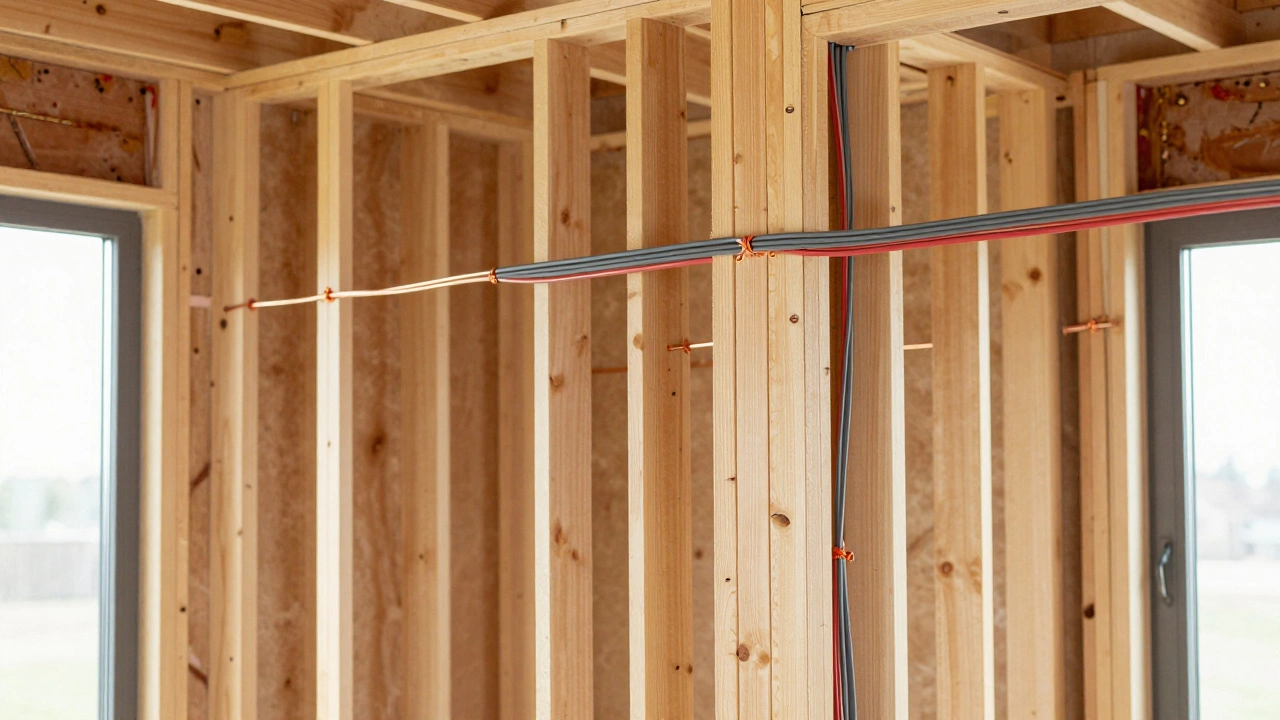
A Wired Alarm System is a security architecture where every sensor and siren is physically connected to a central control panel via copper wiring. Think of it like the plumbing in your house; once the pipes (or wires) are in the walls, they aren't going anywhere.
These systems typically use 18-22 gauge wire and operate on 12-24V DC power. Because they don't rely on radio waves, they are virtually immune to the interference that plagues wireless gadgets. In fact, industry testing shows they hit a 99.99% uptime rate. This is why you'll find them in high-stakes environments, like the Willis Tower in Chicago, where a signal failure isn't just an inconvenience-it's a safety risk.
The trade-off is the installation. You can't just "plug and play" a wired system. It requires drilling through studs and running cables through attics. For a standard 2,000-square-foot home, this can take up to 24 hours of professional labor. However, you get the peace of mind that no one can "jam" your signal with a device, and you never have to climb a ladder to change a battery in a ceiling sensor.
The Flexibility of Wireless Alarm Systems
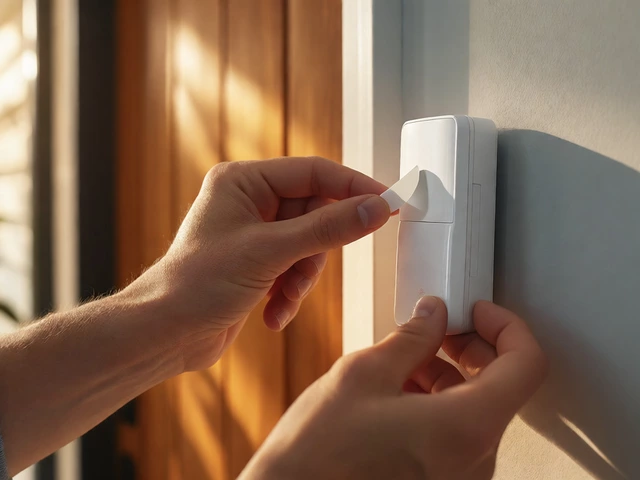
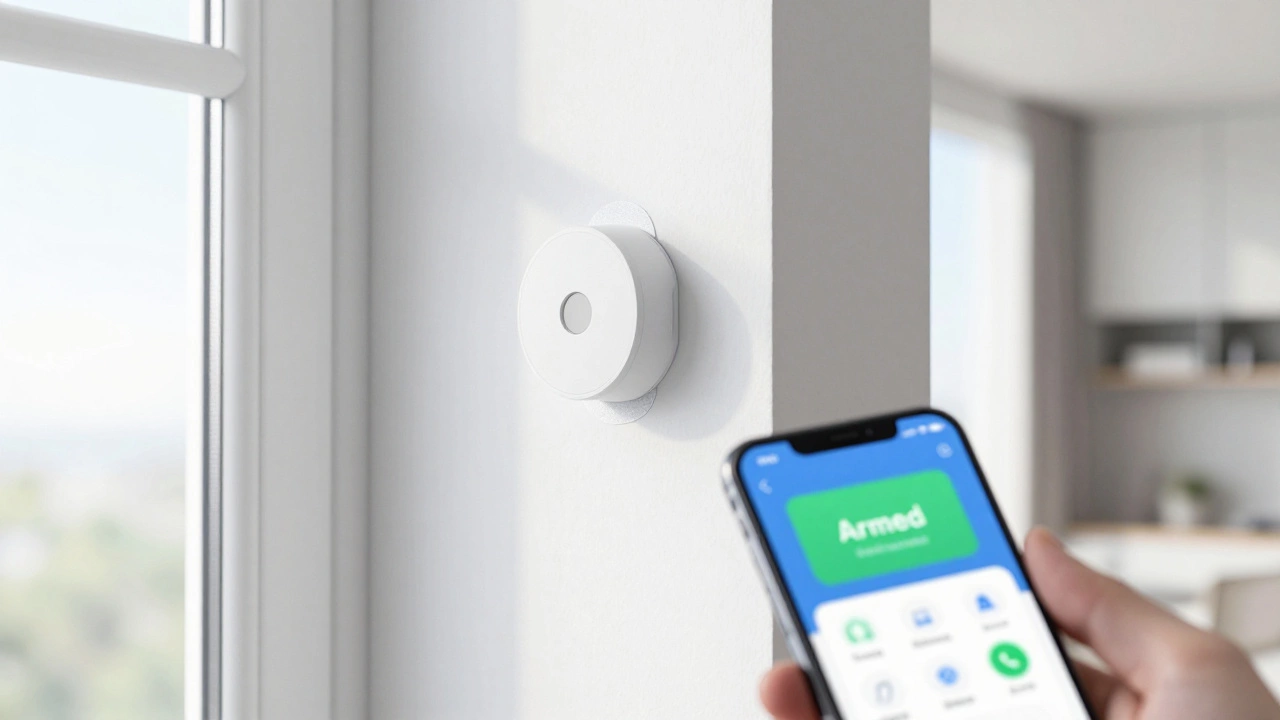
On the opposite end of the spectrum is the Wireless Alarm System, which is a security solution that uses radio frequencies to communicate between sensors and the hub without physical cabling. If you've used a Ring Alarm or an ADT Command IQ, you've used this technology.
These systems operate on frequencies like 345 MHz or 915 MHz and often integrate with Wi-Fi 6E or Z-Wave for smart home connectivity. The biggest draw here is speed. Most users can get their entire home protected in under two hours without a single drill bit. It's the ideal choice for renters who can't modify their walls or people who want to move their sensors around as their needs change.
But there's a catch: batteries and interference. Since there's no wire to carry power, you're relying on lithium batteries that typically last 3 to 5 years. While that sounds like a long time, if you have 20 sensors, you'll be changing batteries constantly. There's also the risk of signal "packet loss." In crowded apartment buildings where dozens of Wi-Fi networks overlap, wireless signals can occasionally glitch, leading to a slightly higher false alarm rate compared to wired setups.
The Best of Both Worlds: Hybrid Alarm Systems
A Hybrid Alarm System is a versatile security platform that supports both hardwired connections for critical zones and wireless sensors for flexible expansion. It's essentially a bridge between the two previous worlds.
Imagine you bought a house that already has old-school wired sensors in the basement and garage. Instead of ripping everything out, you install a hybrid panel like the DMP XR550. You keep the reliable wired connections for your main entry points but add wireless motion detectors to the upstairs bedrooms where running new wires would be too expensive.
This approach is gaining massive traction in multi-dwelling units and hospitals. For instance, many medical facilities use wired systems for life-safety zones but deploy wireless patient monitoring in other areas. While hybrid systems are more complex to program-often requiring a pro to ensure the wired and wireless components talk to each other correctly-they offer a reliability rate of around 99.95%, nearly matching pure wired systems while remaining far more flexible.
| Feature | Wired Systems | Wireless Systems | Hybrid Systems |
|---|---|---|---|
| Installation Effort | High (Professional) | Low (DIY) | Medium |
| Reliability | 9.2/10 | 8.3/10 | 8.7/10 |
| Average Cost | $1,200 - $3,500 | $800 - $2,200 | $1,500 - $4,000 |
| Maintenance | Low (No batteries) | High (Battery swaps) | Medium |
| Signal Integrity | Immune to RF jam | Susceptible to interference | Balanced |
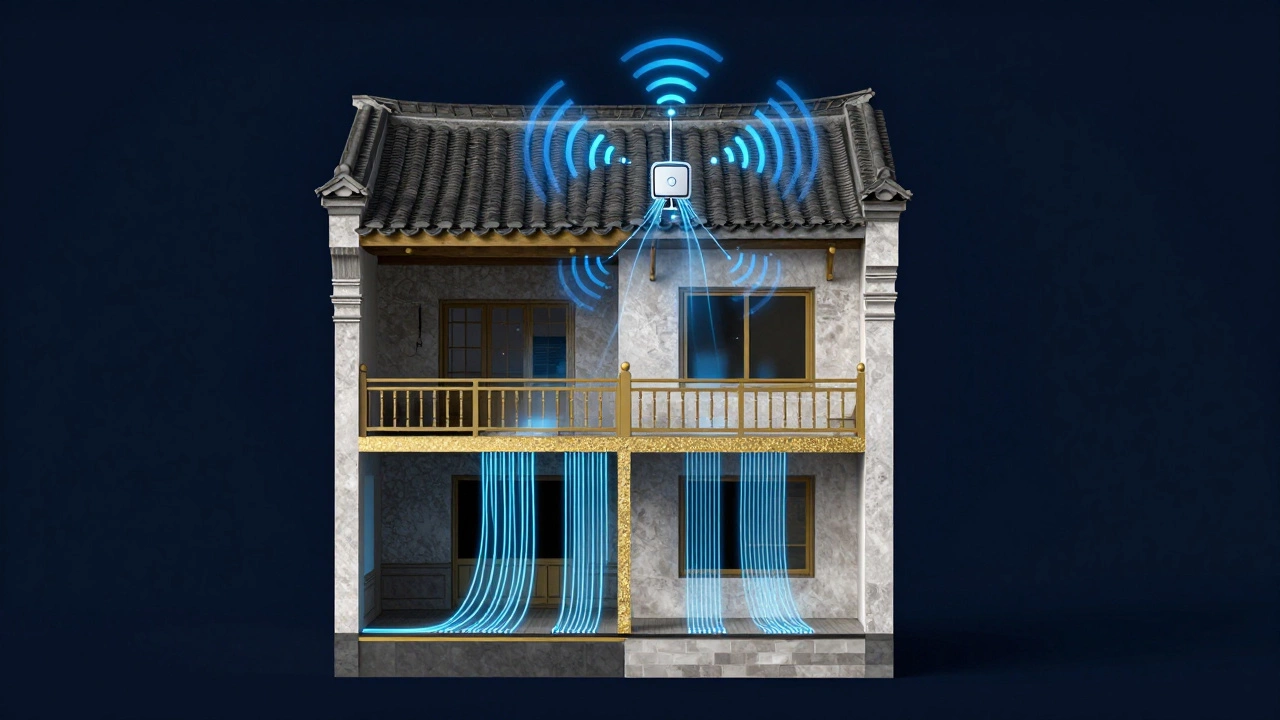
Making the Right Choice for Your Space
So, how do you actually decide? It usually comes down to three factors: your budget, your building's structure, and your tolerance for maintenance.
If you are building a new home from scratch, go wired. The National Association of Home Builders notes that nearly 90% of new constructions now include wired infrastructure. It adds value to the home and removes the headache of future battery changes. If you're in a rental or want something you can set up this afternoon, wireless is the winner. Just be prepared for the occasional "low battery" alert on your phone.
For those renovating an older property, the hybrid route is the smartest move. It saves you from the nightmare of tearing open your drywall to replace 20-year-old copper wires while still giving you the modern app-based control and cloud monitoring that current technology offers.
Can a wireless alarm be jammed?
Yes, it is technically possible. Some studies have shown that signal jammers can disrupt frequencies like 345MHz. However, modern high-end wireless systems use AES-128 encryption and "frequency hopping" to make this much harder for an intruder to achieve in a real-world scenario.
Do wired alarms work during power outages?
Yes. Per NFPA 72 standards, wired systems include battery backups that typically provide 24 to 72 hours of operation if the main power grid fails. This makes them highly reliable during storms or intentional power cuts by intruders.
Which system has the most false alarms?
Statistically, wireless systems tend to have a slightly higher false alarm rate (around 18%) compared to wired systems (12%). This is usually due to signal interference or batteries dying, which the system may misinterpret as a sensor trigger.
Is a hybrid system harder to maintain?
It's slightly more complex during the initial setup because you're managing two different communication methods. However, once it's programmed, the day-to-day maintenance is similar to a wireless system-you only have to worry about batteries for the wireless components.
Do I need a professional for a wired installation?
Almost always. Due to the need for drilling, cable routing, and adherence to electrical codes (like the International Building Code), professional installation is strongly recommended to ensure the system is safe and effective.
Next Steps and Troubleshooting
If you're still unsure, start by auditing your property. Walk through your home and mark where you want sensors. If those spots are easily accessible via an attic or crawlspace, a wired system is viable. If you're staring at reinforced concrete walls, stick to wireless or hybrid.
For those already owning a system and experiencing issues: if your wireless sensors are dropping offline, check for new electronic devices nearby (like a new microwave or powerful router) that might be causing signal interference. If your wired system is triggering randomly, it's likely a corroded wire or a loose connection at the panel-time to call in a certified technician.