Ring Free vs. Paid Feature & Cost Calculator
| Feature | Free Tier | With Subscription |
|---|---|---|
| Live Video Streaming | Included | Included |
| Two-Way Talk Audio | Included | Included |
| Motion Alerts (App) | Included | Included |
| Video Recording & History | Not Available | Cloud Storage (up to 60 days) |
| Professional Monitoring | Not Available | 24/7 Emergency Response |
| Cellular Backup | Not Available | Included in Pro Plans |
| Advanced AI (Face ID, Packages) | Not Available | Included in Premium Tiers |
Buying a Ring security system often feels like buying a gym membership. You pay for the equipment upfront, but the real utility is locked behind a monthly fee. The short answer to whether you can use Ring without paying that fee is yes. Your hardware will turn on, connect to Wi-Fi, and perform basic tasks. However, "using" it comes with significant limitations that change how effective your security actually is.
If you are looking at best video doorbells or alarm systems in 2026, understanding the free tier is crucial. It determines if Ring fits your budget or if you need to look elsewhere. This guide breaks down exactly what works for free, what stops working, and how to make the most of your device without opening your wallet every month.
What Works Free: The Core Features
Even without a Ring Protectsubscription plan, your devices remain active tools for immediate interaction. The hardware does not brick itself; it simply reverts to its base functionality. Here is what you keep:
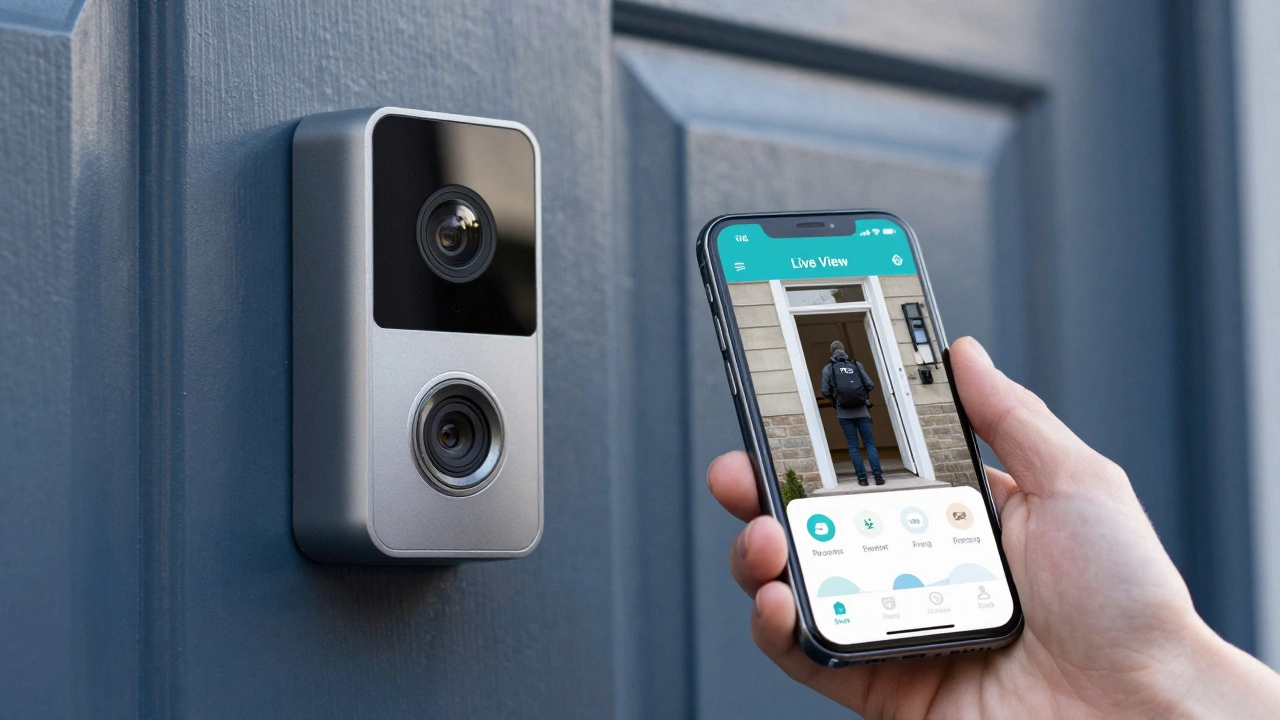
- Live View: You can open the app and see what your camera sees in real-time. This is the most valuable free feature. If you hear a knock, you tap the screen and talk to the person standing there.
- Two-Way Talk: Audio works both ways. You can shout warnings or give delivery instructions without any monthly cost.
- Motion Alerts: When someone walks into the detection zone, your phone buzzes. You know something happened.
- Device Health Monitoring: You get notifications if your battery is low or if the Wi-Fi drops, ensuring you know when the device goes offline.
For many users, this is enough. If you only care about seeing who is at the door right now, you do not need to pay. But security is rarely just about the present moment. It is usually about evidence.
What You Lose: The Subscription Wall
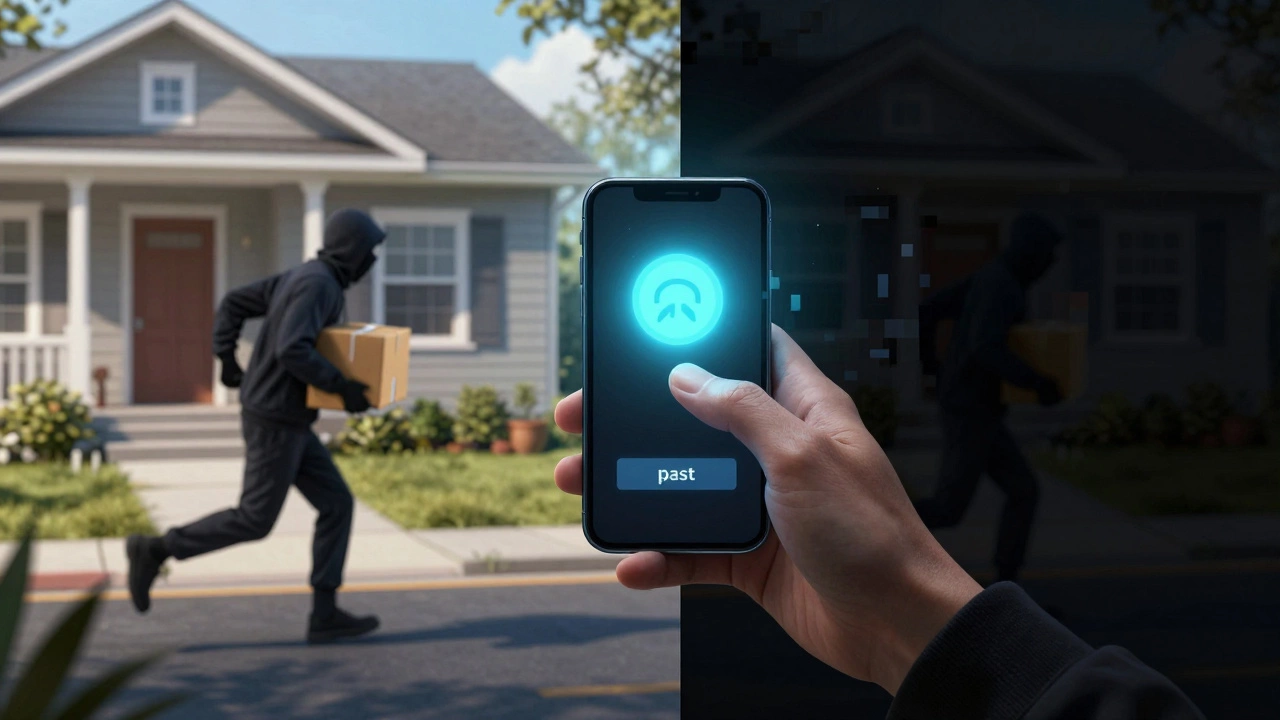
The moment an event passes, the free tier hits a wall. Without a plan, Ring cameras and doorbells do not record anything. No cloud storage, no snapshots, no history. If a package thief runs past while you are in the shower, you might get an alert, but by the time you check your phone, the moment is gone. There is no video clip to show the police or your insurance company.
This limitation extends to Ring Alarmhome security system as well. While the base station still triggers sirens locally, the critical safety nets disappear:
- No Professional Monitoring: In 2026, professional monitoring requires a paid plan. Without it, the alarm relies entirely on you receiving a push notification and calling emergency services yourself.
- No Cellular Backup: If your internet goes down during a break-in, an unsubscribed Ring Alarm cannot call for help. It becomes a loud noise maker with no connection to the outside world.
- Limited Smart Home Integration: Some Alexa routines and advanced automations tied to security states require a subscription to function fully.
In the UK, where prices sit around £4.99 to £15.99 per month depending on the tier, skipping this saves money but removes the "insurance" aspect of the system. In the US, where plans start at $4.99 and go up to $20.00 for full protection, the gap between "free" and "secure" is even wider.
| Feature | Free Tier | With Subscription |
|---|---|---|
| Live Video Streaming | ✓ Included | ✓ Included |
| Video Recording & History | ✗ Not Available | ✓ Cloud Storage (up to 60 days) |
| Professional Monitoring | ✗ Not Available | ✓ 24/7 Emergency Response |
| Cellular Backup | ✗ Not Available | ✓ Included in Pro Plans |
| Advanced AI (Face ID, Package Detection) | ✗ Not Available | ✓ Included in Premium Tiers |
How to Maximize Ring Without Paying
If you decide to stick with the free tier, you have to change how you use the device. You cannot rely on passive recording; you must be active. Here is how to make a non-subscribed setup work:
- Configure Motion Zones Aggressively: Since you won't have video history to review false alarms, reduce noise. Draw tight zones around your door or driveway so passing cars don't trigger alerts. This ensures that when your phone buzzes, it matters.
- Enable Instant Notifications: Go into your settings and ensure push notifications are set to high priority. You need to react immediately because there is no replay button.
- Use Linked Device Alerts: Set up rules so that if one motion sensor trips, all other lights or cameras activate. This creates a coordinated response without needing cloud processing.
- Treat It as a Deterrent: The visible presence of a Ring camera often stops crime before it starts. Even without recording, the device signals that the homeowner is tech-savvy and connected.
However, remember that this approach puts the burden of response on you. If you are asleep, out of range, or your phone dies, your security system effectively does nothing.
Alternatives to Ring Subscriptions
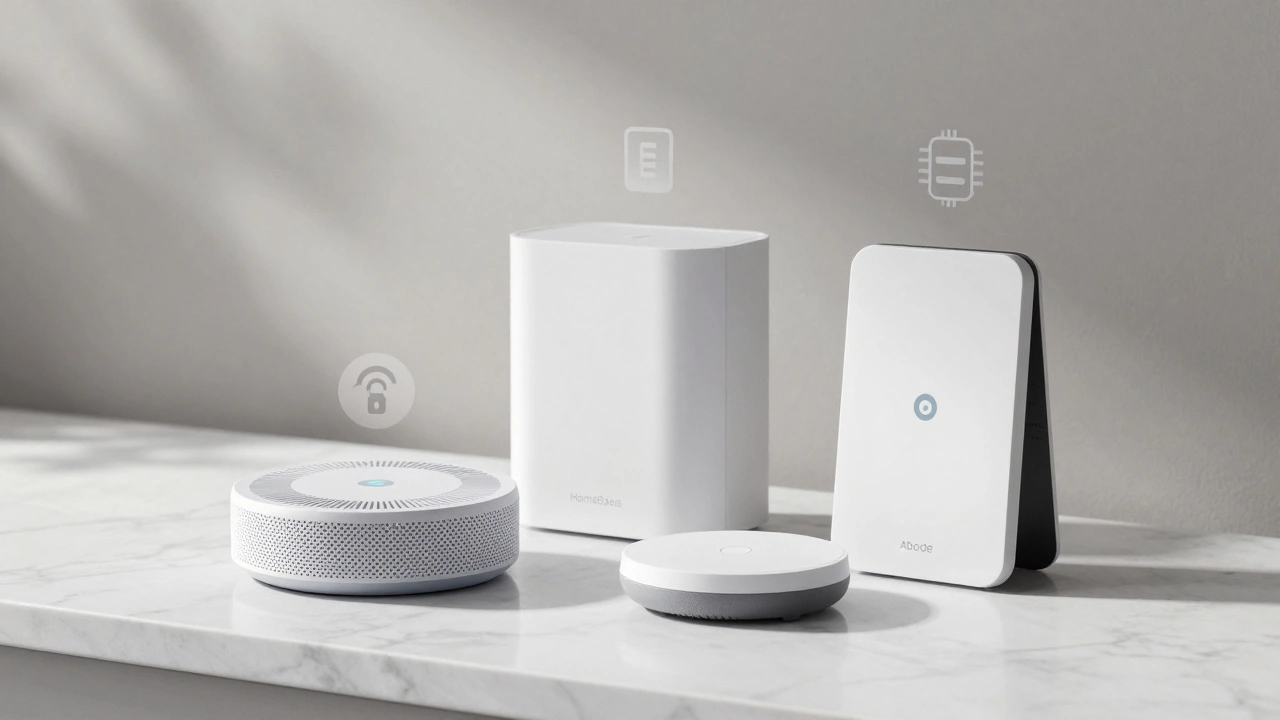
If the recurring cost of Ring Protect feels wrong, you are not alone. Many users switch to brands that prioritize local storage over cloud fees. Two main competitors stand out in 2026:
Eufysecurity brand by Anker offers doorbells and cameras that store video on a local HomeBase hub. You pay once for the hardware, and you get unlimited recording forever. There are no monthly fees. The trade-off is that you manage the storage yourself, and remote access features may be slightly less polished than Ring's cloud ecosystem.
Abodesmart home security platform provides a hybrid model. Their hardware often includes a built-in siren and cellular backup, and they offer flexible plans that can be cheaper over three years compared to Ring's mandatory monitoring fees. Abode allows for more local automation, which appeals to users who want control without being locked into a specific cloud provider.
When comparing total cost of ownership, Ring's hardware might be cheaper upfront, but after two years of subscriptions, Eufy or Abode often come out ahead financially for users who want recorded evidence.
Is Ring Worth It Without a Plan?
It depends on your definition of security. If you view your doorbell as a smart intercom with a camera, Ring is excellent without a subscription. The Live View quality is high, the app is stable, and the two-way audio is clear. For renters who move frequently or people who just want to see who is delivering pizza, the free tier delivers value.
But if you need proof of a break-in, package theft, or property damage, the free tier is insufficient. You cannot file an insurance claim with a missing video. You cannot hand a suspect description to police based on a memory of a push notification. In those cases, the subscription isn't a luxury; it's the core product.
For alarm systems specifically, using Ring without professional monitoring is risky. Losing cellular backup means a cut wire or router failure leaves you vulnerable. Unless you are comfortable self-monitoring 24/7, a subscription is practically mandatory for true peace of mind.
Does Ring work without Wi-Fi?
No. All Ring devices require a stable Wi-Fi connection to function. They do not have built-in cellular data. If your internet goes down, your Ring cameras go offline, and your Ring Alarm cannot send alerts unless you have a Ring Alarm Pro kit with a built-in eero router and a separate cellular backup subscription.
Can I use an SD card with Ring instead of a subscription?
Most Ring doorbells and cameras do not support local SD card storage for video history. Unlike some competitors, Ring pushes users toward their cloud-based Ring Protect plans for recording. A few specific models like the Ring Stick Up Cam Battery support microSD cards, but this feature is limited and not available across the entire lineup.
How much does Ring Protect cost in 2026?
In the US, Ring Protect Basic starts at $4.99/month for one device. The Standard plan is around $10/month, and the Premium plan with professional monitoring is approximately $20/month. In the UK, prices range from £4.99 to £15.99 per month depending on the level of coverage and monitoring included.
Will Ring stop working if I cancel my subscription?
No. Your hardware continues to work. You will still get live video, motion alerts, and two-way talk. However, you will lose access to past recordings, and new events will not be saved to the cloud. Your existing videos may be deleted after a grace period, depending on Ring's current retention policy for cancelled accounts.
Is Ring Alarm safe without professional monitoring?
It is less safe. Without professional monitoring, the system relies on you to receive alerts and call emergency services manually. If you miss the notification, are asleep, or lose power/Wi-Fi, no one is alerted. Professional monitoring ensures that trained operators contact authorities on your behalf, even if you are unavailable.