Ring Alarm Pet Compatibility Checker
Enter your pet's details below to determine the best Ring Motion Sensor sensitivity setting and installation tips.
Pet Details
Recommendation
Please enter your pet's information and click "Check Compatibility" to see results.
You just bought a Ring home security system, you’re feeling secure, and then your cat jumps on the kitchen counter. The siren screams. You panic. Your neighbors peek out their windows. Sound familiar?
The short answer is yes, Ring works with pets, but it’s not magic. It requires setup. If you leave everything on default settings, your dog will likely trigger the alarm every time he chases his tail. But if you tweak the sensitivity and place sensors correctly, Ring can keep your home safe without punishing your furry friends. Plus, they have new tools specifically for lost pets that go beyond just keeping them inside.
How Ring Motion Sensors Handle Animals
Most people worry about false alarms because they’ve heard horror stories about vacuum cleaners or curtains triggering sirens. Ring uses Passive Infrared (PIR) technology in its motion detectors. This tech doesn’t see shapes; it sees heat signatures moving across the room. The good news? These sensors are designed to ignore small heat sources.
According to technical specs and community testing, Ring’s motion sensors have configurable sensitivity levels. At the Medium setting, the sensor typically ignores animals weighing up to 30 pounds (about 13.6 kg). If you switch to the Low sensitivity setting, that threshold bumps up to roughly 50 pounds (22.7 kg). This covers most cats and small-to-medium dogs. However, this isn’t a hard rule. It depends heavily on where the animal moves and how fast.
| Sensitivity Level | Pet Weight Threshold | Best For |
|---|---|---|
| High | No pet immunity | Homes with no pets or rooms pets never enter |
| Medium | Up to ~30 lbs (13.6 kg) | Cats and small dogs staying near the floor |
| Low | Up to ~50 lbs (22.7 kg) | Larger dogs or multiple pets |
The Placement Problem: Why Cats Break Alarms
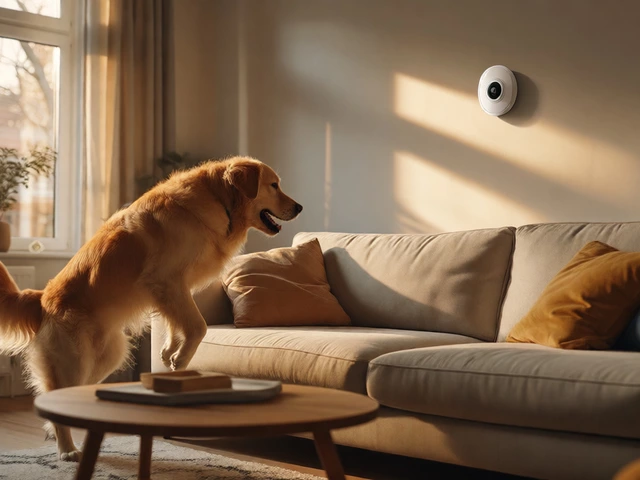
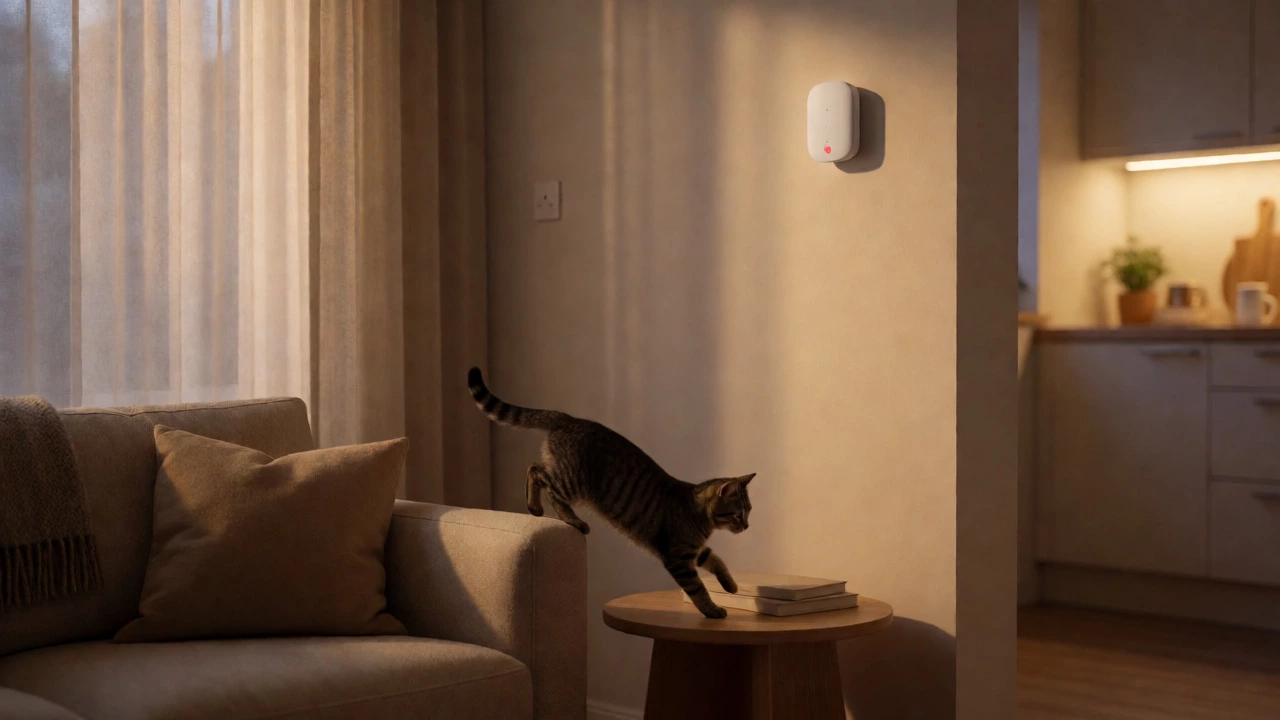
Here is the catch. The weight limit assumes the pet stays low to the ground. PIR sensors detect changes in infrared energy within a specific cone of vision. If your 10-pound cat jumps onto a high bookshelf or a couch right next to the sensor, it enters the detection zone. Suddenly, that "pet-friendly" sensor sees a warm blob moving at eye level and triggers the alarm.
Professional installers often recommend mounting motion detectors at about 7.5 feet (2.3 meters) high and angling them slightly downward. This aims the sensor at doorways and hallways-places humans walk-while leaving the floor space relatively clear. If you aim the sensor directly at a pet bed or a favorite climbing tree, you’re asking for trouble. Community forums are full of users who solved this by simply shifting the angle or using contact sensors on doors instead of motion sensors in pet-heavy rooms.
Configuring Pet Mode in the App
You don’t need a technician to fix this. You can adjust these settings yourself in the Ring app. Go to Devices, select your Alarm Base Station, and choose the specific Motion Detector. Look for Motion Settings. You’ll see options for Low, Medium, and High detection.
Don’t guess. Test it. Arm the system while you are home. Let your pet roam the area covered by the sensor. Walk around like a human. If the alarm goes off when your dog walks past, drop the sensitivity to Low. If it still goes off, consider relocating the sensor or excluding that room from "Home Mode" arming. Home Mode allows you to arm perimeter sensors (like door/window contacts) while disabling interior motion sensors, which is perfect for nights when pets are free-roaming inside.
Beyond Alarms: The Ring Pet Tag and Profiles
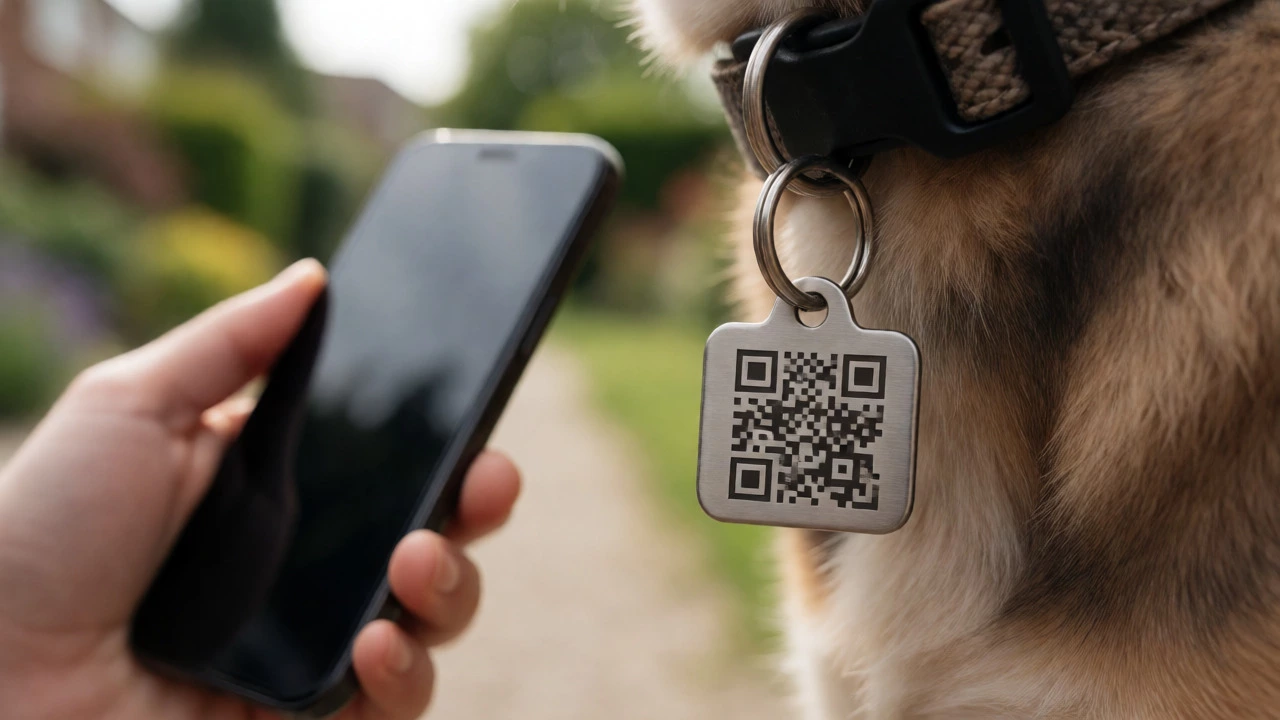
Keeping pets inside is half the battle. What happens if they get out? Ring recently expanded into pet safety hardware with the Ring Pet Tag. This isn’t a GPS tracker. It’s a physical metal ID tag with a QR code that links to a digital profile in the Ring app.
When someone finds your lost dog, they scan the QR code with their smartphone camera. They don’t even need the Ring app installed. They see a Lost Pet Flyer with your contact info, the pet’s name, and any medical alerts you’ve set up. This bridges the gap between a static ID tag and a smart home ecosystem.
The software side includes Search Party. When you mark a pet as lost in the app, you can launch a Search Party. This sends alerts to nearby Ring users in your neighborhood, turning your community into a search team. It’s opt-in for neighbors, so not everyone participates, but it adds a layer of visibility that traditional collars lack.
Limitations You Should Know
Ring isn’t a dedicated pet tracking company. The Pet Tag has no battery and no GPS. If your cat wanders into a dead zone with no Ring users, the tag relies purely on a stranger scanning it. It’s passive recovery, not active tracking.
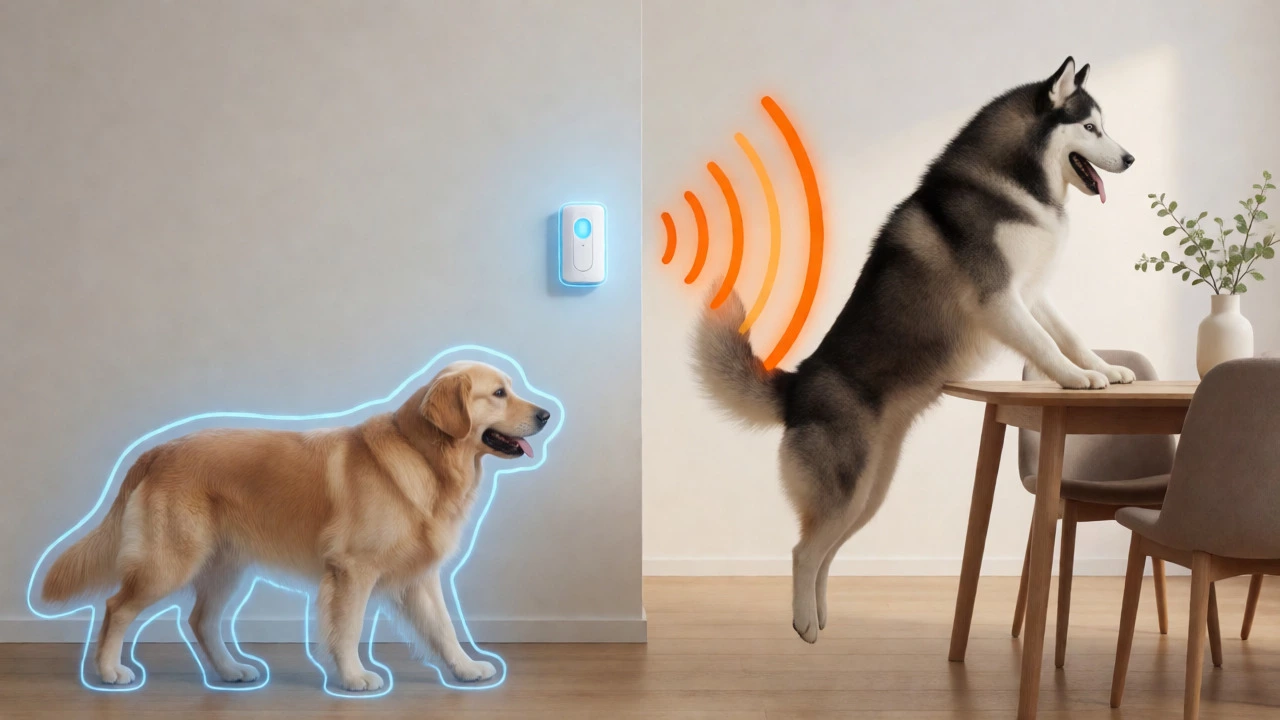
Also, large breeds over 50 pounds will almost certainly trigger standard motion sensors unless you use specialized pet-immune sensors from other brands or carefully zone your house. And remember, no system is foolproof. An energetic husky jumping on a table during a thunderstorm might still trip a sensor, regardless of settings.
Key Takeaways
- Yes, it works: Ring Alarm is compatible with pets under 30-50 lbs depending on sensitivity settings.
- Placement matters: Mount sensors high and angled down to avoid catching pets on furniture.
- Test before trusting: Always calibrate sensitivity by walking your pet through the detection zone.
- Recovery tools: Use Ring Pet Tags and Search Party features for lost pet identification, not real-time GPS tracking.
- Use Home Mode: Disable interior motion sensors at night to prevent false alarms from roaming pets.
Will my dog set off the Ring Alarm?
It depends on the size of your dog and the sensitivity setting. Dogs under 30 pounds usually won't trigger the alarm on Medium sensitivity. Dogs under 50 pounds may be ignored on Low sensitivity. Larger dogs or dogs that jump onto furniture will likely trigger the sensor unless you adjust placement or disable that specific sensor in Home Mode.
Is the Ring Pet Tag a GPS tracker?
No. The Ring Pet Tag is a QR-code-based ID tag. It does not have batteries or GPS capabilities. It connects a physical collar tag to a digital profile in the Ring app, allowing finders to contact you via a smartphone scan, but it does not track your pet's location in real-time.
How do I stop my cat from triggering the alarm?
First, lower the motion sensor sensitivity to Low in the Ring app. Second, ensure the sensor is mounted high (around 7.5 feet) and angled downward so it doesn't cover elevated surfaces like shelves or couches where cats climb. Finally, consider using Door Contact Sensors for entry points and relying on those rather than motion sensors in rooms where your cat spends most of its time.
Can non-Ring users help find my lost pet?
Yes. If someone finds your pet wearing a Ring Pet Tag, they can scan the QR code with their phone's camera. They do not need to have the Ring app installed. The scan opens a web page showing your Lost Pet Flyer with your contact information and any special instructions you've added.
What is Ring Search Party?
Search Party is a feature within the Ring app that lets you broadcast a missing pet alert to neighbors in your Ring community. When enabled, nearby Ring users receive notifications about your lost pet, helping to mobilize local volunteers to look for your animal. It integrates with the Pet Profile created for your pet.