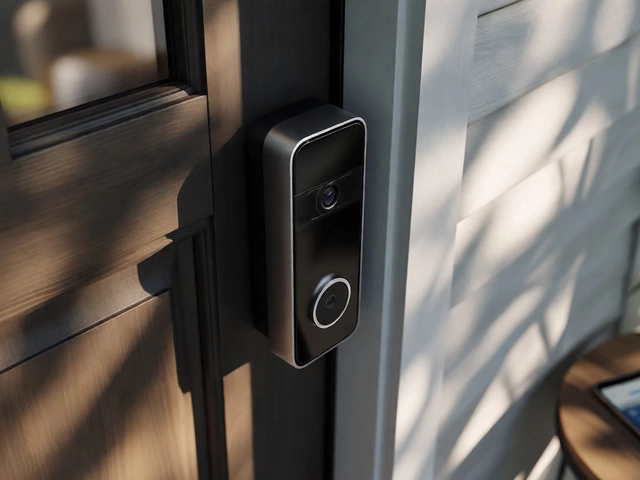
Battery Camera vs Wired: Which Is Right for Your Home?
When you’re picking a security camera, the biggest decision often comes down to power: battery camera, a wireless camera powered by rechargeable or replaceable batteries, commonly used for easy installation and flexibility or a wired camera, a surveillance device that draws continuous power through a physical cable, often connected to a power source or PoE network. It’s not just about convenience—it’s about reliability, maintenance, and whether your camera will still work when you need it most. If your front door camera dies during a storm, or your backyard camera cuts out because the Wi-Fi is slow, you’re left with zero protection. That’s why choosing the right power source matters more than you think.
Wired cameras are the steady ones. They don’t need charging. They don’t quit because the temperature dropped. They run off a constant power line, usually through a cable that also carries video data (like PoE). That means they’re perfect for spots where you can run a wire—like under an eave, near a doorbell transformer, or beside a garage outlet. They’re also better for high-resolution video and continuous recording because they’re not limited by battery life or Wi-Fi bandwidth. But here’s the catch: if you don’t have easy access to power, installation gets messy. Drilling holes, running cables through walls, hiring an electrician—none of that is quick or cheap. On the flip side, battery camera, a wireless camera powered by rechargeable or replaceable batteries, commonly used for easy installation and flexibility lets you stick it anywhere. No wires. No drills. Just peel, stick, and go. Great for renters, temporary setups, or spots where running power is impossible. But they need regular checks. A battery might last 3 months—or 3 weeks—if you have motion alerts going off every 10 minutes. And if your camera relies on Wi-Fi to send footage, a weak signal means delayed alerts or no remote access at all.
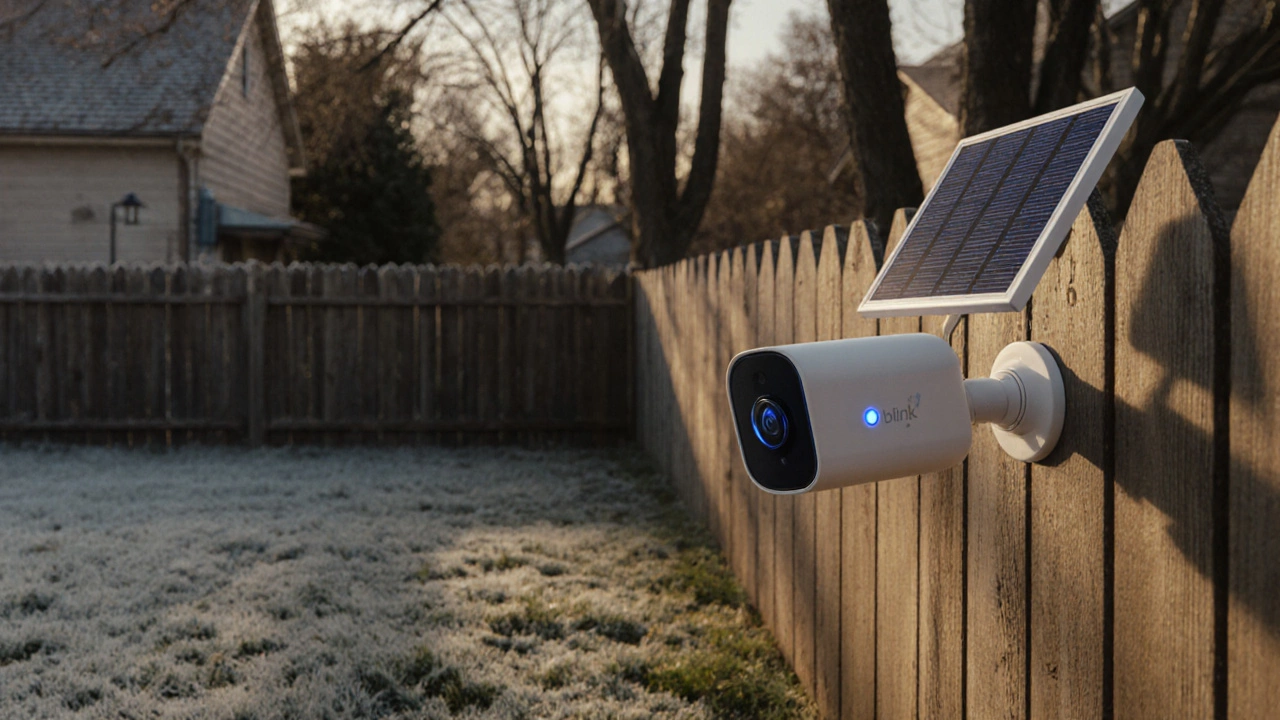
It’s not just about power—it’s about what happens when things go wrong. A wired camera might keep running during a power outage if you’ve got a backup system. A battery camera? It’ll keep going… until the battery dies. And then you’re stuck. Some battery cameras now include solar panels, but those only help in sunny areas. Others have cellular backups, but those cost extra. Meanwhile, wired cameras connected to a network video recorder (NVR) can store footage locally, meaning even if the internet goes down, your video is still safe. That’s why many people end up mixing both: wired cameras for critical spots like the front door or garage, and battery cameras for temporary or hard-to-reach areas like a shed or backyard fence. You don’t have to pick one. You just need to know what each one can and can’t do.
Looking at the posts below, you’ll find real-world breakdowns of exactly how these systems perform. From how much Wi-Fi data a battery camera eats each month, to whether a wired camera needs a junction box, to what happens when the internet cuts out—every question you’ve had is answered here. No fluff. No marketing hype. Just what actually works in UK homes. Whether you’re trying to avoid subscription fees, cut monthly costs, or just make sure your camera doesn’t die in the middle of the night, you’ll find the facts you need to make the right call.