UK Neighbor Camera Privacy Risk Assessor
Describe Your Situation
Answer these questions to determine your privacy exposure level.
Ready to Assess
Select your situation on the left and click "Assess My Privacy Risk" to see your legal standing and recommended actions.
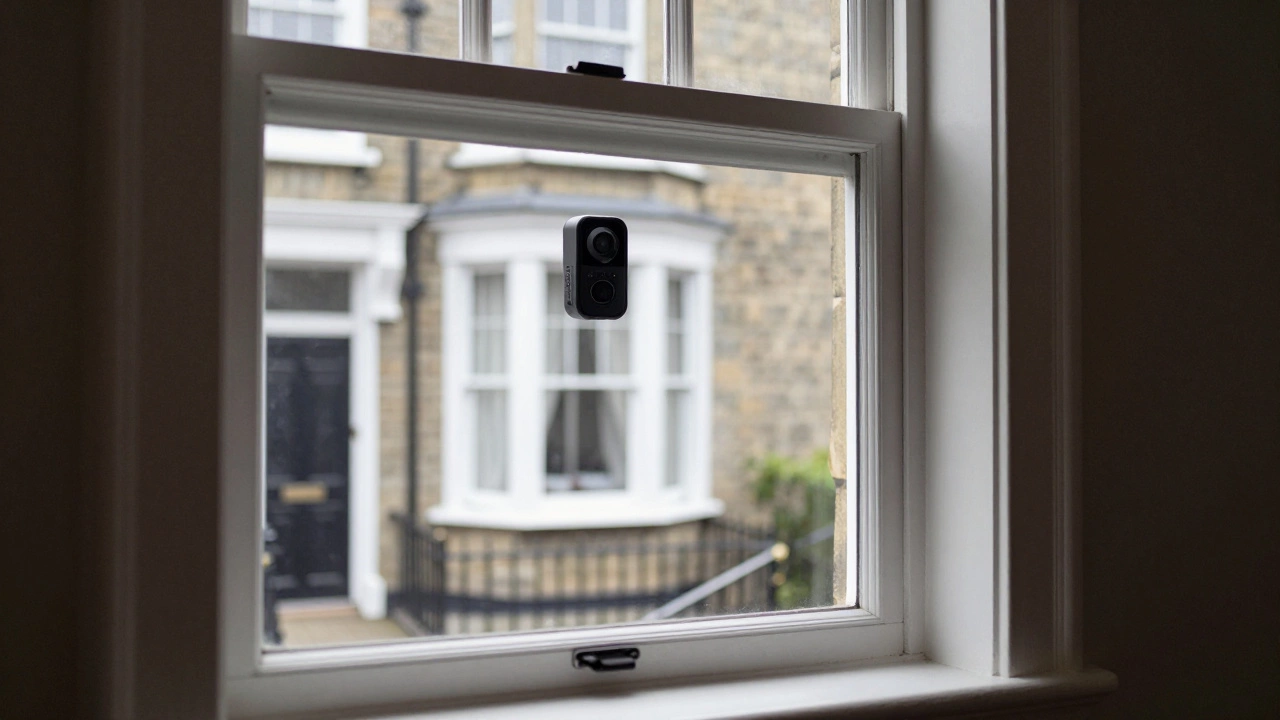
Have you ever looked out your window and felt that unsettling prickling on the back of your neck? You spot a small black device mounted on your neighbor’s porch, lens pointed vaguely in your direction. It’s a Ring camera, a popular internet-connected video doorbell that records motion and audio, storing clips in the cloud for later viewing. You know it captures their doorstep, but does it capture your living room? Does it hear your conversations? The short answer is: technically, yes, it can. Legally, however, there are strict boundaries regarding what they are allowed to record and keep.
This is a growing concern across the UK. As more households install these devices, disputes over sightlines and privacy creep up regularly. If you suspect your neighbor’s device is peering into your private space, you need to understand both the technical capabilities of the hardware and your legal rights under British law. Let’s break down exactly how much exposure you might have and what steps you can take to protect your peace of mind.
The Technical Reality: Line of Sight Is Everything
To understand if your interior is being recorded, you first have to look at physics, not just software. A standard Ring doorbell or outdoor camera uses a wide-angle lens designed to cover a broad area around the owner’s entrance. These lenses typically offer a field of view between 150 and 160 degrees horizontally. This means the camera isn’t just looking straight ahead; it is capturing everything to the left and right within that arc.
If your house shares a fence line with your neighbor, or if your front windows face directly toward their driveway, the camera has a clear physical path to see inside. Light reflects off objects inside your home-your sofa, your TV screen, even people walking past-and travels through the glass to hit the camera sensor. Unless something blocks that light, the image is captured.
Here is where distance matters. Consumer-grade cameras like those from Ring are not high-powered telescopes. They struggle with detail beyond 15 to 20 feet. However, if your homes are close together, which is common in many UK terraced streets or semi-detached neighborhoods, that distance is easily bridged. If you can stand on their sidewalk and see into your own open window, their camera likely sees it too, often with better clarity because the lens stays steady while you move.
Audio presents an even bigger challenge. Sound waves travel further and bend around obstacles that block vision. Even if the camera cannot visually penetrate your closed curtains, its microphone might still pick up raised voices, music, or arguments coming from an open window or thin walls. By default, most Ring devices record audio alongside video whenever motion is detected. This means a casual chat in your garden could be uploaded to the cloud without you knowing.
UK Law and Your Right to Privacy
Now comes the tricky part: just because they *can* see you, doesn’t mean they *should*. In the United Kingdom, privacy rights are governed by a mix of common law and statutory regulations, primarily the Human Rights Act 1998 and the Data Protection Act 2018 (which incorporates the GDPR).
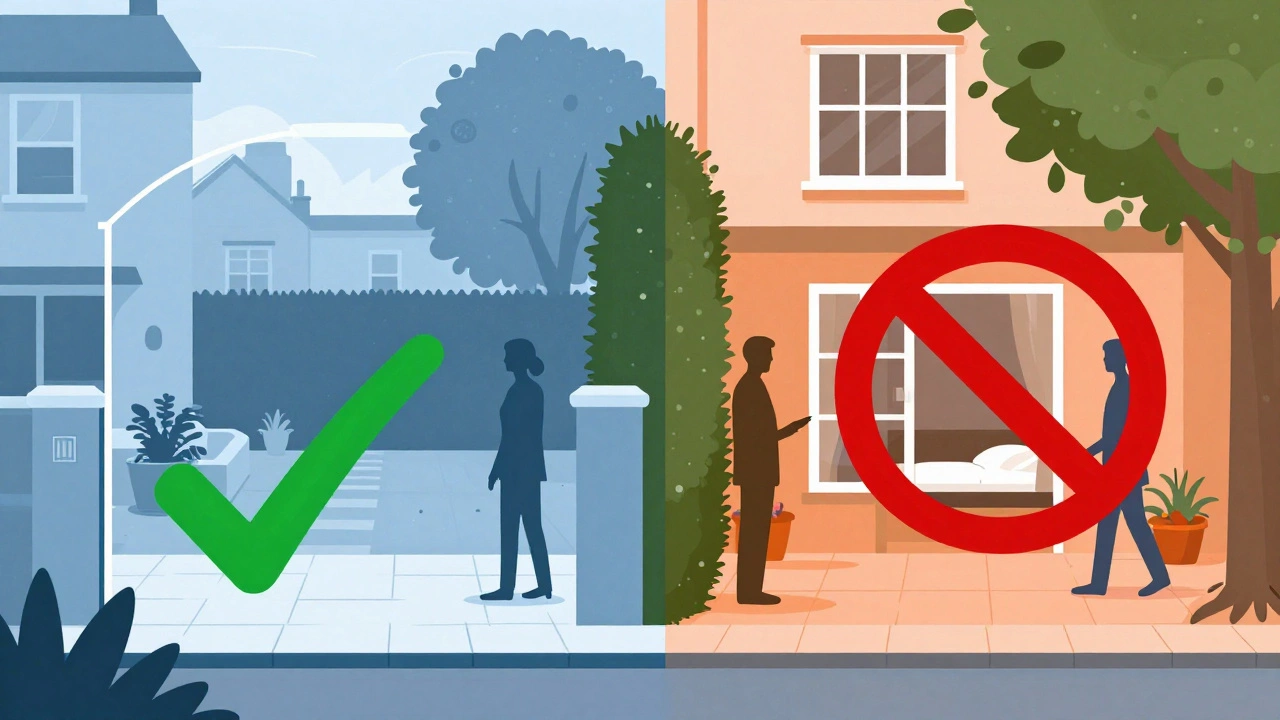
The core concept here is the "reasonable expectation of privacy." Courts generally agree that you do not have a reasonable expectation of privacy in areas visible from public spaces. If your front yard is open to the street, or your ground-floor window faces a public pavement, neighbors filming that area are usually acting within their rights. They are essentially doing digitally what any passerby could do with their eyes.
However, things change drastically when the camera targets enclosed, private spaces. Pointing a camera specifically at a bathroom window, a bedroom, or a secluded backyard patio where you expect to be unseen crosses a legal line. Under the Human Rights Act Article 8, everyone has the right to respect for their private and family life. Deliberately surveilling these areas can constitute harassment or an invasion of privacy.
You should also consider the Investigatory Powers Act 2016. While this act mostly targets state agencies, it reinforces the principle that interception of communications (including audio) requires justification. Recording private conversations inside your home without consent may violate wiretapping laws, depending on the specific circumstances and whether the audio was intended for public consumption.
| Area Type | Visibility Level | Legal Status of Recording |
|---|---|---|
| Front Garden / Driveway | Visible from street/sidewalk | Generally permissible |
| Open Front Window | Visible from public vantage point | Usually permissible |
| Bathroom / Bedroom Window | Not visible from public road | Likely illegal/intrusive |
| Enclosed Backyard | Hidden by fences/hedges | Invasion of privacy if targeted |
| Interior Audio | Captured via microphone | Risky; potential wiretap violation |
What Can You Do About It?
Finding out your neighbor might be watching your home is stressful, but panic rarely solves the problem. Start with a calm, direct conversation. Many people install these cameras purely for package theft prevention and never realize their angle captures your kitchen table. They might not even know the audio is on.
When you talk to them, focus on the solution rather than accusation. Ask if they can adjust the camera angle slightly downward or inward. Most Ring devices allow owners to physically tilt the lens. You can also suggest they use "Privacy Zones" within the Ring app. This feature lets users black out specific rectangular areas of the video feed. If they set a privacy zone over your window, that part of the frame will be blurred in all recordings, effectively deleting that data before it is stored.
If they refuse to cooperate, or if the camera is clearly aimed at a sensitive area like a bathroom, you have other options. First, document the issue. Take photos showing the camera’s position relative to your property. Note dates and times when you feel observed. This evidence is crucial if you need to escalate the matter.
In the UK, you can contact your local council. Many local authorities have anti-social behavior teams that handle neighborhood disputes involving surveillance equipment. If the camera violates planning permission-for example, if it was installed on a listed building without approval-the council can force its removal.
You can also raise a complaint with the Information Commissioner’s Office (ICO). The ICO regulates how personal data is processed. If your neighbor is collecting biometric data (your face) or recording your private life excessively, it may breach data protection principles. The ICO can investigate and issue enforcement notices if necessary.
Physical Solutions to Reclaim Your Privacy
Sometimes, diplomacy fails. If your neighbor is uncooperative, you must take control of your own environment. Here are practical, immediate steps to block their view without damaging relationships or breaking laws.
- Install Smart Blinds: Motorized blinds can be programmed to lower automatically during certain hours or when motion is detected outside. This gives you visual privacy while still letting light in.
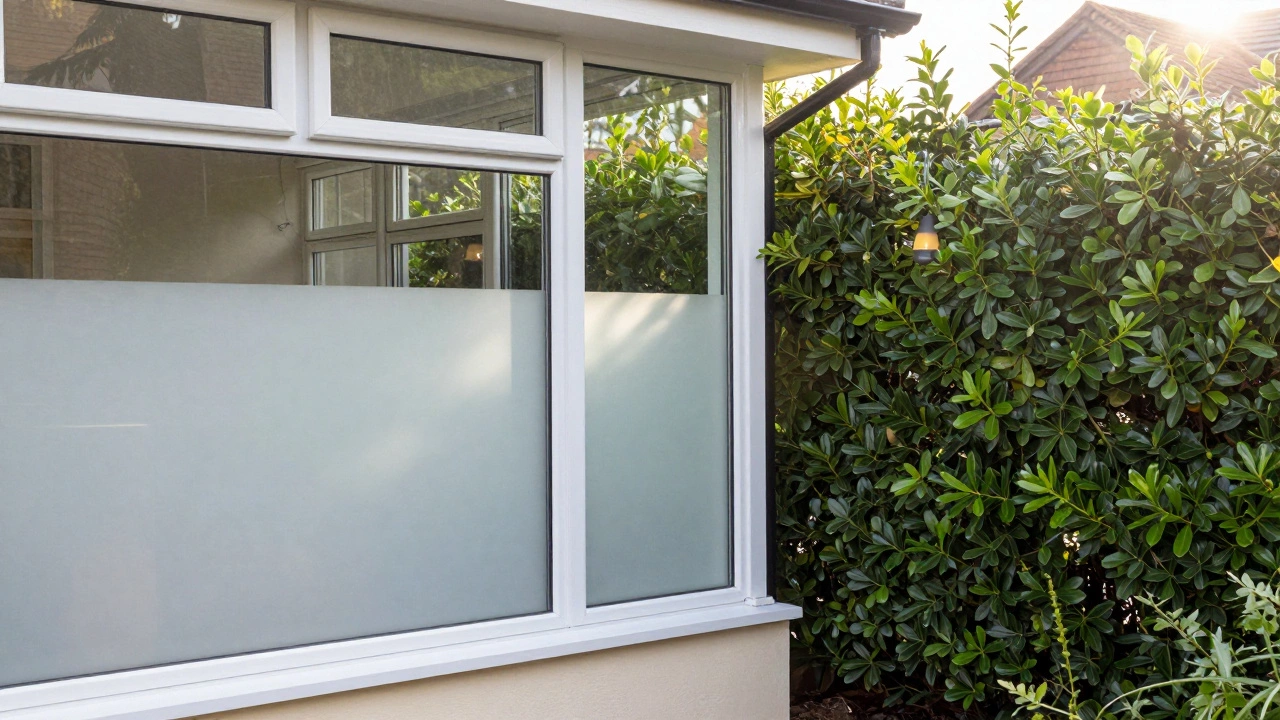
- Use Frosted Film: Apply static-cling frosted window film to the lower half of your windows. This allows natural light to enter but obscures the view from the outside. It is cheap, reversible, and effective.
- Plant Strategic Greenery: Fast-growing hedges like Leylandii or bamboo (in containers to control roots) can create a natural barrier. Ensure they are tall enough to block the line of sight from the camera’s mounting height.
- Adjust Lighting: Cameras struggle with glare. Positioning a bright outdoor light near your window can cause the camera’s auto-exposure to wash out the interior details, making it harder to see inside.
Avoid painting your windows black or boarding them up unless absolutely necessary, as this can affect property value and aesthetics. Instead, aim for solutions that maintain your quality of life while denying the camera useful data.
Understanding Data Retention and Sharing
One major fear is that your neighbor is saving years of footage of your daily routine. Fortunately, Ring does not store video indefinitely by default. Free users typically get a limited preview, while subscribers to Ring Protect plans can choose retention periods ranging from 30 days to 180 days. After this period, the footage is deleted from Amazon’s servers.
However, the real risk lies in sharing. Ring offers a feature called "Neighbors," a community app where users can share alerts and video clips about local crime. If your neighbor accidentally captures you doing something embarrassing-or worse, something illegal-they could theoretically share that clip. While Amazon prohibits sharing content that invades privacy, moderation is reactive, not proactive.
You cannot stop your neighbor from sharing footage legally obtained from public spaces. But if the footage shows your private interior, sharing it could expose them to civil liability for defamation or harassment. Knowing this might give you leverage in negotiations.
Can I sue my neighbor for having a Ring camera?
Yes, potentially. If the camera is pointed directly at your private areas (like a bathroom or enclosed garden) and causes distress, you may have grounds for a lawsuit based on invasion of privacy or harassment. In the UK, you might seek an injunction to force the camera to be moved or covered. Consulting a solicitor specializing in property or privacy law is recommended to assess the strength of your case.
Does the Ring camera record 24/7?
No. Standard Ring doorbells and cameras only record when motion is detected or when the doorbell button is pressed. They do not continuously stream video to the cloud unless you have a specific subscription plan and have enabled continuous recording, which is rare for residential users due to storage costs.
Can the police access my neighbor's Ring footage?
Police can request footage, but they cannot forcibly access it without a warrant or subpoena. Ring requires legal authorization before handing over data. However, neighbors can voluntarily share footage with police if they believe it contains evidence of a crime. This voluntary sharing is protected under certain community safety programs.
How do I check if a camera is pointing at my house?
Is it illegal to record audio in the UK?
Recording audio is strictly regulated. While video of public spaces is fine, secretly recording private conversations can violate the Regulation of Investigatory Powers Act (RIPA) and common law privacy rights. If your neighbor’s microphone picks up your private discussions inside your home, it may be considered unlawful surveillance, especially if used maliciously.
Can I install a camera to watch my neighbor's camera?
You can install a camera on your own property, but you must ensure it does not invade their privacy. Filming their front door is generally okay, but filming their windows or private garden is not. Using a camera solely to harass or monitor a neighbor can lead to counter-claims against you for harassment or anti-social behavior.