Ring Doorbell Police Access Guide
Understanding how law enforcement can access your Ring doorbell footage in the UK, including warrants, voluntary sharing, and privacy settings.
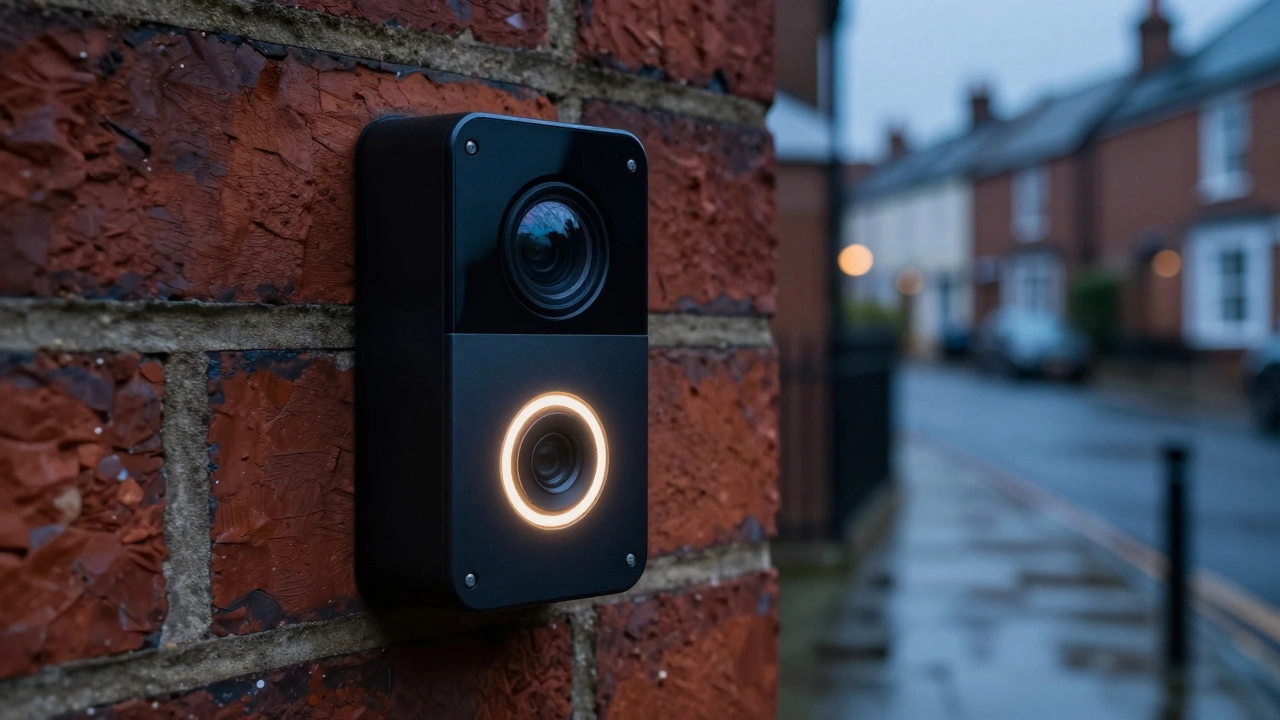
You install a Ring doorbell is a Wi-Fi connected video doorbell and camera system owned by Amazon that records footage of your doorstep to catch package thieves or chat with visitors. It feels like a private extension of your home. But then the question hits you: can the police just turn it on and watch what’s happening at your front door right now? The short answer is no, they cannot secretly "tap" into your live feed without permission. The long answer, however, involves warrants, cloud storage limits, and some tricky settings in the app that many users miss.
If you live in the UK, the rules are different from those in the US. While Amazon Ring operates globally, your data is subject to UK law enforcement protocols and privacy regulations. Understanding how this works protects not just your privacy, but also your rights as a homeowner. Let’s break down exactly how police access works, what they can see, and how you can lock down your device.
The Myth of the "Secret Tap"
First, let’s clear up the biggest fear: covert real-time surveillance. You might imagine a detective sitting in a station, clicking a button, and instantly seeing your hallway through your Ring camera. According to Amazon’s public statements and independent investigations by groups like Consumer Reports, this does not happen by default. Police do not have a master key to your live stream.
However, there is a nuance here. In recent years, Amazon has introduced features that allow for consensual live viewing. If you agree to share your live feed during an active emergency-say, if police are chasing a suspect who ran past your house-they can view it. But this requires your explicit consent via the app. They cannot force this connection without your input or a specific legal order. So, while they can’t "tap" you silently, they can ask, and if you say yes, the feed opens up.
How Police Actually Get Your Footage
If they can’t just watch live, how do they get evidence? There are two main channels: voluntary sharing and legal compulsion.
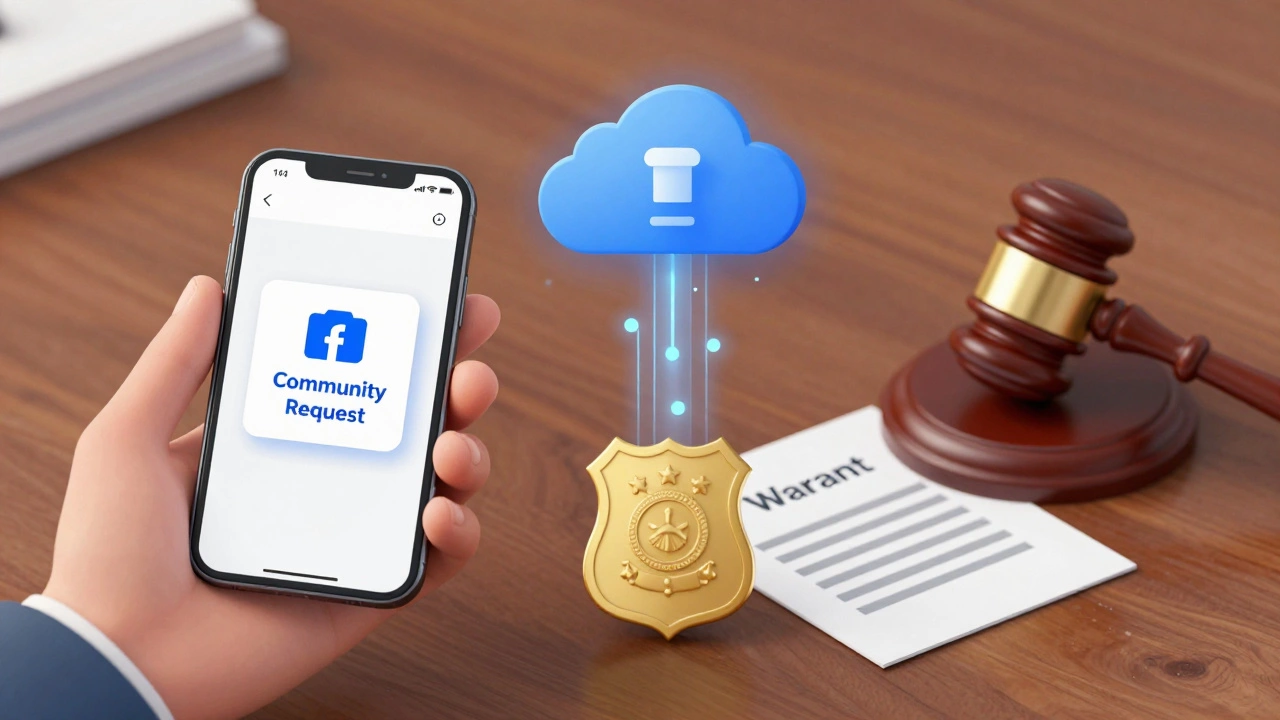
- Community Requests (Voluntary): Police departments often use platforms like the Ring Neighbors app or partners like Flock Safety to post requests for footage. These posts appear to users within a specific radius (often about 0.5 square miles) of a crime scene. You see a request asking for video from a certain time and date. You choose whether to upload your clip. This is entirely up to you. You can turn off these notifications in your app settings so you never even see them.
- Legal Orders (Compulsory): This is where things get serious. If police have a valid search warrant, subpoena, or court order, they can demand your footage directly from Amazon. In this case, Amazon must comply. They will pull the video from their cloud servers and hand it over to the police. Crucially, you might not even know this happened. Amazon is not always required to notify you immediately when they hand over data under a legal order.
In the UK, the legal threshold for a warrant is strict, governed by the Regulation of Investigatory Powers Act (RIPA) and the Police and Criminal Evidence Act (PACE). Officers need reasonable grounds to believe your footage contains evidence of a crime. They can’t just fish around because they’re curious.
The Cloud Storage Trap
Here is the part that surprises most people. Your Ring doesn’t store video on the device itself for long. It sends everything to Amazon’s cloud servers. If you have a Ring Protect subscription, that footage stays there for up to 180 days. That’s six months of history sitting on a server in California (or a compliant EU/UK data center depending on current data residency agreements).
Why does this matter? Because if police get a warrant, they aren’t asking you to dig out an SD card. They are asking Amazon to download terabytes of data. And since the footage covers not just your doorstep, but also the sidewalk, your neighbors’ yards, and passersby, the scope of surveillance is much wider than just your home. Critics like the Electronic Frontier Foundation (EFF) argue this creates a privatized spy network. Once police have that data, they can analyze movements, identify suspects, and track patterns across entire neighborhoods.
| Method | Requires Consent? | Real-Time Access? | User Notification? |
|---|---|---|---|
| Community Request | Yes (You choose) | No (Stored clips only) | Yes (You see the request) |
| Live Feed Sharing | Yes (Explicit grant) | Yes | Yes (Active session) |
| Search Warrant | No | No (Historical data) | Often No (Delayed or none) |
| Emergency Disclosure | No | Potentially | No |
UK Specifics: What Does GDPR Mean for You?
Living in Sheffield or anywhere else in the UK gives you stronger protections than users in the US. The General Data Protection Regulation (GDPR) and the UK Data Protection Act 2018 impose strict rules on how personal data is processed. Ring, as a data processor, must adhere to these laws.
This means:
- Data Minimization: Police requests must be narrowly tailored. They can’t ask for "all footage from last year." They need specific dates, times, and locations relevant to a specific investigation.
- Transparency: Under GDPR, you have the right to know what data organizations hold about you. While national security exceptions exist, you can submit a Subject Access Request (SAR) to Amazon to find out if they’ve disclosed your data to authorities.
- Retention Limits: While Ring offers 180-day storage, UK law encourages deleting data once it’s no longer necessary. However, if a legal hold is placed due to an ongoing investigation, that clock stops.
Despite these protections, the reality is that if a judge issues a warrant, the warrant overrides your privacy preferences. The law allows the state to compel data disclosure in criminal investigations. GDPR doesn’t stop warrants; it just ensures the process is lawful and documented.

How to Lock Down Your Ring Privacy Settings
You can’t stop a warrant, but you can close the backdoors that make it easy for police to gather evidence voluntarily. Here is how to tighten your ship:
- Disable Community Alerts: Go to the Ring app, open the Menu, select Settings, then go to Control Center > Public Safety. Turn off "Request for Assistance" or "Community Requests." This stops police from pinging your phone asking for video. It doesn’t block warrants, but it stops the casual fishing expeditions.
- Review Shared Accounts: Check who has access to your Ring account. Former roommates, family members, or installers might still have permissions. Revoke any access you don’t need.
- Use Local Storage if Possible: Some newer Ring devices support local storage via a USB drive or base station. Footage stored locally on your hardware is harder for remote warrants to reach compared to cloud data, though a physical search warrant could still seize the device.
- Angle Your Camera: Point your lens strictly at your door. Avoid capturing the public sidewalk or your neighbor’s property. This reduces the amount of third-party data you collect, which lowers the risk of privacy complaints and makes your footage less useful for broad neighborhood surveillance.
The Future of Smart Home Surveillance
The landscape is shifting. In 2024 and 2025, Amazon expanded partnerships with companies like Axon and Flock Safety. These integrations make it easier for police to request footage systematically. While these tools currently rely on user consent, the trend points toward deeper integration between private smart homes and public policing.
As more households adopt devices like the Ring doorbell, the street becomes a panopticon. Every step outside is recorded. For homeowners, this is a trade-off: convenience and security against total transparency. If you value absolute privacy, a non-connected CCTV system with local-only storage might be a better fit. But if you want the smart features, you need to accept that your data exists on someone else’s server, and that server can be compelled to talk.
Can police see my Ring camera live without me knowing?
No. Under current policies, police do not have default access to your live feed. They cannot secretly watch your home in real-time unless you explicitly grant them permission through the app during an emergency or investigation.
Do I need a warrant for police to get my Ring footage in the UK?
Generally, yes. For historical footage stored in the cloud, police typically need a search warrant or a court order under laws like RIPA or PACE. They cannot simply demand the video without legal justification.
Will Amazon tell me if the police asked for my video?
Not always. If the request comes with a gag order or is part of an active criminal investigation, Amazon may delay notifying you until after the investigation concludes. You can check your data disclosures via a Subject Access Request.
Can I turn off police requests in the Ring app?
Yes. You can disable "Community Requests" or "Public Safety" notifications in the Ring app settings. This prevents police from sending you direct messages asking for footage, but it does not prevent them from obtaining a warrant later.
How long does Ring keep my video?
With a Ring Protect Plan, video recordings are stored in the cloud for up to 180 days. Without a subscription, you generally only have access to live view and very limited event history, if any.