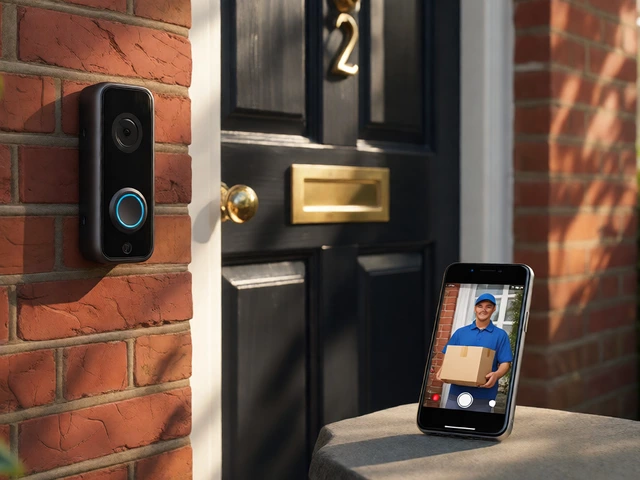
Can Police Access Your Ring Doorbell? A UK Guide to Privacy and Warrants
Can police tap into your Ring doorbell? We explain how UK law enforcement accesses Ring footage, the role of warrants, cloud storage risks, and how to protect your privacy.
If you’ve ever wondered whether your security cameras are breaking the law, you’re not alone. The UK has a handful of rules that keep cameras from spying on people who haven’t given permission. Below you’ll find the most important points, written in plain English, so you can set up a system that protects your property without landing you in trouble.
The backbone of UK surveillance law is the Data Protection Act 2018 (which incorporates GDPR). Any camera that records identifiable faces is handling personal data, meaning you have to treat it like any other piece of private information. First, decide why you need the camera – security, traffic monitoring, or something else – and keep the purpose narrow.
Next, the Surveillance Camera Code of Practice (the ‘CCTV Code’) tells you how to operate legally. It asks for clear signage, reasonable placement, and a storage limit that matches your purpose. A small sign saying “CCTV in operation – recording for security” satisfies most visitors and helps you avoid complaints.
Another key piece is the Regulation of Investigatory Powers Act 2000 (RIPA). RIPA mainly covers public‑sector cameras, but it’s good to know that private owners can’t use cameras to monitor public spaces in a way that feels like state surveillance. Stick to your property line and you’ll be fine.
Start by doing a quick audit. List every camera, note where it points, and write down how long you’ll keep the footage. If a camera faces a public footpath, consider reducing its angle or adding a blur function so you only capture what’s needed.
Make a simple privacy notice. Put it at eye level near the camera and include your contact details. If someone asks to see the footage, you have to respond within a reasonable time – usually 30 days – and you may need to redact unrelated images.
Store data securely. Use encrypted drives or a reputable cloud service that complies with GDPR. Set an automatic delete schedule – many experts recommend keeping footage for 30 days unless an incident occurs.
Finally, train anyone who can access the cameras. A quick cheat‑sheet about not sharing footage on social media and about logging any access helps keep the whole operation transparent.
At Birmingham Security Command Center we build systems that follow these rules from day one. Our technicians install signs, configure storage limits, and help you write a privacy notice that matches your needs. That way you get solid protection without worrying about legal headaches.
Remember, a well‑placed camera can stop a break‑in, but it can also cause a privacy snag if you ignore the basics. Keep the purpose clear, put up a sign, store footage safely, and delete it when you don’t need it any more. Follow the CCTV Code, respect GDPR, and you’ll stay on the right side of the law while keeping your home or business safe.
Can police tap into your Ring doorbell? We explain how UK law enforcement accesses Ring footage, the role of warrants, cloud storage risks, and how to protect your privacy.
Neighbours often wonder if they can complain about Ring doorbells. This in-depth guide covers legal rights, privacy issues, local laws, and tips for harmonious living.