Home Security Alarm: What Works, What Doesn't, and How to Choose
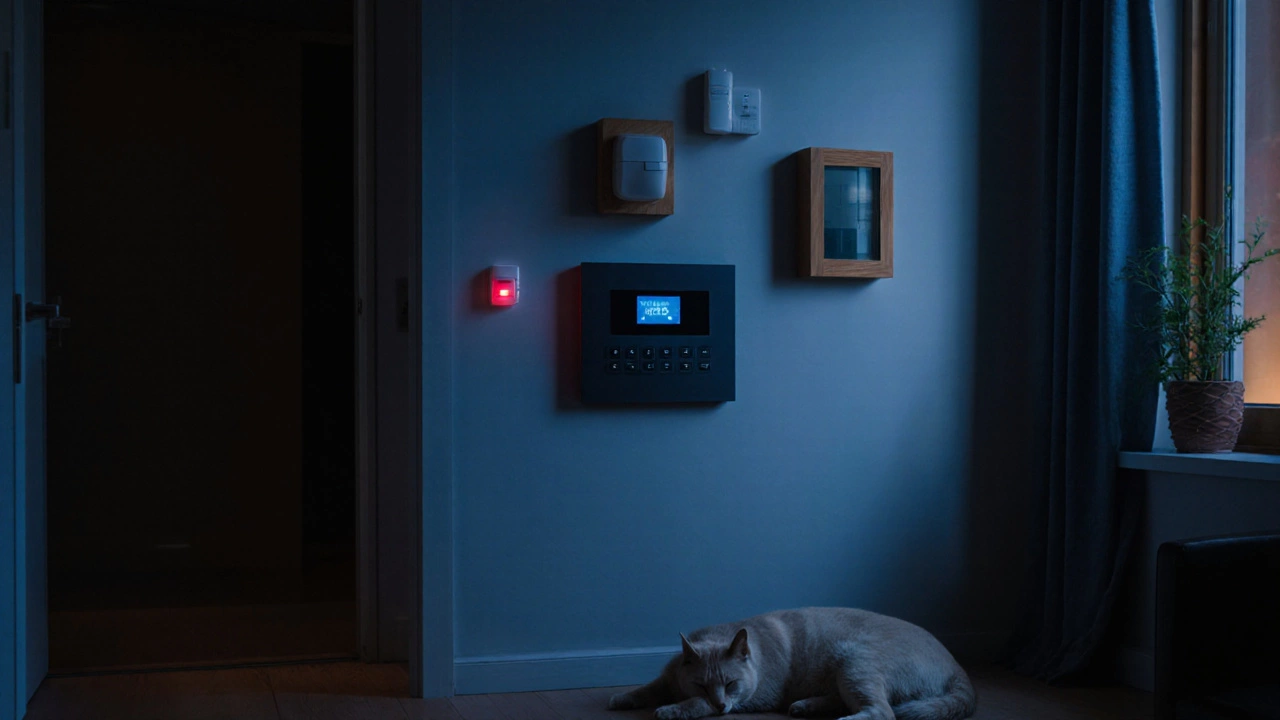
When you think of a home security alarm, a system designed to detect unauthorized entry and trigger alerts to protect your property. Also known as intrusion alarm, it's one of the most direct ways to stop a break-in before it starts. It’s not just about the loud noise—it’s about how fast it responds, who gets notified, and whether it still works when the power or Wi-Fi goes out.
A good alarm system, a network of sensors, control panels, and communication tools that monitor doors, windows, and motion inside a home doesn’t need to be expensive or complicated. Many modern systems work without Wi-Fi, using cellular backups or local storage so they stay online even during outages. You don’t need to pay monthly fees just to have a working alarm. Some of the most reliable setups are the ones you install yourself—no contracts, no hidden charges.
But not all alarms are built the same. A wireless alarm, a security system that uses radio signals instead of wires to connect sensors to the control panel is easier to install, but if it relies only on Wi-Fi, it can be vulnerable when your internet fails. That’s why many homeowners now choose systems with built-in cellular backup or local storage. And while smart home features like phone alerts and remote arming are nice, they shouldn’t be the only reason you buy one. Burglars don’t care if your alarm has a fancy app—they care if it’s loud, fast, and active.
What makes a home security alarm effective? It’s not the brand name or the number of cameras. It’s whether the alarm triggers before the intruder gets inside, whether someone actually responds when it goes off, and whether it’s simple enough to use every single day. Studies show homes without alarms are up to three times more likely to be targeted. And if you live in a high-crime area, a visible alarm system alone can be enough to make a thief walk away.
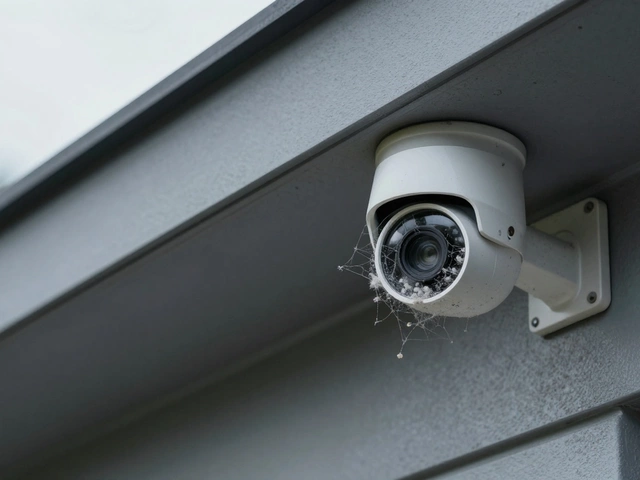
You’ll find posts here that break down real-world performance: which systems keep working when the internet dies, how much data they actually use, what thieves hate most, and whether DIY setups hurt your home’s resale value. We’ll show you the hidden costs of "smart" alarms, the truth about battery life, and why some cameras work better in the dark than others—even if they don’t use night vision at all. This isn’t about hype. It’s about what keeps your family safe, without overpaying or overcomplicating things.