Home Security Effectiveness Calculator
Your Security Layers
Select your security measures based on UK research data
When you hear a knock at the door and check your phone to see who’s there, it feels like magic. But is that little camera on your front porch actually stopping burglars-or just giving you a false sense of safety? In the UK, where over 1.2 million homes are broken into each year, the question isn’t just about convenience. It’s about survival. And the answer isn’t as simple as ‘yes’ or ‘no’.
What smart doorbells actually do
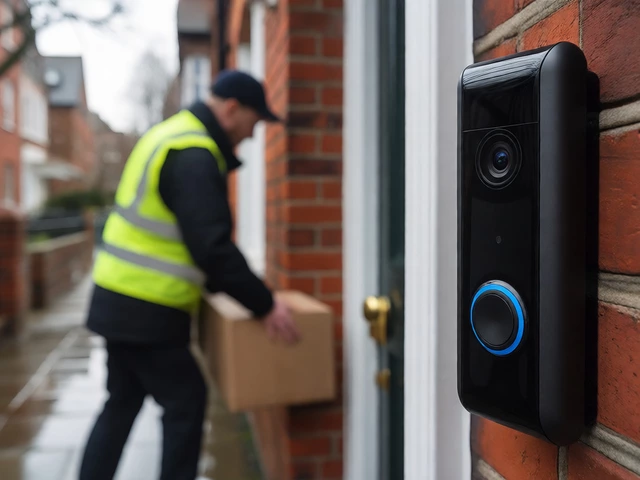
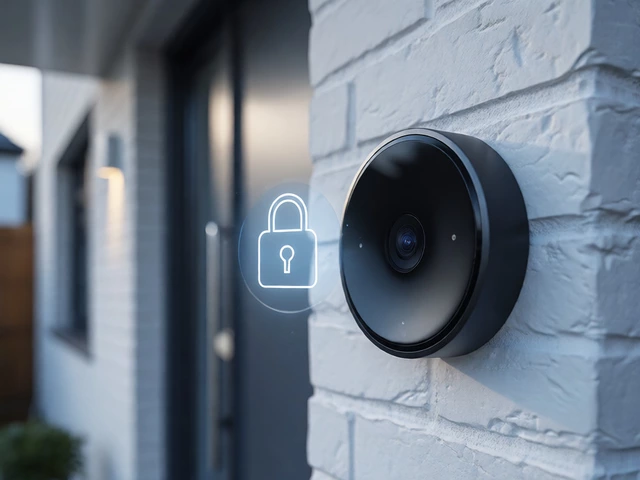
Smart doorbells like Ring, Nest, or Arlo aren’t just fancy intercoms. They’re video cameras with motion sensors, two-way audio, and cloud storage. You get alerts when someone approaches, you can talk to them from work, and you can review footage later. Sounds great, right? But here’s the catch: most of them record-they don’t prevent.
A 2023 study by the University of North Carolina interviewed 422 convicted burglars. The results were clear: 83% said they’d avoid homes with visible security systems. That’s not a small number. But here’s what they didn’t say: they didn’t care if the camera was just sitting there, silently recording. What mattered was whether someone was watching right then.
The myth of the passive camera
Most people think: ‘If I install a doorbell camera, burglars will see it and leave.’ But that’s not how it works. Burglars aren’t scared of cameras. They’re scared of being caught in the act.
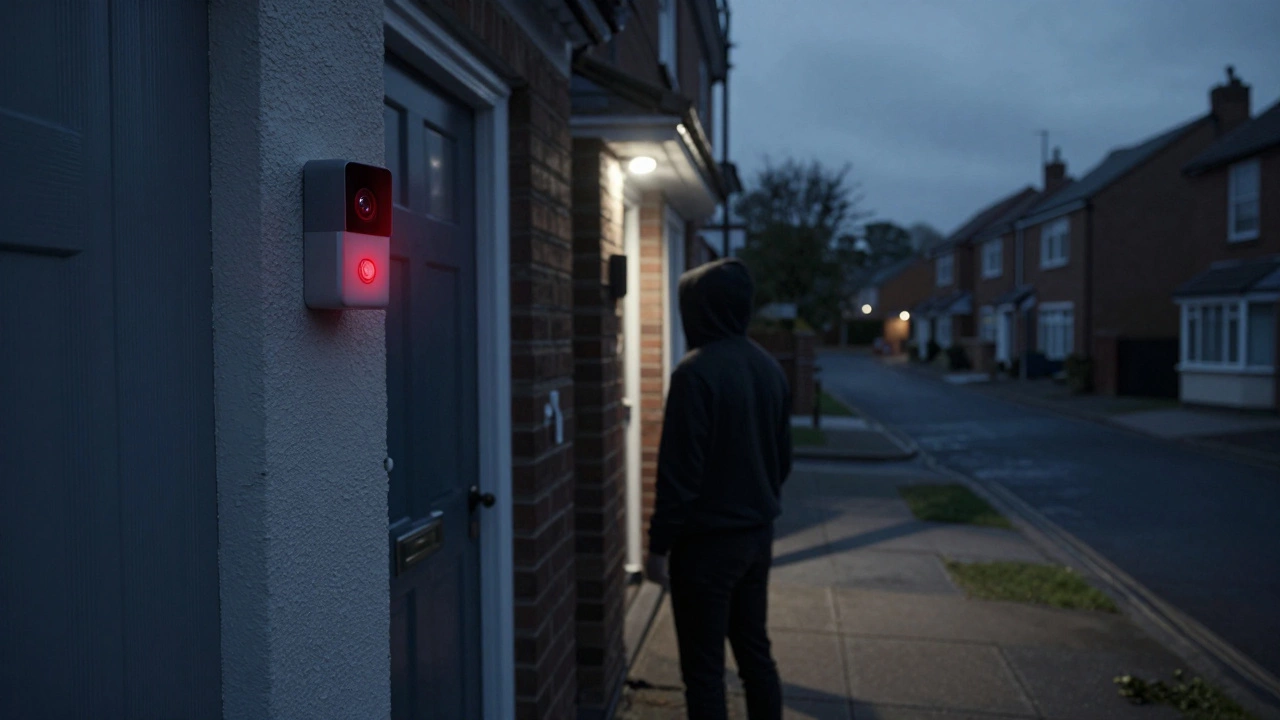
Think about it. A burglar walks up to a house. They see a camera. They don’t run. They check the door. They test the window. They wait. If no one answers, if no one yells out, if no lights turn on-then they keep going. The camera might catch them later. But it didn’t stop them.
Research from Farsight shows that smart doorbells can actually make homes *more* attractive targets. Why? Because they signal a tech-savvy household-likely with expensive gadgets inside. A burglar doesn’t see ‘security.’ They see ‘value.’
What actually deters burglars
Let’s cut through the noise. What really works?
- Visible alarms: 53% effective at deterring break-ins
- Outdoor cameras: 50% effective
- Police nearby: 64% effective
- Secure window locks: 72% effective
- Indoor lights on timers: 68% effective
That’s from Security.org’s analysis of real burglary data. Notice anything? Cameras are in the middle. Alarms and locks are higher. And the top two? Things you can’t see on a screen.
In Sheffield, where I live, houses with motion-sensor lights and reinforced door frames have seen burglary rates drop by over 40% in the last three years. But houses with just doorbell cameras? No change.
The active monitoring gap
Here’s the truth nobody talks about: smart doorbells only deter crime when someone is watching in real time.
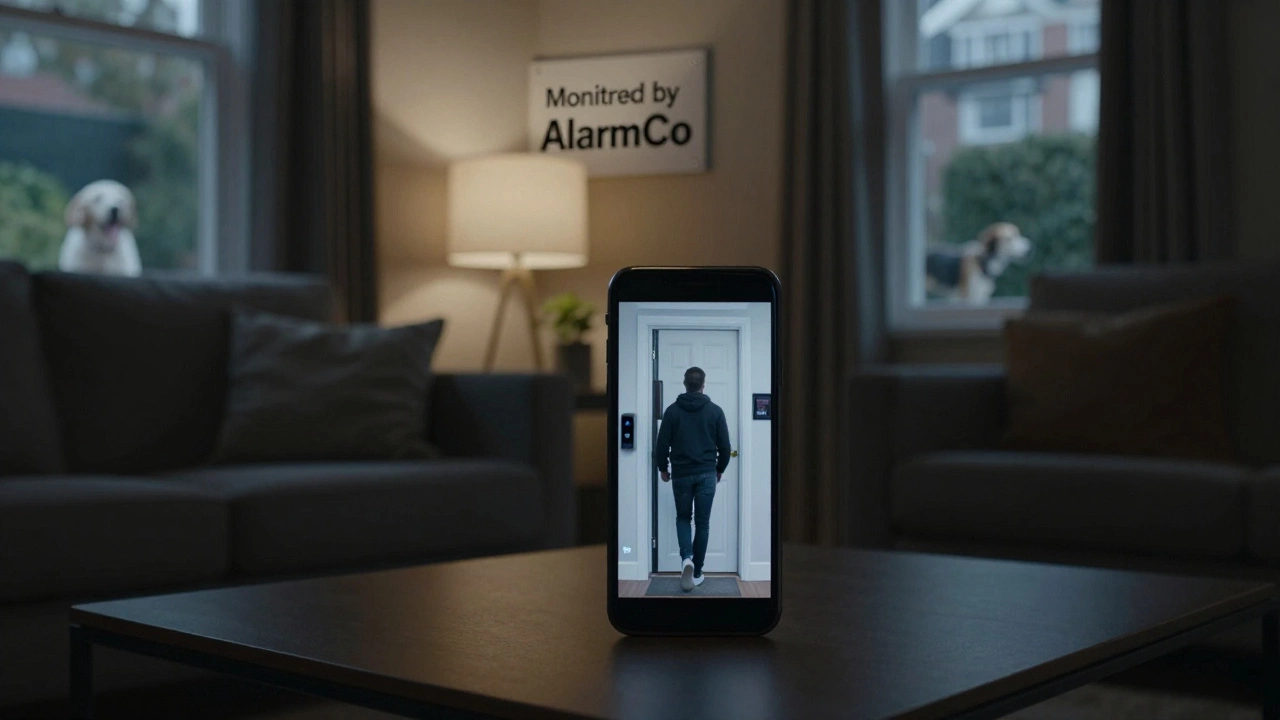
Imagine this: you’re at work. Your doorbell rings. You get a notification. You open the app. You see a man in a hoodie. You think, ‘That’s weird.’ You grab your coffee. You scroll through Instagram. By the time you call the police, it’s too late. The guy’s already inside.
That’s not a hypothetical. It’s happened in Manchester, Leeds, and Birmingham. In every case, the doorbell recorded the crime. But it didn’t stop it.
Now imagine the same scenario-but this time, the doorbell has a live operator. As soon as motion is detected, the system calls out: ‘This property is monitored. Police are being dispatched.’ The burglar hears it. He freezes. He runs. That’s what works.
Professional monitoring services cut burglary attempts by 95%-because they turn a passive device into an active shield. Ring doorbells alone? Not even close.
Why Ring’s 55% claim is misleading
You’ve probably seen headlines like: ‘Ring doorbells cut crime by 55% in Los Angeles.’ It sounds impressive. But dig deeper.
The study didn’t measure Ring alone. It measured neighborhoods where *hundreds* of households installed Ring doorbells *and* police partnered with the company to monitor footage *and* community watch groups formed *and* street lighting was upgraded. It was a full ecosystem.
That’s not a doorbell effect. That’s a neighborhood effect. One camera won’t do it. But 20? With police cooperation? Maybe.
What smart doorbells *can* do
They’re not useless. They’re just not magic.
They help you:
- See who’s at the door before you open it
- Track package deliveries
- Identify suspects after a crime
- Alert neighbors if something looks off
And if you pair them with:
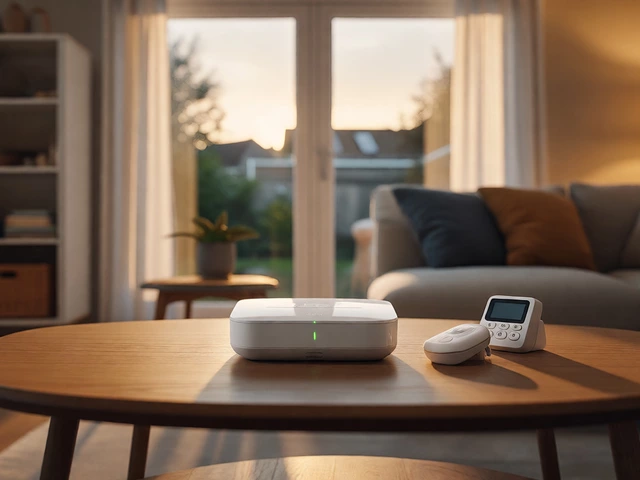
- A loud outdoor siren
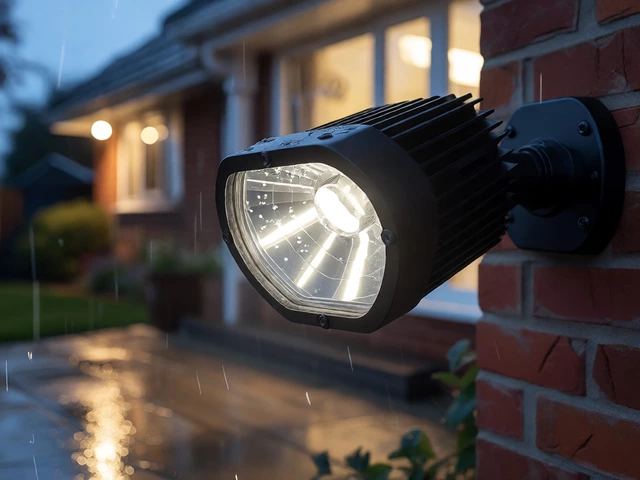
- Smart lights that turn on at motion
- Window locks you can control from your phone
- Timers for indoor lights
Then you’ve got something powerful.
The UK reality
In the UK, the Metropolitan Police and University College London are running a major trial right now-randomly assigning smart doorbells to hundreds of homes to measure real impact. Results aren’t out yet. But early signs? The devices alone don’t move the needle.
What does? Visible, layered security. A house that looks like it’s hard to break into. That means:
- Double-locked doors
- Shutters or blinds at night
- Outdoor lighting
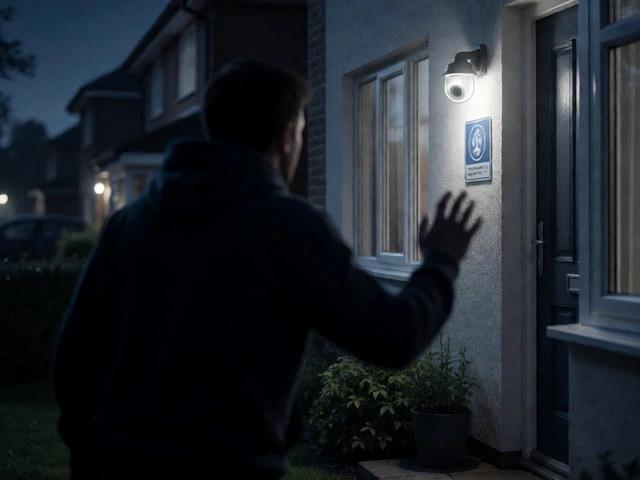
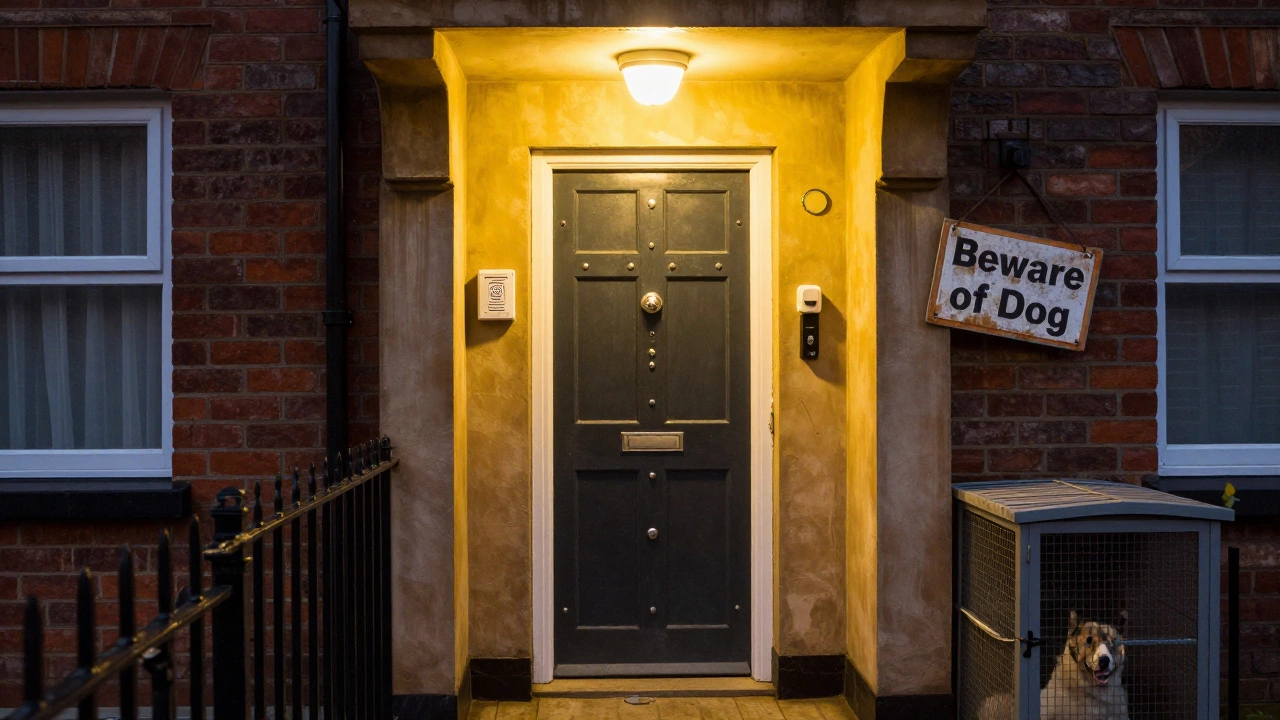
- Security signs (even fake ones)
- A dog barking
That’s what burglars fear. Not a camera on the wall. A house that feels watched, heard, and protected.
Bottom line
Smart doorbells don’t deter burglars by themselves. They’re a tool-not a solution. If you install one and think you’re safe, you’re wrong. But if you use it as part of a bigger plan-pair it with lights, locks, and alarms-you’ve got a real advantage.
And if you’re in the UK? Don’t wait for the police to show up after the fact. Make your home look like a bad investment. That’s how you stop burglars.
Do smart doorbells reduce crime in the UK?
Smart doorbells alone don’t significantly reduce crime in the UK. Studies show that while they help identify suspects after a break-in, they rarely stop crimes in progress unless paired with active monitoring, audible alarms, and physical security upgrades like reinforced locks and motion lights.
Is Ring the best smart doorbell for deterrence?
Ring dominates the UK market, but it’s not the most effective for deterrence. What matters isn’t the brand-it’s whether the system is integrated with live monitoring, loud sirens, and smart lighting. A cheaper doorbell with those features can outperform Ring if it’s not actively monitored.
Can burglars disable smart doorbells?
Yes. Many burglars cut power lines, cover the camera with tape, or use signal jammers. In Sheffield, police reported over 15 cases in 2025 where smart doorbells were deliberately disabled before a break-in. Physical security measures like locked doors are harder to bypass.
Do smart doorbells increase burglary risk?
In some cases, yes. A visible smart doorbell can signal a tech-savvy home with expensive electronics inside. Burglars may target these homes more deliberately. Without other security layers, the camera becomes a target marker-not a deterrent.
What’s the most effective home security combo?
The most effective combo: reinforced door and window locks, motion-sensor outdoor lights, audible alarm, and a smart doorbell with live monitoring. Together, they create a layered defense that makes a home look too risky to target. No single device does it alone.