Prohibited Security Camera Placement Areas - What You Must Avoid
Learn the exact locations where installing security cameras can lead to legal trouble, privacy breaches, and technical failures, plus a checklist to stay compliant.
When it comes to security camera placement, the strategic positioning of surveillance devices to monitor key areas and deter intruders. Also known as camera positioning, it’s not just about pointing a lens at your front door—it’s about covering every blind spot, understanding light conditions, and making sure footage is usable when it matters most. Too many people buy a camera, mount it high on the wall, and think they’re covered. But if it’s facing a tree that sways in the wind, or angled toward a dark alley where no detail is visible, you’ve wasted your money.
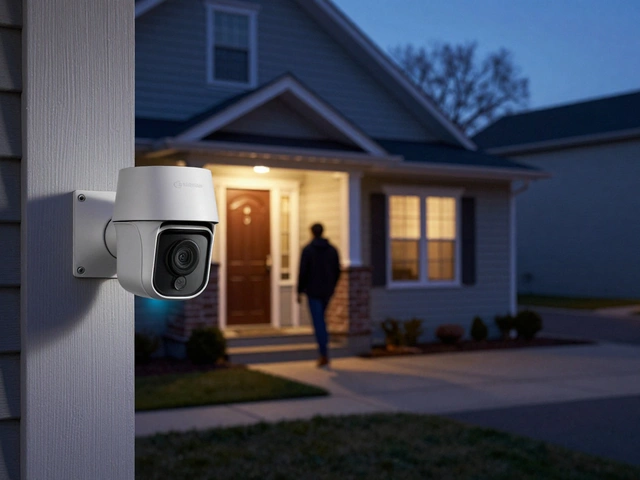
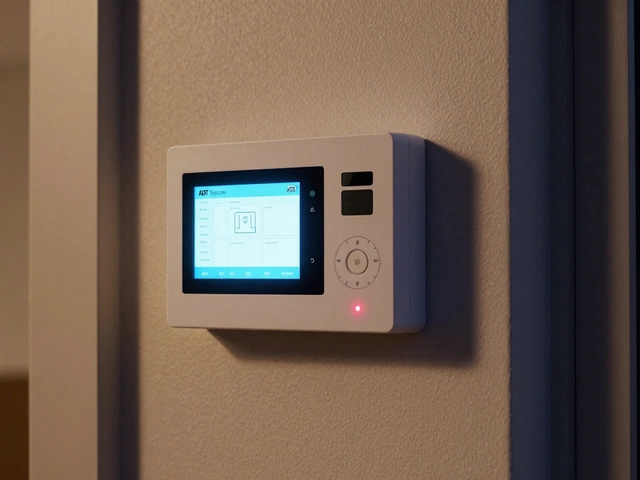
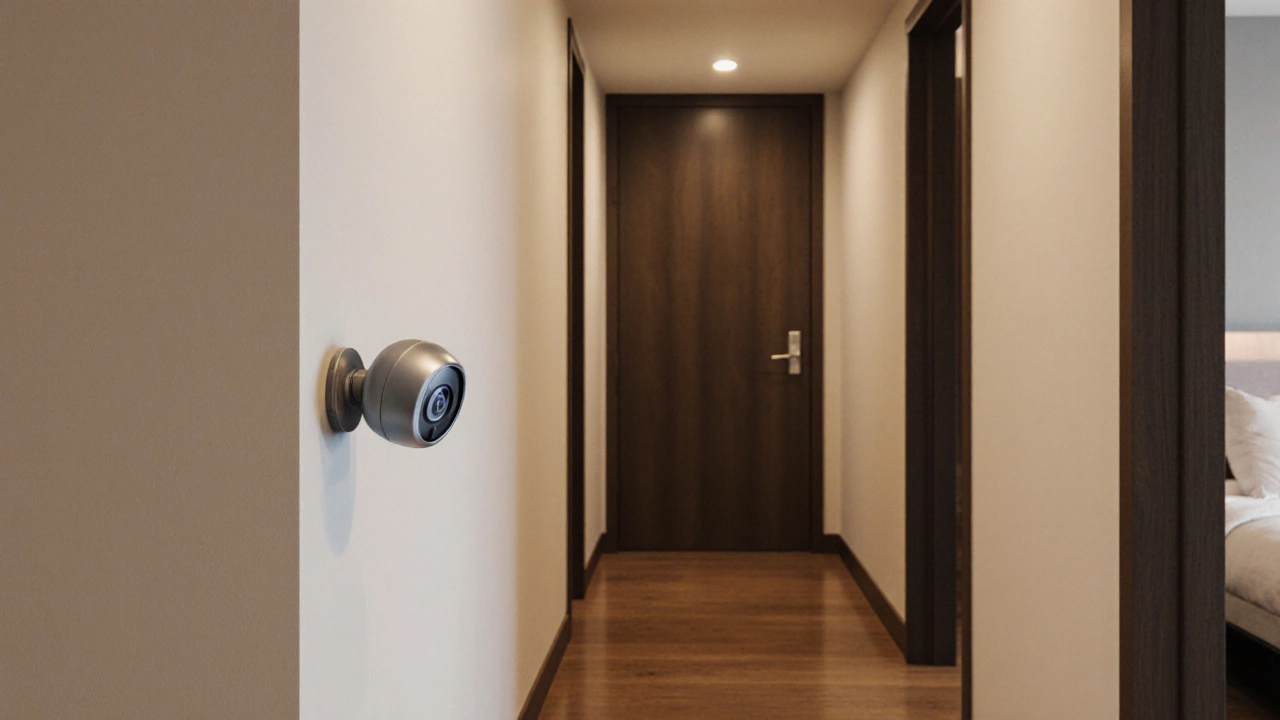
Outdoor security cameras, devices designed to withstand weather and capture activity in open areas like driveways, backyards, and entrances. Also known as exterior surveillance units, they need to be placed where they can see faces—not just shadows. Mount them at 8 to 10 feet high, angled slightly downward. This gives you a clear view of anyone approaching, and avoids glare from the sun or headlights. Don’t forget the side entrances. Burglars don’t always come through the front. A camera near the garage, back gate, or side window can catch the exact moment someone tests a latch. Inside, indoor security cameras, devices used to monitor activity within a building, often for theft prevention or child/pet supervision. Also known as interior surveillance cameras, they should cover high-value areas like where you keep cash, jewelry, or electronics. A camera in the living room might seem useful, but if your safe is in the bedroom, that’s where the lens needs to go. Avoid pointing cameras at private areas like bathrooms or bedrooms unless absolutely necessary—and even then, check local laws.
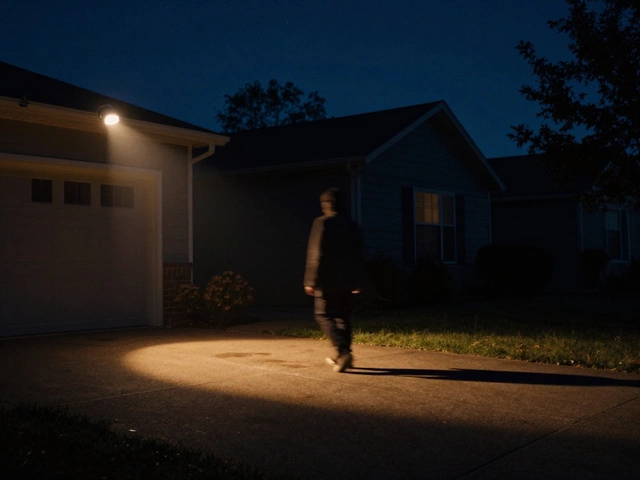
Placement isn’t just about location—it’s about camera angles. A camera mounted directly above a doorway might capture the top of a person’s head, not their face. Angle it so it catches the face and shoulders. Use motion-activated lights to help cameras see clearly at night. Don’t rely on infrared alone—it turns everything into grainy black-and-white. Pair infrared with white-light floodlights for color footage that police can actually use. Also, avoid backlighting. If your camera faces a bright window, the person standing in front will be a dark silhouette. Move the camera, or reposition the window blinds.
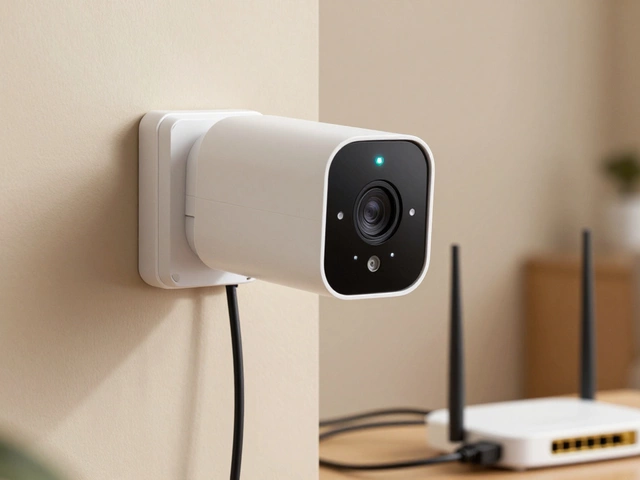
Thieves know what to look for. They check for cameras that are too high, too blurry, or pointing in the wrong direction. A well-placed camera doesn’t just record—it deters. If someone sees a camera clearly aimed at their approach, they’ll often walk away. That’s the real win. The posts below give you real-world examples: where to put cameras in small yards, how to cover a long driveway without blind spots, why some cameras fail at night even with night vision, and how to avoid common installation mistakes that leave your home exposed. You’ll find guides on wired vs wireless setups, how to use existing lighting to your advantage, and even how to hide cameras without making them useless. This isn’t theory. These are fixes people actually used to stop break-ins.
Learn the exact locations where installing security cameras can lead to legal trouble, privacy breaches, and technical failures, plus a checklist to stay compliant.