Best Alternatives to ADT Home Security in 2025
Discover the top ADT alternatives for 2025, compare features, costs, and smart home integration, and learn how to install your new system without a contract.
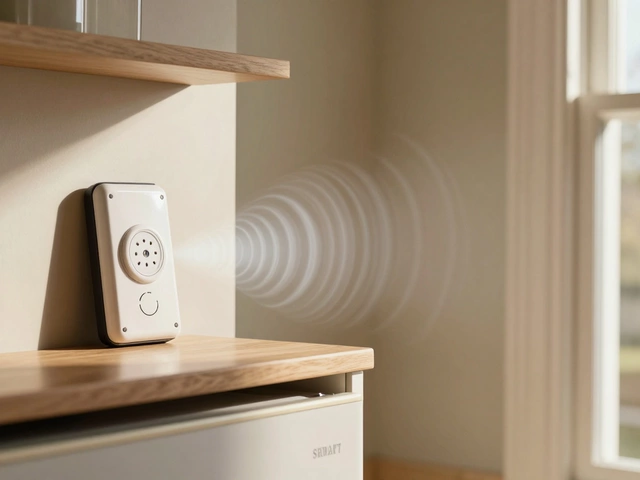
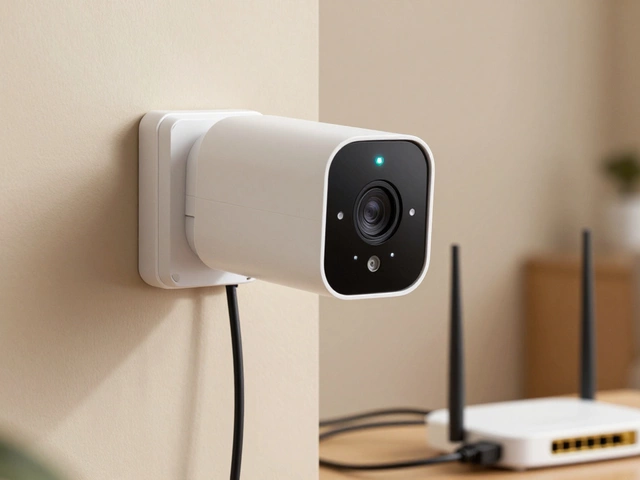
When working with smart home alarm, a system that links sensors, cameras, and automation to protect a residence. Also known as connected alarm, it monitors doors, windows, motion and can trigger alerts via phone or siren. One of the biggest questions people ask is whether you need a constant internet connection. That’s where wireless CCTV cameras, camera units that send video over Wi‑Fi or cellular links come in. They give you live view and motion alerts without digging a cable. But Wi‑Fi can drop, especially in older UK homes with thick walls. offline security cameras, stand‑alone units that store footage locally on SD cards and can still trigger a siren when motion is detected solve that problem by staying functional even when the internet is down. Combining these two types means your smart home alarm stays alive whether the router is humming or silent, and you keep the peace of mind that burglars can’t exploit a network outage.
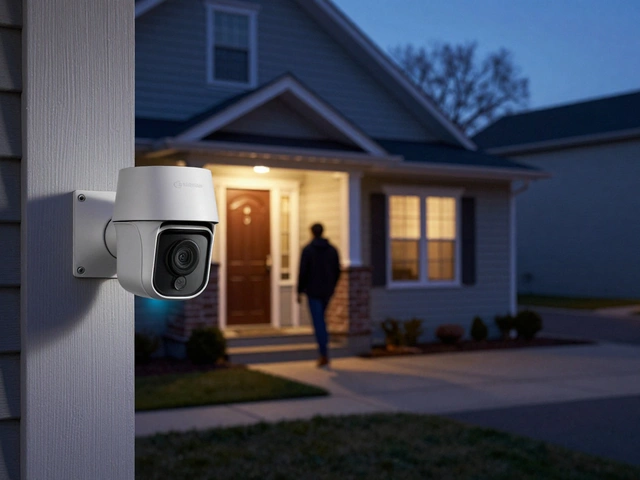
A home security system, the broader suite of devices that protects a property, including alarms, sensors, cameras and monitoring services isn’t just a stand‑alone gadget. It ties together door/window sensors, motion detectors, and sometimes even outdoor security lights that flash when motion is sensed. Those lights act as a visible deterrent and boost the alarm’s effectiveness without adding extra cost. For night‑time protection, many users upgrade from basic night‑vision cameras to infrared or thermal imaging, which work better in low‑light conditions and give clearer images of an intruder. Smart doorbells, like the popular Ring or Nest models, add another layer by letting you see who’s at the door and talk to them before opening the gate. All these pieces talk to the central alarm hub, creating a network where each device backs up the other, so a single point of failure is unlikely.
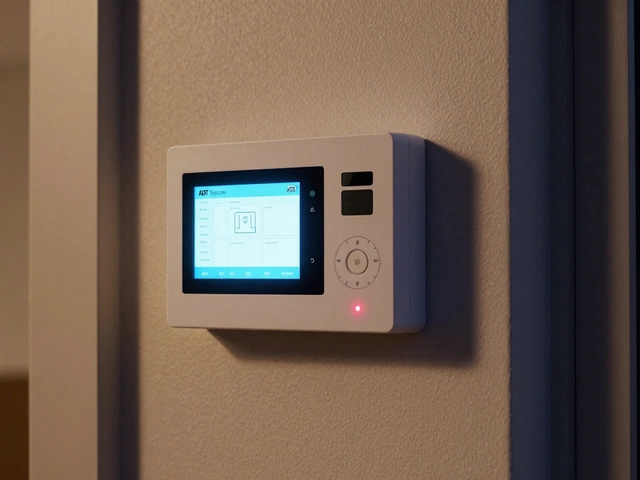
Choosing the right smart home alarm starts with answering a few simple questions: Do you have reliable Wi‑Fi in every corner of your house? Are you comfortable storing video locally, or do you prefer cloud backup? How much control do you want over who receives alerts – just yourself, family members, or a professional monitoring service? The answers guide you toward a set‑up that balances cost, convenience, and security. In the collection below you’ll find practical guides on offline cameras, Wi‑Fi data usage, wiring for doorbells, and even how thieves react to different deterrents. Whether you’re a DIY enthusiast looking to patch together a budget solution or a homeowner ready to invest in a full‑featured system, the articles ahead break down each component so you can build a smart home alarm that works for you.
Discover the top ADT alternatives for 2025, compare features, costs, and smart home integration, and learn how to install your new system without a contract.