Waterproof Outdoor Lights: Best Choices for Security and Durability
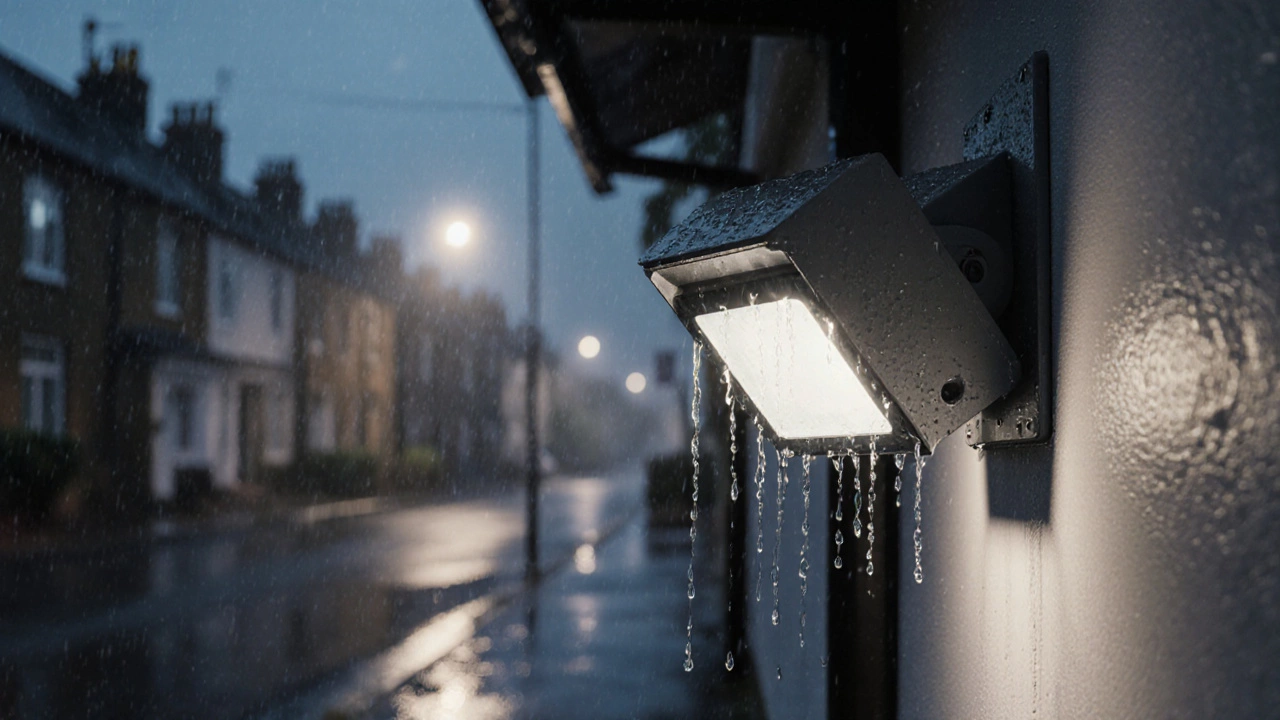
When you install waterproof outdoor lights, lighting systems built to withstand rain, snow, dust, and extreme temperatures without failing. Also known as weatherproof outdoor lighting, they’re not just about visibility—they’re a core part of any home security setup. If your lights rust, flicker, or die after one winter, you’re not just losing light—you’re losing protection. Burglars target dark corners. A single broken bulb can turn your yard into a blind spot.
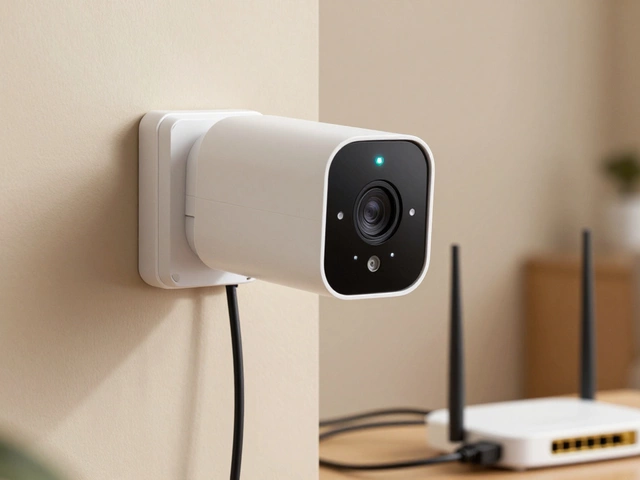
Good waterproof outdoor lights, lighting systems built to withstand rain, snow, dust, and extreme temperatures without failing. Also known as weatherproof outdoor lighting, they’re not just about visibility—they’re a core part of any home security setup. don’t just survive the weather—they enhance your security cameras. Many outdoor security lighting, fixed or motion-activated lights designed to deter intruders and improve surveillance footage. Often paired with floodlights or integrated into camera housings. have built-in infrared or white-light LEDs that help night vision cameras see clearly. Without proper lighting, even the best camera struggles in darkness. Thermal cameras can work without light, but they’re expensive. Most homeowners rely on visible light to trigger motion alerts and capture faces. That’s why matching your lights to your camera setup matters more than you think.
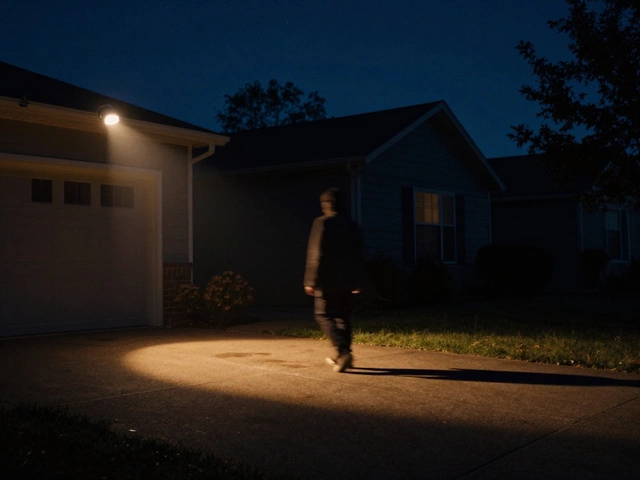
Not all waterproof lights are equal. Look for an IP65 rating or higher—that means they’re dust-tight and protected against low-pressure water jets. Cheap lights might say "water-resistant" but fail after a few storms. Solar-powered options are great for easy installation, but they need full sun to work. If your yard is shaded, stick with hardwired LED floodlights. They use less power, last longer, and stay bright even in freezing temps. Pair them with motion sensors so they only turn on when someone approaches. That saves energy and keeps neighbors from complaining about glare.
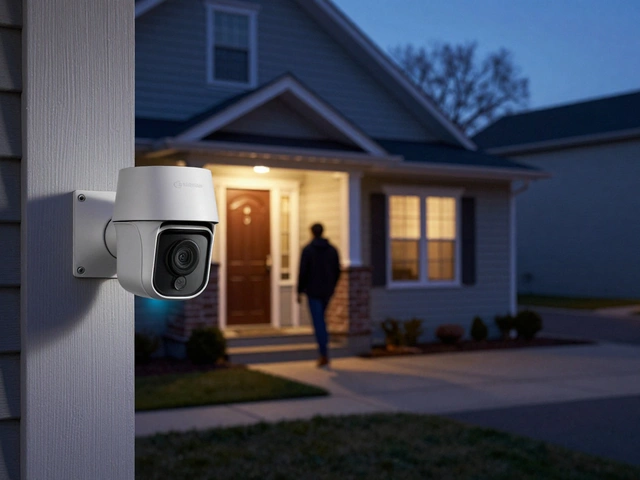
Where you place them makes a difference too. Avoid pointing lights straight into windows—it blinds cameras and annoys people. Angle them down over driveways, back doors, and side gates. Keep them away from trees or bushes that could cast moving shadows and trigger false alarms. If you have a security camera near the front door, make sure the light covers the same zone. A well-lit porch isn’t just welcoming—it’s a deterrent.
You’ll find posts here that break down real-world tests of different models, show how battery-powered lights compare to wired ones, and explain why some lights cause glare on camera lenses while others don’t. There are guides on how to wire them safely in the UK, how to sync them with smart systems, and even how to avoid common mistakes that make your lights useless after a year. Whether you’re replacing old bulbs or setting up a new security system, the right waterproof outdoor lights don’t just brighten your property—they make it harder for trouble to sneak in.