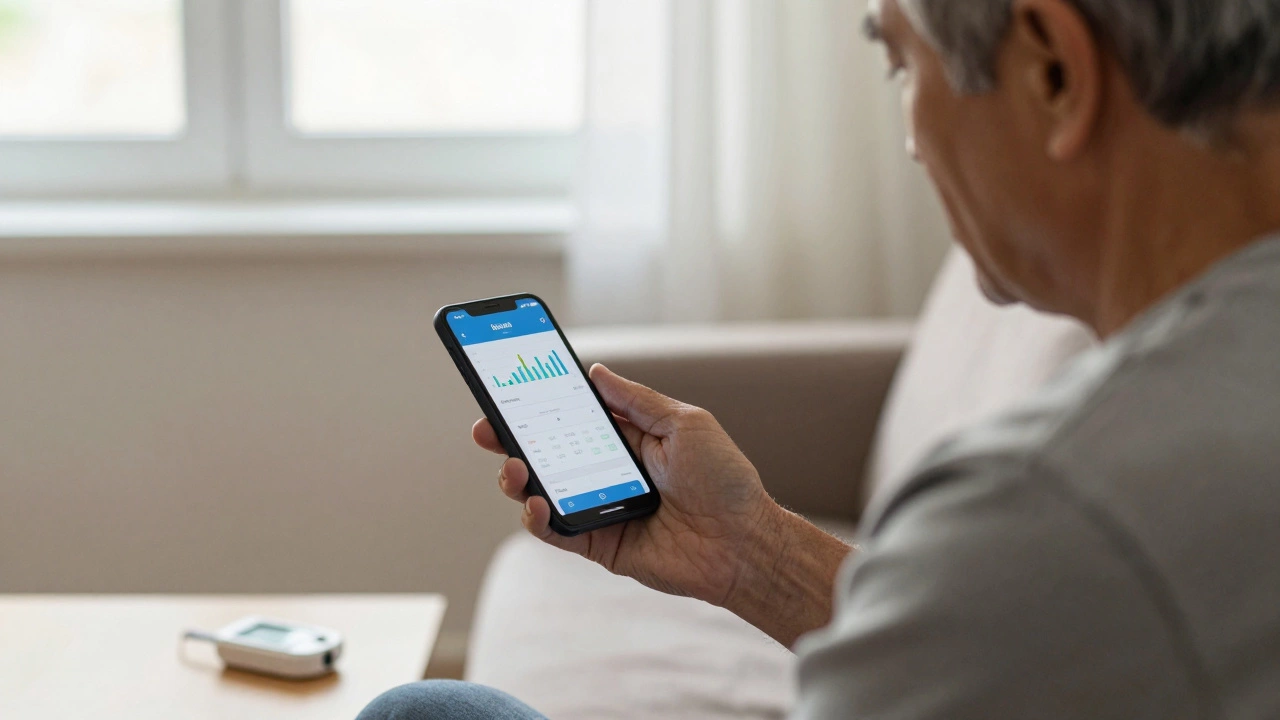
Remote monitoring systems for home health-like wearable heart rate trackers, blood pressure cuffs that text data to your doctor, or glucose monitors that auto-upload readings-sound like science fiction made real. But behind the sleek apps and glowing LED lights, there are real, everyday problems that make these systems frustrating, risky, or even dangerous for many people.
Not Everyone Has Reliable Internet
You might assume everyone has Wi-Fi. They don’t. In rural areas across the U.S., nearly 40% of healthcare clinics report connectivity issues when trying to use remote monitoring tools. Even in cities, 8% of households lack stable broadband. If your blood oxygen monitor needs a strong signal to send data every hour, and your internet drops at 3 a.m., your doctor won’t know you’re in trouble until it’s too late. Cellular backup helps-but only if you can afford the data plan. Many seniors on fixed incomes can’t justify $30 a month for a device that doesn’t always work.Devices Often Get It Wrong
Your smartwatch says your heart rate is 72. But a clinical ECG machine in the hospital says 89. That’s not a glitch-it’s normal. Studies show consumer-grade devices can be off by up to 25% on vital signs like heart rate, oxygen levels, and even temperature. A 2022 survey found 68% of doctors don’t trust RPM data because of these inconsistencies. Cardiologists specifically warn that wearable heart monitors misread readings during movement, like walking or climbing stairs. If you’re told your numbers are fine, but you’re dizzy and short of breath, do you trust the device-or your body? Too many patients delay calling 911 because the app says everything’s green.Security Risks Are Real-and Underestimated
Your health data isn’t just private. It’s valuable. Hackers know that. Healthcare data breaches cost nearly $10 million on average-more than double the cost for any other industry. Many remote monitoring systems run on outdated software. A 2023 study found 42% of healthcare providers had unpatched vulnerabilities in their RPM platforms. That means a single phishing email could unlock your blood sugar trends, medication logs, or even your location history. And if your system isn’t HIPAA-compliant? You’re not just at risk-you could be legally liable. One wrong data leak can cost a clinic over $1,500 per patient record.It Adds More Work-For Everyone
Doctors thought remote monitoring would save time. Instead, it’s created a mountain of alerts. A 2023 study found clinicians spend an extra 27 minutes per patient every day just reviewing RPM data. That’s not time saved-it’s time stolen from real care. Nurses get flooded with hundreds of notifications daily. Most are false alarms: a loose sensor, a low battery, a dropped signal. But when a real emergency happens, it’s buried in the noise. Meanwhile, patients feel overwhelmed. One in three says constant monitoring makes them more anxious, not less. They start checking their numbers every 10 minutes. They panic over a single spike. They feel watched, not cared for.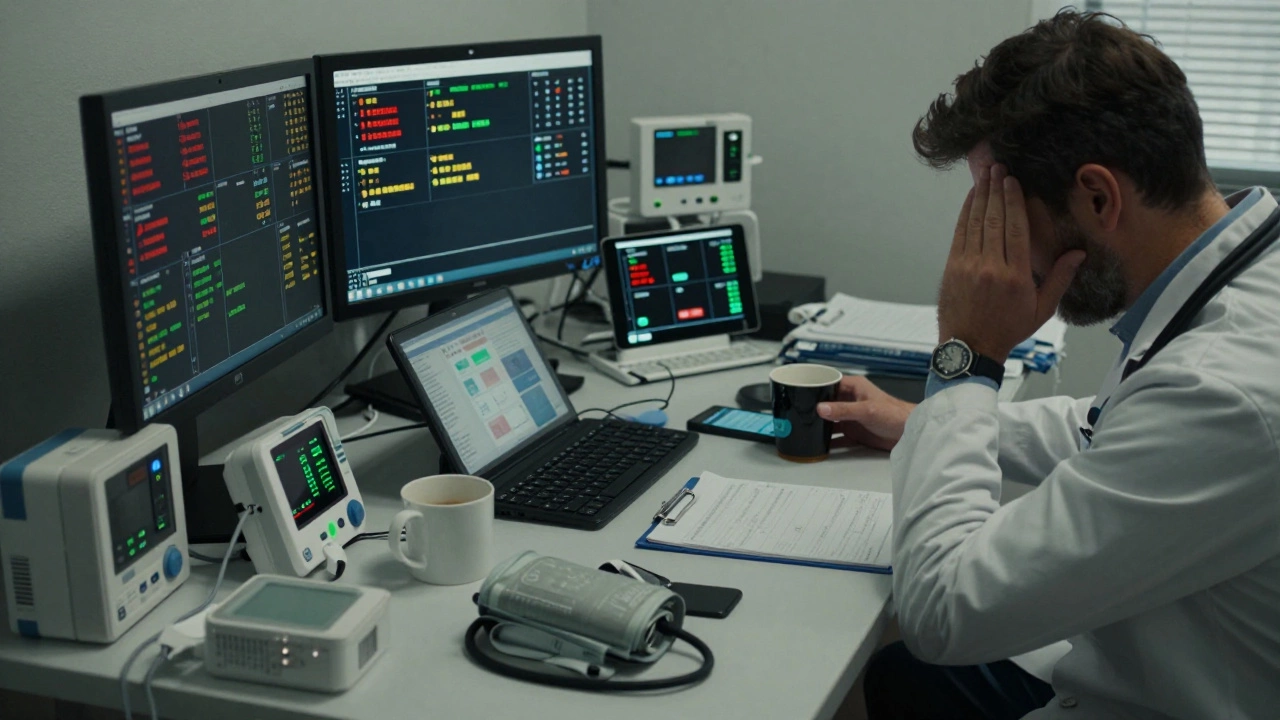
Older Adults Struggle the Most
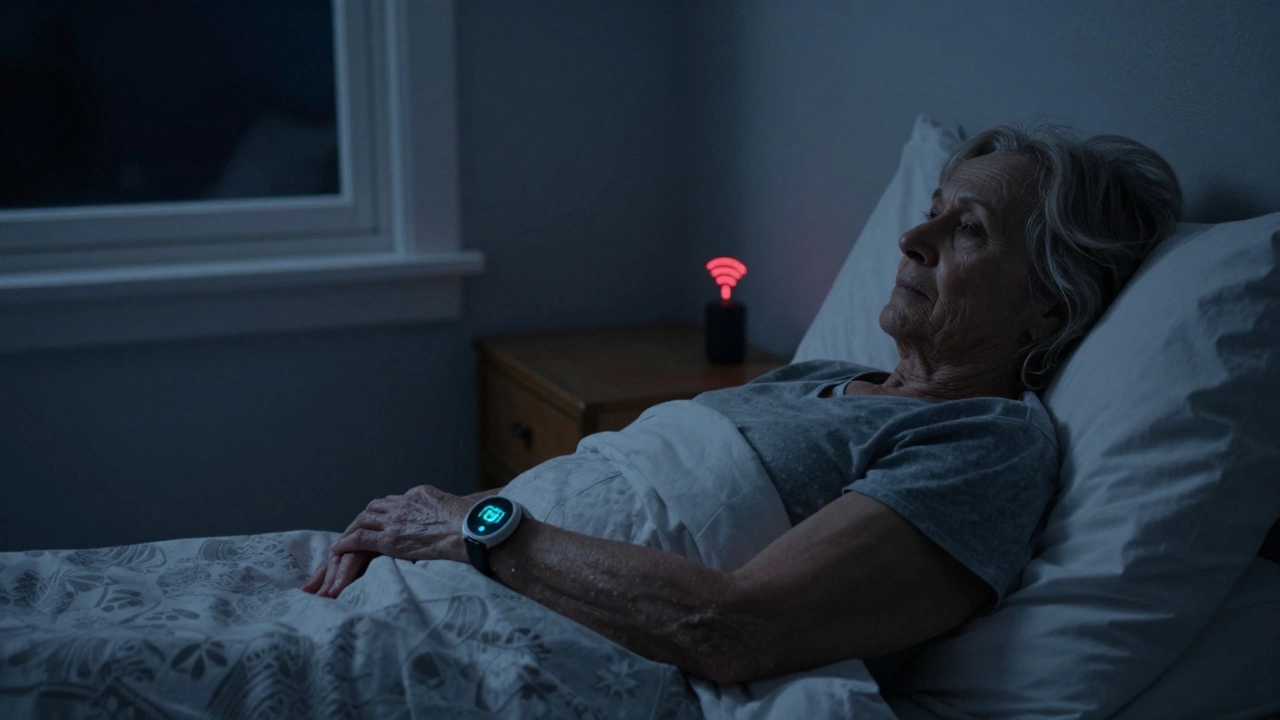
Remote monitoring sounds great-until you’re 80 and can’t figure out how to charge the device. A 2022 study found patients over 75 needed 3.2 times more help using these systems than younger users. Sixty-one percent needed someone to help them turn it on, pair it with their phone, or interpret the app. Many give up after a few weeks. And it’s not just confusion. Some seniors feel guilty asking for help. Others think the device is a surveillance tool. One woman stopped wearing her monitor because she thought her daughter was watching her every move. That’s not health tech-that’s isolation.People Stop Using Them-Fast
Here’s the cold truth: 58% of patients stop using remote monitoring within 90 days. Why? Complexity. 73% say the setup is too hard. 68% say they don’t see any real benefit. If your doctor doesn’t respond to your data, or if you get no feedback, why keep going? One man with heart failure stopped wearing his monitor after three months because he never got a call back-even when his readings were off. He told his nurse, “If it doesn’t help me, why do I have to wear it?” That’s the problem. Without meaningful interaction, RPM becomes a chore.It Doesn’t Talk to Your Other Health Tools
You’ve got a glucose monitor, a blood pressure cuff, a sleep tracker, and a fitness band-all from different brands. Each sends data to a different app. Your doctor can’t see it all in one place. A 2022 report found only 31% of remote monitoring systems connect properly with electronic health records. That means your doctor has to manually type in numbers from your phone. That’s 19 extra minutes per visit. It’s inefficient. It’s error-prone. And it defeats the whole purpose of automation.