Baby Monitor Readiness Checker
Use this checklist to evaluate if your child (and you!) are ready to phase out the monitor. Select all that apply to your current situation.
Communication & Autonomy
Safety & Environment
Parental Well-being
Readiness Score
| Age Range | Typical Status | Key Milestone |
|---|---|---|
| 0-12 Months | Essential | Sleep consolidation & safety |
| 18-24 Months | Optional/Considering | Verbal communication begins |
| 2-4 Years | Phasing Out | Independence & privacy needs |
| 4+ Years | Usually Discontinued | Full autonomy in bedroom |
The Age Debate: Is There a Magic Number?
If you ask a dozen parents, you'll get a dozen different answers. Some stop the moment their baby hits one year, while others keep the camera rolling until preschool. Generally, parenting experts suggest the window between 2 and 4 years old is the sweet spot for full discontinuation. In the first year, monitors are non-negotiable. Between 4 and 6 months, sleep patterns start to stabilize, but you're still dealing with middle-of-the-night feeds. By the time they hit 9 to 12 months, many babies sleep longer stretches, and some parents start feeling a bit more relaxed. However, the real shift usually happens during toddlerhood (roughly 18 to 24 months). This is when children start talking and moving with a lot more purpose, making the "surveillance" feel less like a safety necessity and more like a habit.Signs Your Child is Ready to Go Screen-Free
Age is just a number, but behavior is a fact. Instead of watching the clock, watch your child. There are a few concrete indicators that the monitor has served its purpose. First, look at their communication. Can they tell you they're awake? If your child can clearly say "I'm okay" or "Mom, I'm awake," the need for a constant audio feed drops significantly. Then there's the physical side. If they can get in and out of bed without help and your room is fully childproofed, the risk of a midnight "adventure" causing a crisis is much lower. One of the biggest clues, however, comes from the child themselves. Around age 3 or 4, kids develop a sense of self. They might start asking why the camera is there or express that they don't want to be watched. When a child starts seeking privacy, forcing the monitor to stay on can actually hinder their sense of autonomy and psychological development.When the Monitor is Actually Hurting Your Sleep
We buy monitors for peace of mind, but sometimes they do the opposite. Have you ever found yourself staring at the screen for twenty minutes, analyzing a slight change in their breathing, even though you know they're fine? This is where monitors can become a bit "addictive." For parents prone to anxiety, high-sensitivity monitors can be a nightmare. They pick up the house settling or a distant car, waking you up with a false alarm. If you're waking up every time the monitor beeps, your own sleep quality plummets. There is a tipping point where the stress of monitoring outweighs the safety benefit. In these cases, turning off the monitor isn't just about the child's age-it's about your own mental health and ability to function the next day.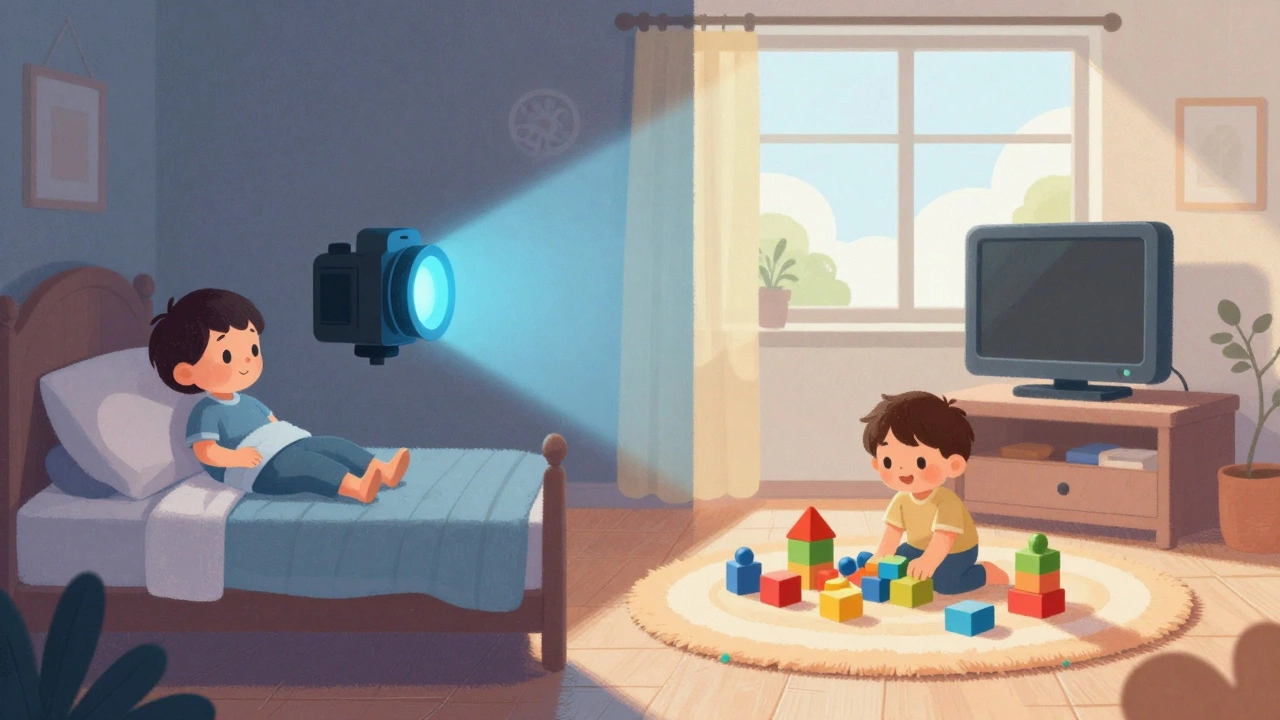
How to Wean Off the Monitor Without Panicking
Going from 24/7 surveillance to total silence is a huge jump. If the idea of turning it off completely makes you twitchy, try a phased approach. It's much easier on both you and the kid.- The Distance Shift: Move the camera or audio unit further away from the crib. Try placing it by the bedroom door instead of right next to the pillow. This reduces the "noise pollution" and forces you to rely more on your own hearing.
- The Scheduled Gap: Start by turning the monitor off for a specific window, like between 8 PM and 10 PM. Know that you'll check on them manually at 10, and use that gap to get used to the silence.
- The "Check-In" Method: Replace the constant screen-watching with a set routine of physical checks every hour. This builds trust in your own intuition rather than relying on a digital image.
Environmental Factors That Change the Game
Your home layout plays a massive role in this decision. If you live in a small apartment where you can hear a Lego brick drop three rooms away, you probably don't need a monitor nearly as much as someone living in a sprawling two-story house. Consider the geography of your home. Can the child navigate to your room safely if they wake up? If the path is clear and secure, the monitor becomes less of a safety tool and more of a convenience. Likewise, if you have other children in the house, the dynamics change. A toddler might be fine without a monitor, but if they have a habit of waking up a younger sibling, you might keep it active just to catch the "intruder" in the act.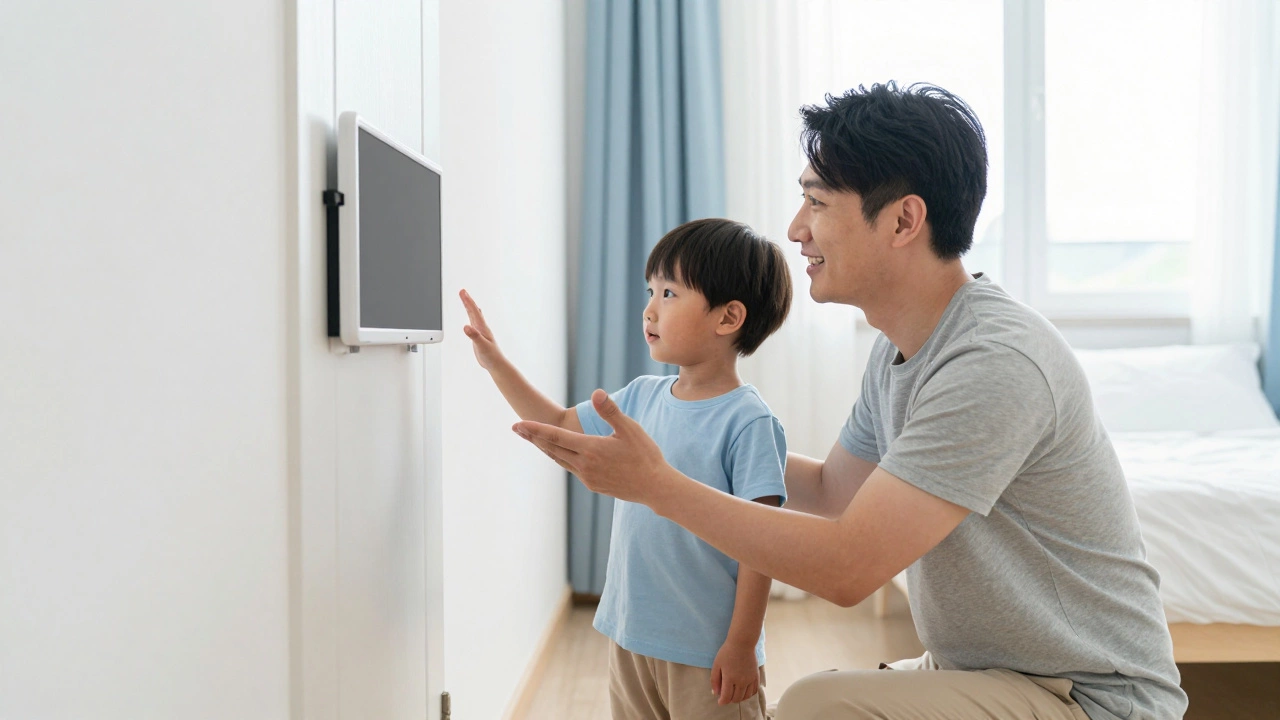
Privacy and the Psychology of Being Watched
As kids enter the preschool years, they begin to understand the concept of observation. While it seems innocent to us, a 4-year-old might feel a subconscious pressure to "behave" because the camera is there. This can stifle their natural play and creativity in their own space. Giving a child a sense of privacy in their bedroom is a foundational step in building trust. When you decide to remove the monitor, explain it to them. Tell them, "You're a big kid now, and I trust you to tell me when you need me." This transforms a technical change into a developmental win, making them feel proud of their independence.Is it safe to stop using a monitor at 2 years old?
Yes, for most healthy children in a childproofed environment, age 2 is a very common time to start phasing out monitors. If your child sleeps through the night and can communicate their needs, the safety risks are minimal compared to the infancy stage.
What if my child is a "light sleeper" or has anxiety?
If your child struggles with sleep transitions or has specific needs, it's perfectly okay to keep the monitor longer. Every child is different. Trust your gut over a general age recommendation if you feel the extra supervision is providing necessary support for your child's specific temperament.
Should I use a breathing monitor instead of a video monitor?
Breathing monitors are generally used for high-risk infants or those with medical concerns. For a healthy toddler, these are usually unnecessary and can actually increase parental anxiety by providing too much data that may be misinterpreted.
My child is 4 and still wants the monitor. Is that normal?
Some children find the presence of the monitor comforting, knowing that parents are "connected" to them. If they explicitly ask for it, you can transition to an audio-only monitor or a simple check-in routine to maintain that feeling of security without constant surveillance.
Does turning off the monitor help the child sleep better?
While the monitor itself doesn't usually affect the child's sleep, the parent's behavior does. When parents stop obsessively checking the monitor, they often sleep better, which leads to more patience and better mood during the day, creating a more stable environment for the child.