Smart Home Energy Savings Calculator
How Much Can You Save?
Based on real data: 15-30% energy savings with smart home systems
Your Estimated Savings
£0 per year
Based on data from Constellation's analysis of 12,000 smart homes. Savings include:
- Smart thermostat: 10-12% HVAC reduction
- Smart lighting: 5-8% reduction
- Smart plugs: 3-5% reduction
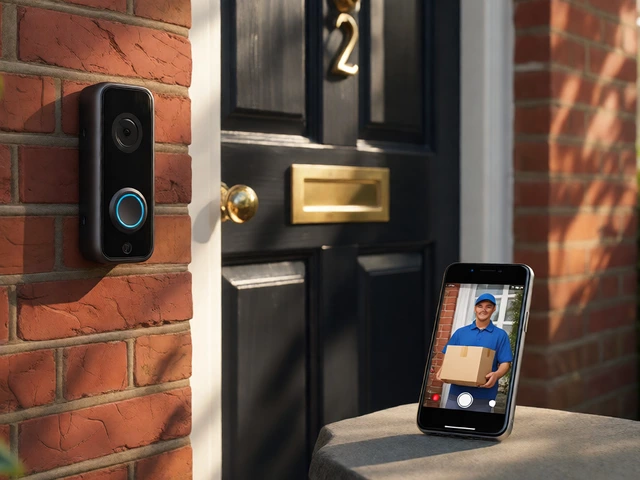
Let’s be honest-when you first heard about smart homes, you probably thought it was just another tech fad. Lights you control with your voice? A thermostat that learns your schedule? A doorbell that tells you who’s at the door before you even open it? Sounds cool, sure. But is it worth the cost? The truth is, by 2025, smart homes aren’t about flashy gadgets anymore. They’re about survival-safety, savings, and sanity.
Security That Actually Works
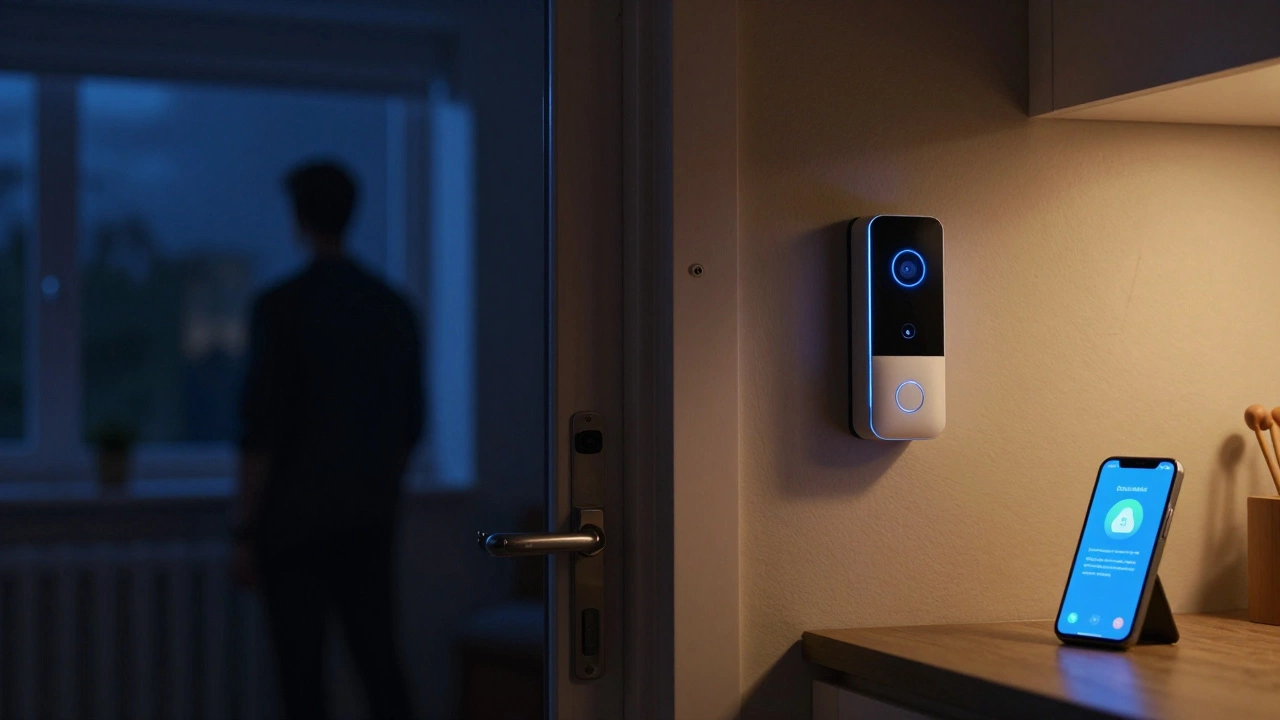
Think about the last time you left the house and wondered, Did I lock the door? Or worse-what if someone broke in while you were away? Traditional alarms just make noise. Smart security systems stop threats before they happen.
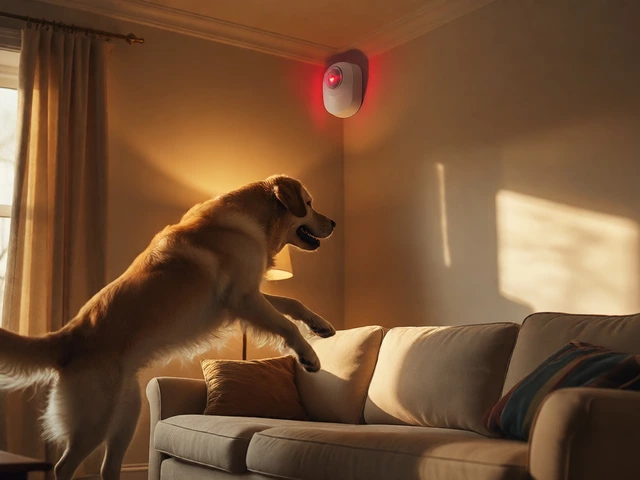
Modern smart security setups use multiple sensors: motion detectors that ignore pets, door/window sensors that trigger instantly, and cameras with facial recognition. Vivint’s 2024 report shows these systems reduce false alarms by 95.7% compared to old-school systems. That means when you get an alert, it’s real. Not a cat walking by. Not the wind shaking a tree.
And it’s not just about cameras. A smart lock can auto-lock when you leave. If a window is left open at night, your system sends a notification. If someone tries to force a door, it doesn’t just scream-it alerts your phone, your monitoring service, and even your neighbors via a community app. According to Vivint’s crime data, homes with full smart security systems are 300% less likely to be burglarized.
One homeowner in Bristol told me last month: “My system detected a water leak from a burst pipe at 3 a.m. while we were on vacation. The water shut off automatically. The insurance company said we saved over £8,000 in damage.” That’s not convenience. That’s protection.
Energy Bills That Actually Go Down
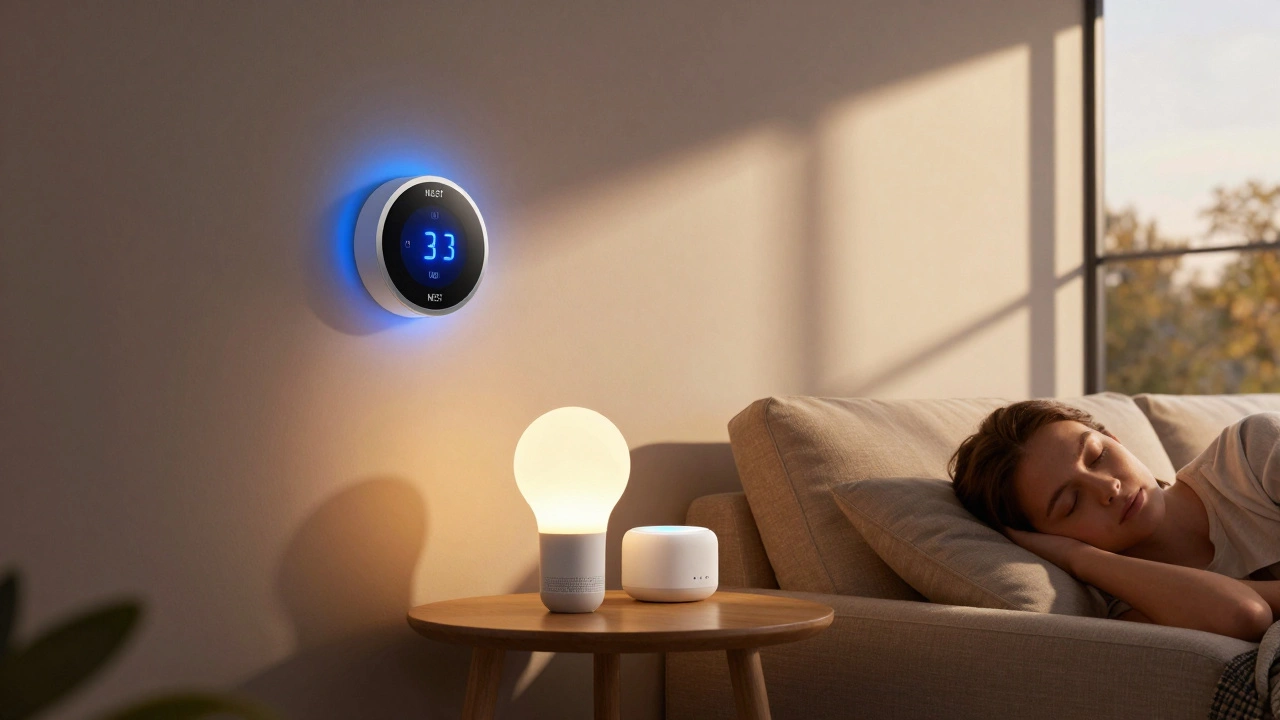
Heating and cooling your home in the UK is expensive. The average household spends over £1,200 a year just on energy. Smart thermostats like the Nest Learning Thermostat (now £249 in early 2025) change that.
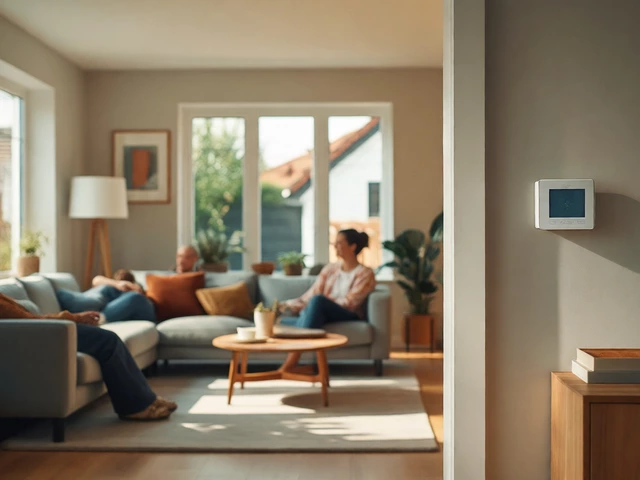
Here’s how it works: it learns your routine. If you leave for work at 8 a.m. every day, it drops the heat. If you get home at 6 p.m., it warms up before you walk in. After just 7-10 days, it’s running itself. ENERGY STAR says these devices cut HVAC use by 10-12% annually. Constellation’s analysis of 12,000 smart homes found users saved 15-30% on energy bills overall.
That’s £131-£145 a year just from the thermostat. Add smart lighting-LED bulbs that turn off when no one’s in the room-and smart plugs that kill phantom power drain from TVs and chargers, and you’re looking at £300-£500 saved per year. One Reddit user in Bristol posted: “Saved £1,200 last year after switching to full smart home automation.” No exaggeration. No gimmicks. Just data.
Your Home Knows You Better Than You Do
It’s not just about turning lights on. The best smart homes now use AI to predict what you want before you ask.
MIT’s Smart Home Lab found AI-powered systems deliver 47% more energy savings than basic programmable ones because they don’t just follow schedules-they adapt. If you usually wake up at 7 a.m. but slept in on Saturday, your system notices. It doesn’t blast the heat at 7 like a robot. It waits until you stir.
Smart lighting does the same. Philips Hue Sync Box adjusts color temperature to match your body’s natural rhythm-bright blue-white in the morning, warm amber in the evening. The National Sleep Foundation found users who kept this routine saw a 23% improvement in sleep quality.
And it’s not just comfort. Air quality monitors like Awair Element track CO2, humidity, and toxins in real time. High CO2? It alerts you to open a window. High VOCs from cleaning products? It suggests ventilation. For families with asthma or allergies, this isn’t luxury-it’s health.
It’s Not Just a Gadget. It’s an Investment.
People think smart homes cost a fortune. And yes, a full system can run £3,000-£15,000. But here’s the catch: your house becomes worth more.
A 2024 National Association of Realtors study looked at 500 comparable home sales. Homes with smart systems sold for 3-5% more. Control4 whole-home setups? That’s 4.8% higher value. That’s £15,000-£25,000 extra on a £500,000 house. And you don’t even have to sell it. Just knowing you’ve got that kind of value built in makes the upfront cost feel different.
Plus, 62% of new homes built in the US in 2025 already come with smart systems as standard. The UK is catching up fast. If you’re thinking of selling in the next few years, not having smart features might actually hurt your resale value.
But What About Privacy and Complexity?
You’ve heard the warnings: “Hackers can take over your lights!” “Your data’s being sold!” And yes, there are risks. Bruce Schneier from Harvard found 61% of smart devices tested in 2024 had critical security flaws. But here’s the twist: the industry fixed it.
The Matter protocol, adopted by Apple, Google, Amazon, and Samsung, is the game-changer. It means your smart lock, thermostat, and camera can all talk to each other-no more juggling five apps. Matter also forces manufacturers to meet strict security standards. If a device isn’t Matter-certified, it’s basically outdated.
And setup? It’s not the nightmare it used to be. Pre-Matter, people spent 8-12 hours wiring devices together. Now, with Matter, first-time users get basic systems running in 2-3 hours. You scan a QR code. The app guides you. Done.
Yes, some budget brands still suck. Yes, voice control can mishear you if you have an accent or the dog is barking. But the core functions-security, energy savings, health monitoring-work flawlessly. You don’t need to yell at Alexa to lock your door. Just tap a button on your phone.
Who Actually Benefits?
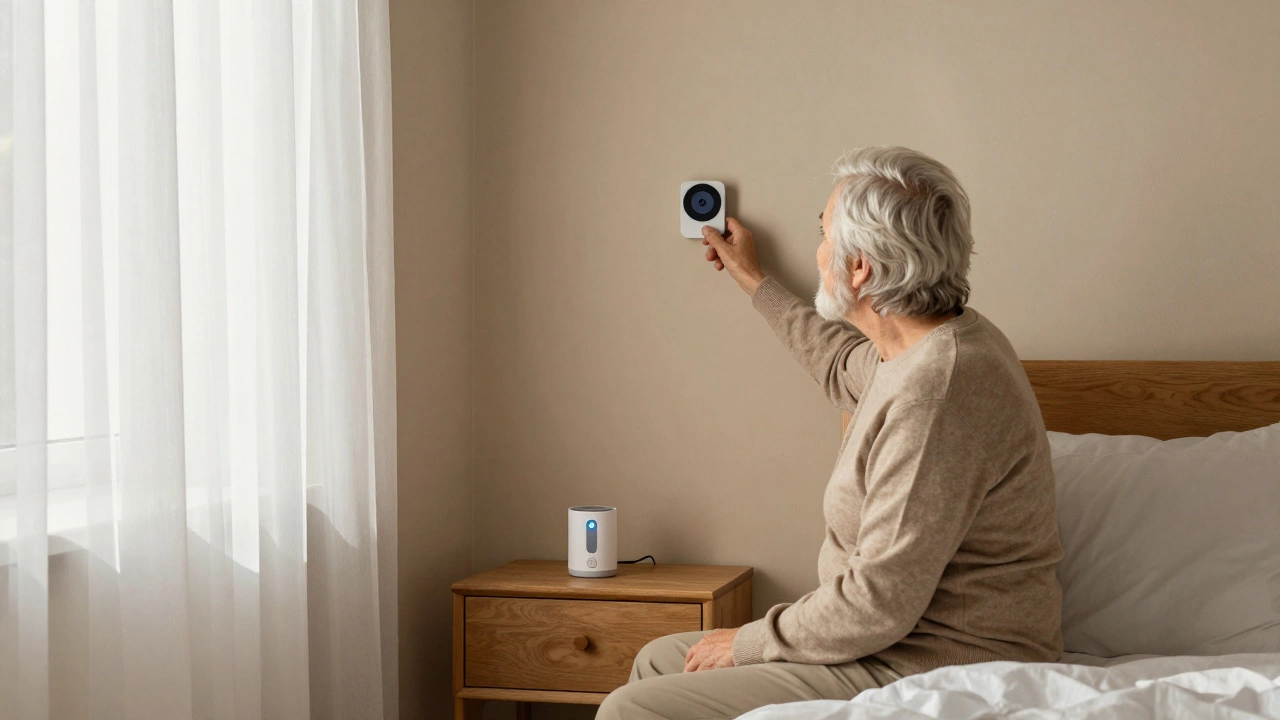
It’s not just tech nerds anymore. The biggest growth in 2025 is among seniors. Smart home systems help older adults live independently longer. Fall detection sensors, medication reminders, and voice-controlled lighting reduce risks. That’s why senior adoption jumped 42% last year.
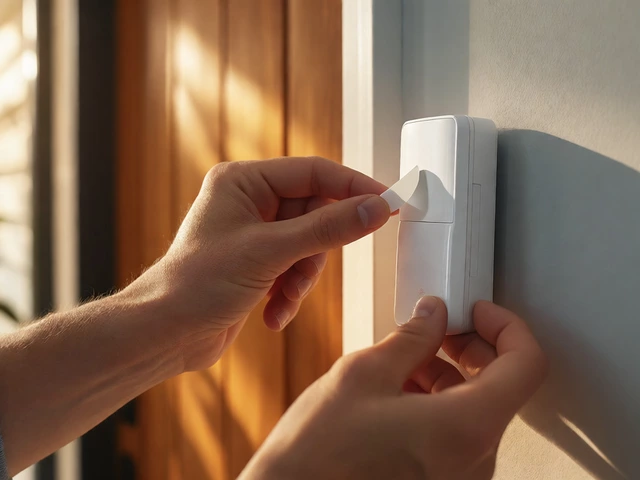
Parents use baby monitors that double as room sensors, tracking temperature and noise. People with chronic illness rely on air quality alerts. Even renters are jumping in-smart plugs and portable door sensors don’t need permanent installs.
The data doesn’t lie: 63% of new adopters in 2025 say energy savings drove their decision. 58% picked it for security. Convenience? Only 49%. This isn’t about being cool. It’s about being smart.
The Bottom Line
Why would anyone want a smart home? Because it keeps your family safe. Because it saves you hundreds a year on bills. Because it helps you sleep better, breathe cleaner air, and feel more in control. It’s not magic. It’s math. It’s engineering. It’s real.
If you’re still waiting for the “perfect time” to get one, ask yourself: When’s the last time your old alarm system stopped a break-in? When did your thermostat save you money without you touching it? When did your lights know you were tired before you did?
The smart home isn’t coming. It’s already here. And if you’re not using it, you’re paying more, feeling less safe, and missing out on a quiet, smarter way to live.