Home Security Deterrence Calculator
Select the security measures present at your home:
Estimated Deterrence Score
Chance of Deterring Entry
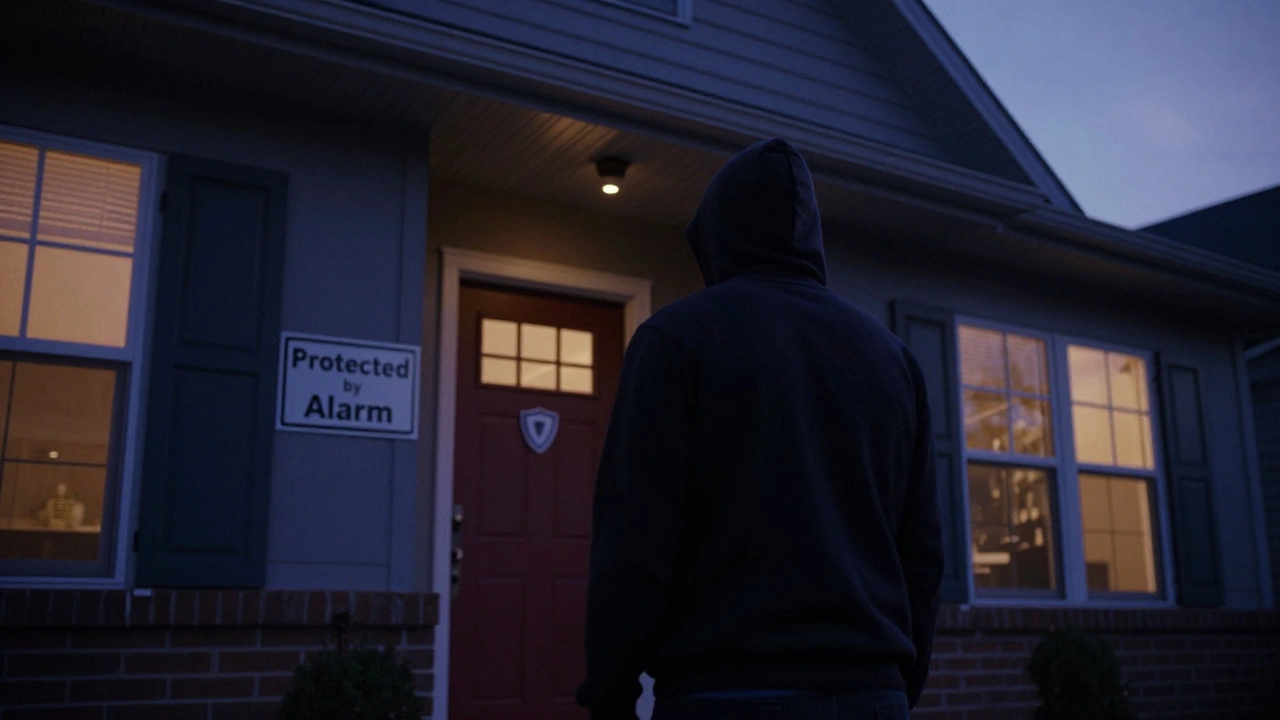
Based on cumulative security layersImagine a burglar standing outside your front door. They aren't thinking about the value of your TV or jewelry yet. Their first thought is risk. How long will this take? Will anyone hear them? Is there an alarm? This split-second decision determines whether you become a victim or just another house they passed by. The short answer to whether burglar alarms stop burglars is yes, but with important caveats. They don't create an impenetrable force field. Instead, they manipulate the criminal's perception of risk versus reward.
For decades, homeowners have debated if investing in an burglar alarm system is worth the monthly fee or installation hassle. Recent data from offender surveys and academic studies paints a clearer picture than ever before. Alarms are highly effective at deterring entry attempts and causing intruders to flee once inside, but their power lies in visibility and integration with other security measures. Understanding how these systems work-and how criminals react to them-can help you protect your home more effectively without overspending on unnecessary features.
The Psychology of Deterrence: Why Visible Alarms Work
Criminology relies heavily on situational crime prevention theory, which suggests that increasing the perceived effort and risk of a crime reduces its occurrence. Burglar alarms fit perfectly into this framework. A 2026 synthesis reported by Security.org found that 80 percent of surveyed burglars actively check for alarm systems before attempting a break-in. Of those, approximately 60 percent said the presence of a visible security system would deter them from targeting that specific home entirely.
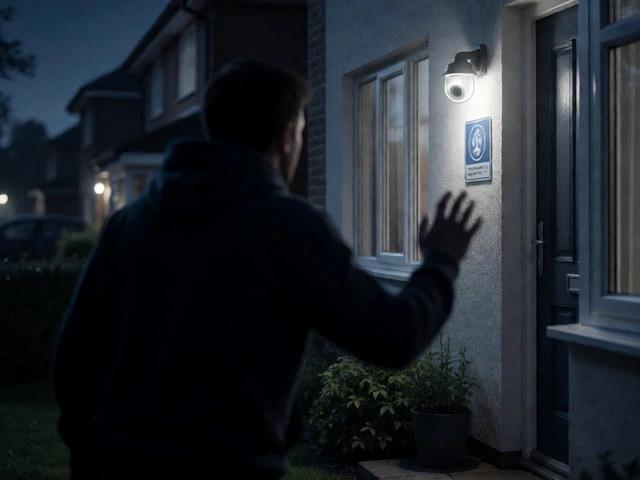
This isn't just about fear; it's about efficiency. Most residential burglaries are crimes of opportunity committed by offenders who want a quick exit. CPI Security’s research highlights that 83 percent of burglars try to determine if an alarm is present before choosing a target. If they see yard signs, window stickers, or visible keypads, many simply move on to an easier mark. Even low-cost visual indicators like security signs alone deter about 25 percent of potential intruders. This means that part of the "alarm" is actually the marketing of having one.
| Security Feature | Deterrence Rate (Approx.) | Primary Effect |
|---|---|---|
| Visible Alarm System + Cameras | 53% - 60% | Prevents initial targeting |
| Security Signs/Stickers Only | 25% | Psychological deterrent |
| Active Audible Siren | 87% - 95% | Causes immediate flight during attempt |
| Large Aggressive Dog | High (Variable) | Increases physical risk/perceived danger |
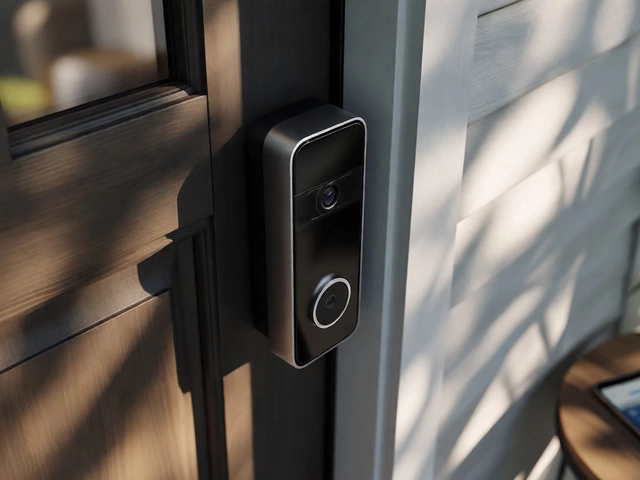
It is crucial to note that deterrence works best when combined. A sign alone might scare away an amateur, but a determined offender might ignore it. However, a sign paired with visible cameras and a keypad creates a layered defense that signals high risk. Security.org’s 2026 review indicates that visible home security cameras and integrated systems deter approximately 53 percent of burglars, showing that redundancy strengthens the psychological barrier.
What Happens When the Alarm Goes Off?
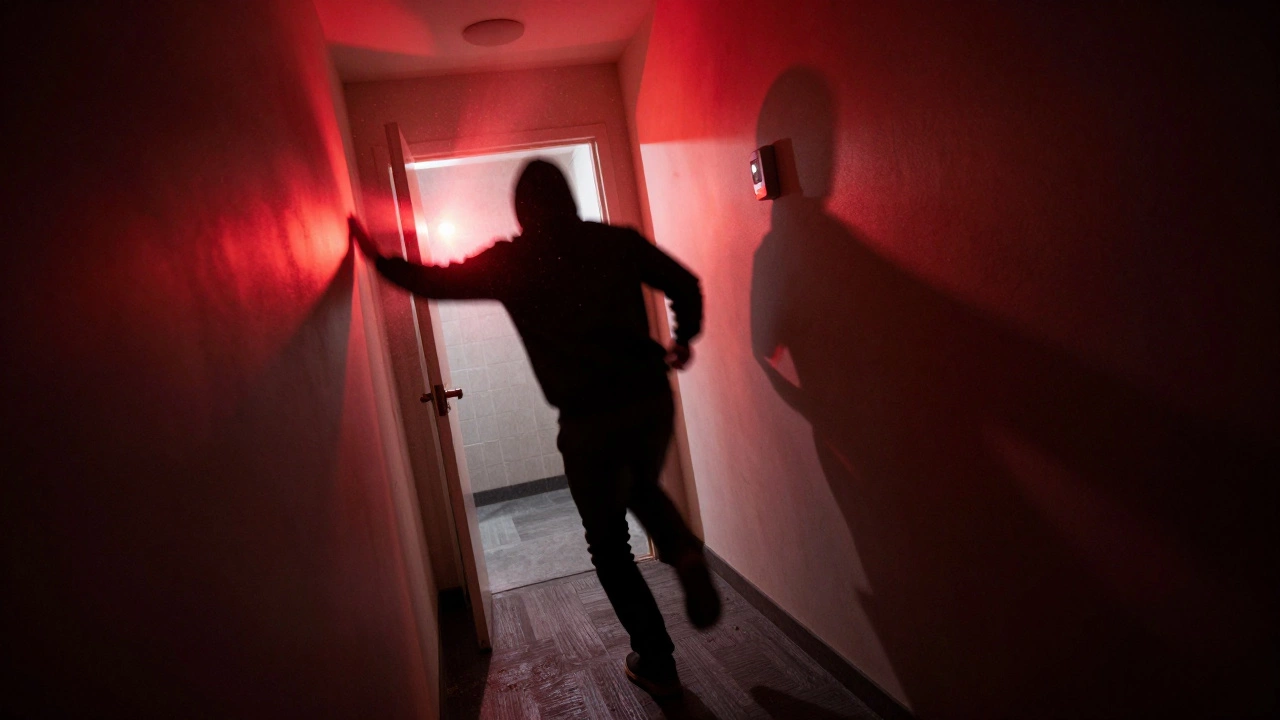
If a burglar ignores the warning signs and triggers the alarm, does it stop them? The data suggests it does, in most cases. Moore Protection’s 2025 analysis of law-enforcement reports states that audible alarms cause approximately 95 percent of burglars to flee immediately upon activation. SafeHome.org aligns with this, reporting that only 13 percent of burglars would continue an attempted burglary after realizing an alarm had activated. This implies that 87 percent abort the mission once the noise starts.
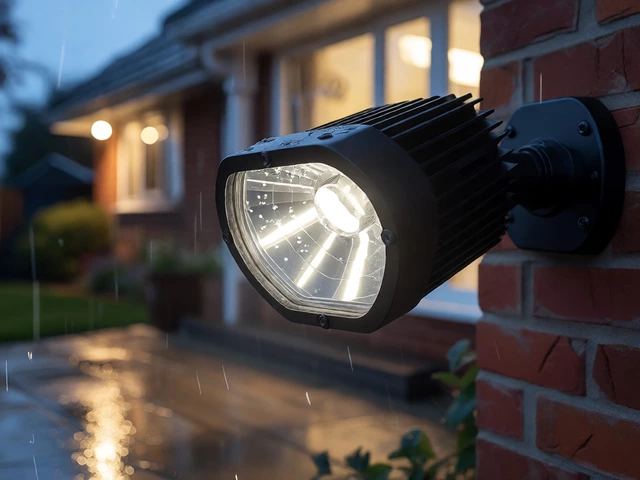
Why do they run? Time is the enemy of the burglar. Offender interviews summarized by CPI Security reveal that burglars prefer targets where they can be in and out within 8 to 12 minutes. An alarm shatters this timeline. It draws attention from neighbors, potentially triggers a police response, and increases the likelihood of identification. SABRE’s 2025 compilation of real burglar confessions notes that loud sirens, rapid exterior lighting changes, and barking dogs are specific triggers that cause offenders to panic and leave. The goal of the alarm isn't necessarily to catch the criminal; it's to make staying in the house too dangerous and time-consuming.
However, "stopping" a burglar doesn't always mean preventing entry. In some cases, the intruder may already be inside when the motion sensor trips. Here, the alarm serves as a tripwire rather than a barrier. While it rarely prevents the initial breach if sensors are bypassed, it drastically reduces the duration of the intrusion and the amount of property stolen. For monitored systems, the central station may attempt verification via video or phone call before dispatching police, adding another layer of pressure on the intruder to vacate quickly.
The Neighborhood Effect: Do Alarms Protect Everyone?
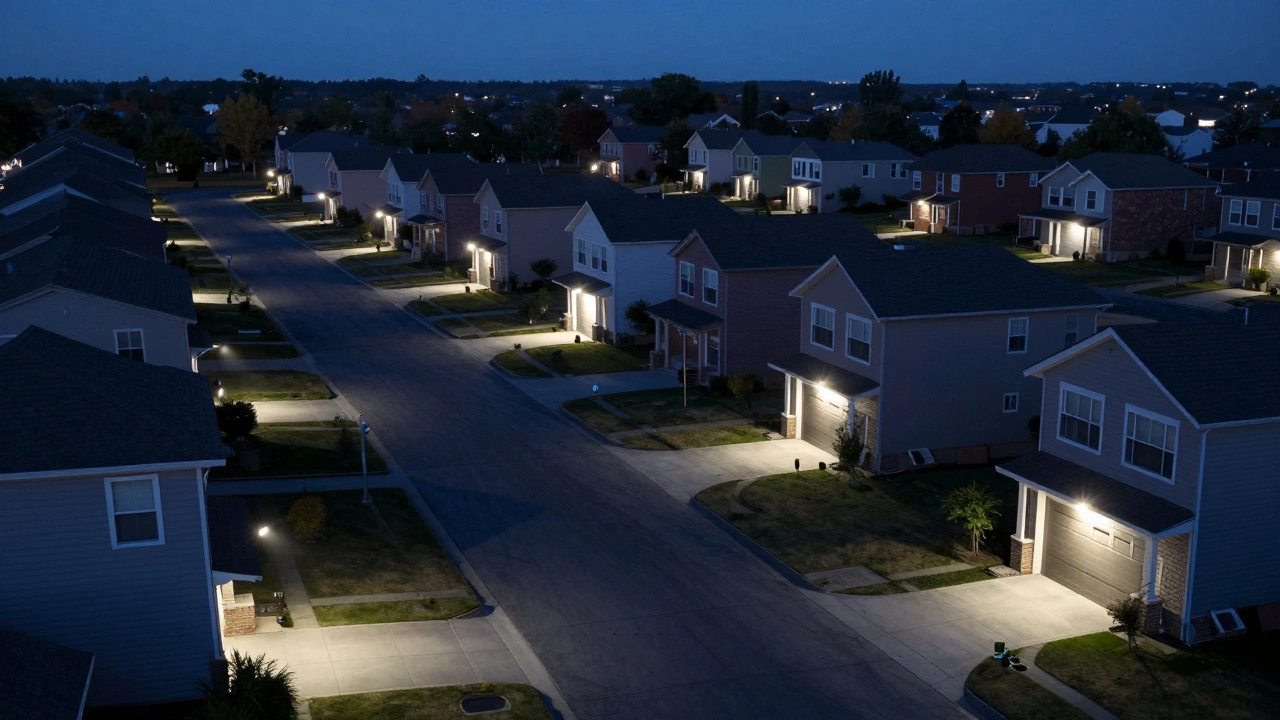
One of the most compelling arguments for widespread alarm adoption comes from neighborhood-level studies. A frequently cited Rutgers School of Criminal Justice study published in 2009 examined residential burglary trends across areas with different densities of alarm systems. The researchers found that neighborhoods with higher concentrations of burglar alarms experienced fewer residential burglaries overall, even after controlling for income and other demographic factors.
Crucially, the study found no evidence of "displacement." Displacement occurs when crime moves from one area to another because the original location became too difficult to target. Instead, the Rutgers team observed a "diffusion of benefits," where the presence of alarms reduced crime not just for subscribers but for the entire surrounding area. Habitec Security’s 2026 summary reinforces this, noting that alarm prevalence did not shift burglaries to nearby non-alarmed houses but correlated with broader reductions in local burglary rates. This suggests that a critical mass of secured homes makes the entire neighborhood less attractive to organized or opportunistic criminals.
Skeptical Views and Limitations
Despite the strong deterrence numbers, we must address the limitations. Angi’s 2024 review points out that while some studies claim homes without security systems are three times more likely to be burglarized, other research shows only modest decreases in crime after installation. Critics argue that earlier high multiples may reflect differences in neighborhood wealth or occupancy patterns rather than the alarms themselves. Wealthier neighborhoods often have both more alarms and lower crime rates due to socioeconomic factors, making it hard to isolate the alarm's impact.
Furthermore, offender self-reports have inherent biases. A Reddit r/askscience discussion from 2013 highlighted that burglars responding to surveys may not represent all offenders, and social desirability bias might lead them to overstate how much alarms deter them. Additionally, forum conversations with former burglars, such as a 2019 interview on IPCamTalk, reveal that experienced criminals can sometimes identify poorly installed systems or those prone to false alarms. If a system is known to trigger falsely, it loses its credibility and becomes background noise. SABRE’s 2025 report notes that some offenders were less intimidated by systems they recognized as unreliable, emphasizing that quality and user behavior matter significantly.
Maximizing Effectiveness: Best Practices for Homeowners
To get the most out of your burglar alarm system, you need to treat it as part of a layered defense strategy. Relying solely on the siren is insufficient. Here are practical steps based on expert advice and offender insights:
- Visibility is Key: Use yard signs and window stickers prominently. As noted, 80 percent of burglars check for alarms. Make sure they see yours.
- Layer Your Sensors: Don't just rely on door contacts. Burglars often bypass these by breaking glass. Install glass-break detectors near large patio doors and windows. Add interior motion sensors in central hallways to create overlapping detection zones.
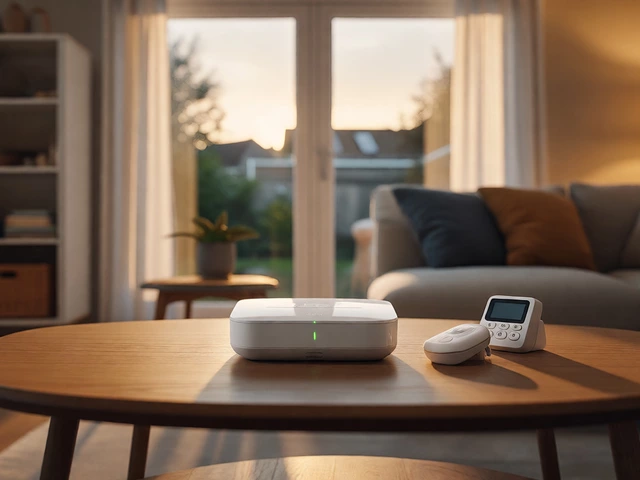
- Use Cellular or Wireless Communication: Older landline-based systems can be defeated by cutting phone lines. Modern wireless or cellular modules ensure alerts are sent even if exterior lines are severed. Visible cellular branding on signs can also deter tech-savvy offenders.
- Maintain Consistency: False alarms reduce trust in your system. Test sensors regularly, replace batteries promptly, and ensure all household members know how to arm and disarm the system correctly. Angi notes that repeated false alarms can lead to fines and cause owners to disable features, inadvertently reducing security.
- Combine with Lighting and Occupancy Cues: State Farm’s interview with a reformed burglar emphasized that consistent occupancy cues-like cars in the driveway, rotating lights, and collected mail-combined with an alarm system make homes not worth the risk. Motion-activated outdoor lighting complements alarms by removing shadows where intruders hide.
Remember, the best alarm is one that is consistently armed. User errors remain a significant vulnerability. Many burglaries occur in homes with installed systems that were left disarmed. Establish routines so that arming the system becomes as automatic as locking your car.
Comparing Alarms to Other Security Measures
How do alarms stack up against cameras, dogs, or smart locks? Each has strengths and weaknesses. Security.org’s 2026 camera-deterrence analysis reports that visible cameras deter about 53 percent of burglars, similar to alarms. However, cameras primarily serve as evidence collection tools post-event, whereas alarms provide real-time interruption. Combining both offers redundancy: the alarm stops the action, and the camera captures the perpetrator.
Dogs remain a powerful deterrent. The 2019 IPCamTalk burglar interview ranked a large aggressive dog as a top-three deterrent alongside obvious alarm systems and alert neighbors. Dogs provide an unpredictable element that technology cannot replicate. However, they require care and training, and not all households can accommodate them. Smart locks add convenience and access control but do not inherently detect intrusions unless integrated with an alarm hub.
Ultimately, the most secure homes use a hybrid approach. Vivint’s 2023 resource notes that professional systems combining alarms, cameras, and smart locks significantly decrease burglary risk. DIY kits offer lower costs but may lack the integration and monitoring support of professional installations. Choose based on your budget, technical comfort, and desired level of monitoring.
Do burglar alarms really prevent break-ins?
Burglar alarms do not physically block entry, but they significantly deter break-ins. Studies show that 60% of burglars avoid homes with visible alarms, and 87% flee if an alarm is triggered. They work by increasing perceived risk and reducing the time an intruder feels safe inside.
Is a monitored alarm better than a local siren-only system?
Yes, monitored systems are generally more effective. While a local siren scares off many intruders, a monitored system ensures that police or security professionals are notified even if you are not home. This adds a layer of accountability and faster response, which further deters determined criminals.
Can burglars easily disable modern alarm systems?
Modern wireless and cellular systems are difficult to disable remotely. Intruders would need physical access to tamper with sensors or the control panel, which usually triggers a tamper alert. Cutting phone lines no longer defeats cellular-connected alarms, making them much more resilient than older landline-based systems.
Do false alarms reduce the effectiveness of my security system?
Yes, frequent false alarms can undermine effectiveness. Neighbors may ignore sirens, and police responses may be delayed. Additionally, some jurisdictions impose fines for excessive false alarms. To maintain credibility, test sensors regularly, train users properly, and consider video verification features to confirm genuine threats before alerting authorities.
Should I combine my alarm with security cameras?
Absolutely. Combining alarms with cameras provides a comprehensive security solution. Alarms interrupt the crime in real-time, while cameras document the event and provide evidence. Together, they deter approximately 53% of burglars and offer redundancy, ensuring that if one system fails or is ignored, the other still protects your home.