Home Security Risk & Cost Calculator
System Configuration
Risk Assessment Checklist
Select factors that apply to your setup:
Analysis Results
Total Cost of Ownership
Includes monitoring fees and estimated maintenance.
Vulnerability Score
Calculating...Update inputs to see risk level.
We often think of home security systems as the ultimate shield against intruders. We picture a sleek control panel, high-definition cameras watching every corner, and instant police response if anything goes wrong. But behind that polished marketing image lies a reality that many homeowners find frustrating, expensive, and sometimes even risky. While these systems certainly have their place, they come with significant downsides that can turn peace of mind into daily stress.
You might be wondering why so many people are reconsidering their investment in these devices. The answer isn't just about cost-it's about complexity, privacy erosion, and the uncomfortable truth that technology isn't always reliable when you need it most. Let’s look at the real-world problems that keep people up at night, long after the installer has left.
The Hidden Cost Trap
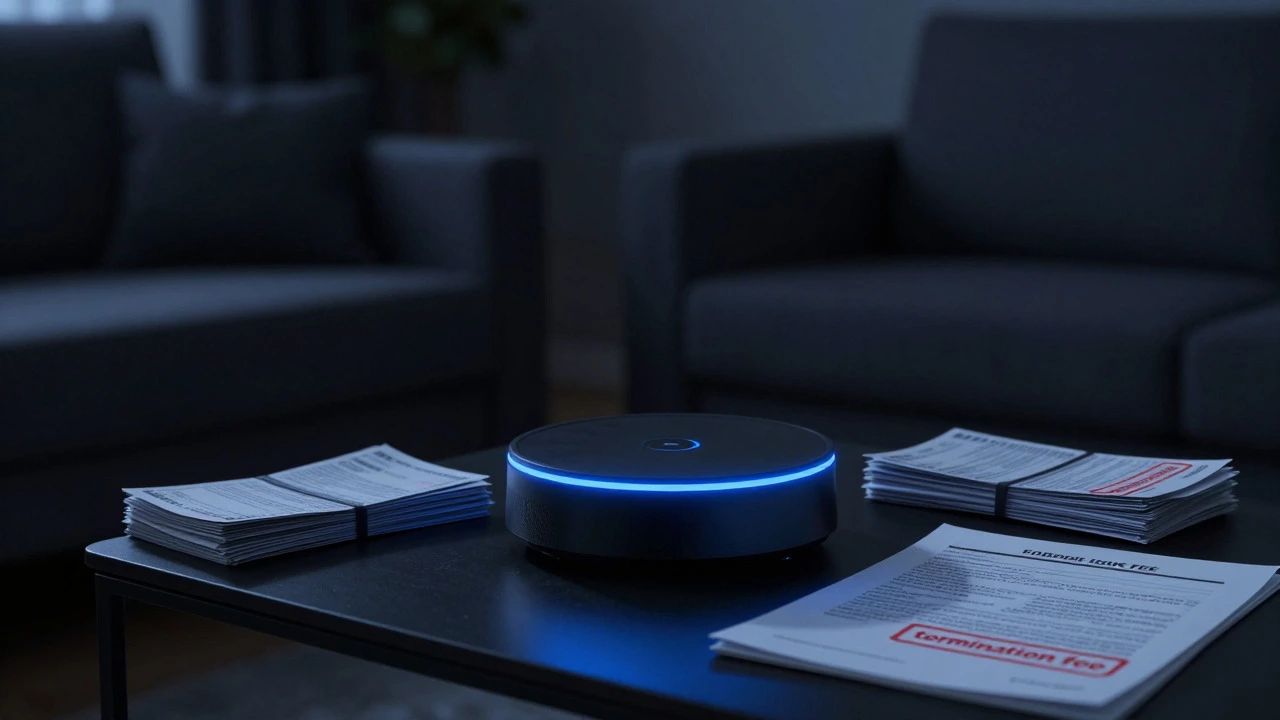
The first thing that hits you is the price tag. It’s not just the upfront cost of buying sensors, cameras, and hubs. It’s the ongoing financial commitment that creeps up on you over time. Many professionally monitored systems require contracts ranging from 24 to 60 months. If you try to leave early, you’re hit with termination fees that can run into hundreds of pounds or dollars.
- Monthly Monitoring Fees: These subscriptions can rival your electricity bill. Over three years, this adds up to thousands, for a service you might rarely use.
- Equipment Lock-in: Proprietary hardware means you can’t easily swap out a broken sensor for a cheaper generic one. You’re stuck with the brand’s pricing.
- Maintenance Costs: Batteries die, lenses get dirty, and firmware updates break compatibility. Who pays for the technician to fix it?
If you opt for a DIY home security system to save money, you might avoid the contract, but you lose the safety net of professional support. You become the IT department, the maintenance crew, and the emergency coordinator all at once.
False Alarms: A Nuisance That Bites Back
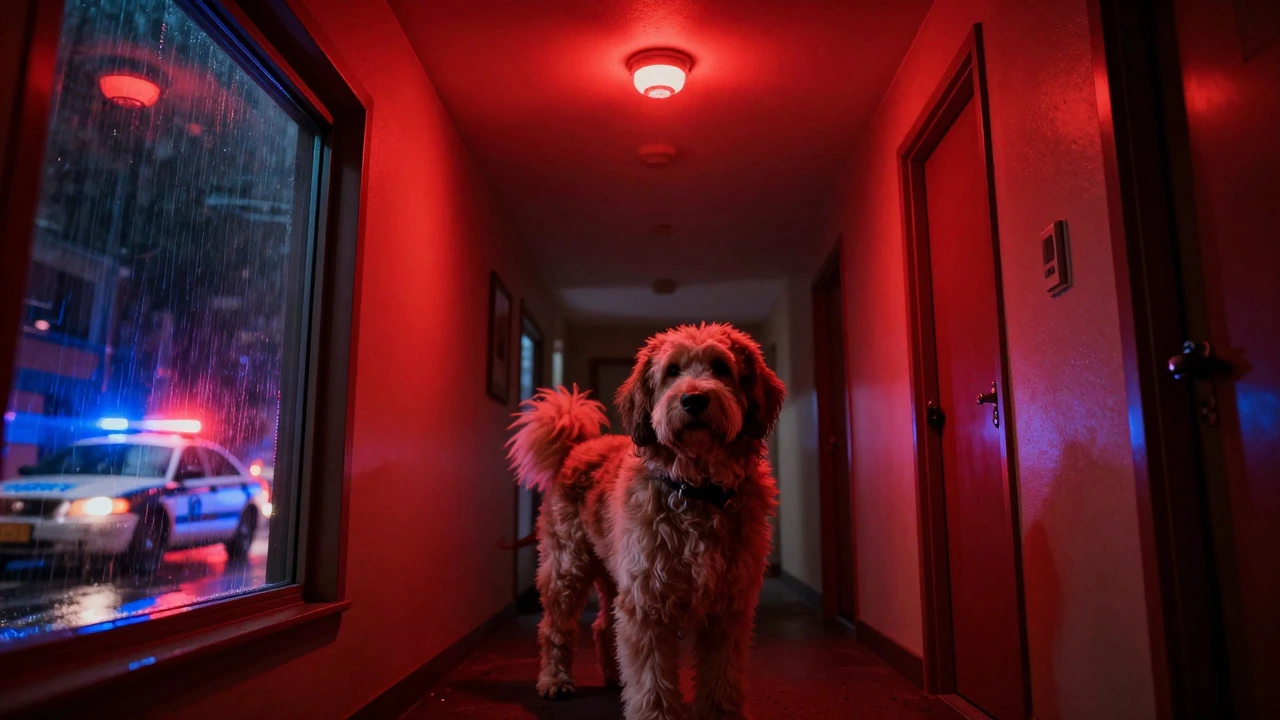
Imagine waking up in the middle of the night to a deafening siren because a spider crawled across a motion detector. Or worse, having the police show up at your door three times in a month because your system couldn’t tell the difference between your dog and a burglar. False alarms are one of the biggest complaints among users.
This isn’t just annoying; it has real consequences. In many jurisdictions, repeated false dispatches lead to fines. More importantly, it breeds "alarm fatigue." After the third time the system screams for no reason, you start ignoring it. Eventually, you might disable sensitive sensors entirely, leaving actual vulnerabilities wide open. Criminals know this. They’ve studied how these systems work and often exploit common placement patterns or simply wait for the homeowner to disable the nuisance triggers.
Privacy Erosion in Your Own Home
To protect your home, you invite constant surveillance. This feels like a fair trade until you realize who else is watching. Modern smart home security cameras stream video to cloud servers owned by third-party companies. Your private moments-arguments with family, guests changing clothes, children playing-are recorded and stored remotely.
Data breaches happen. Hackers target IoT devices because they are often poorly secured. There have been countless cases where strangers accessed live feeds of living rooms and bedrooms. Even without a hack, there’s the issue of data mining. Some providers sell anonymized usage data to advertisers. Do you really want a corporation knowing exactly when you leave for work and when you return?
Cybersecurity Vulnerabilities
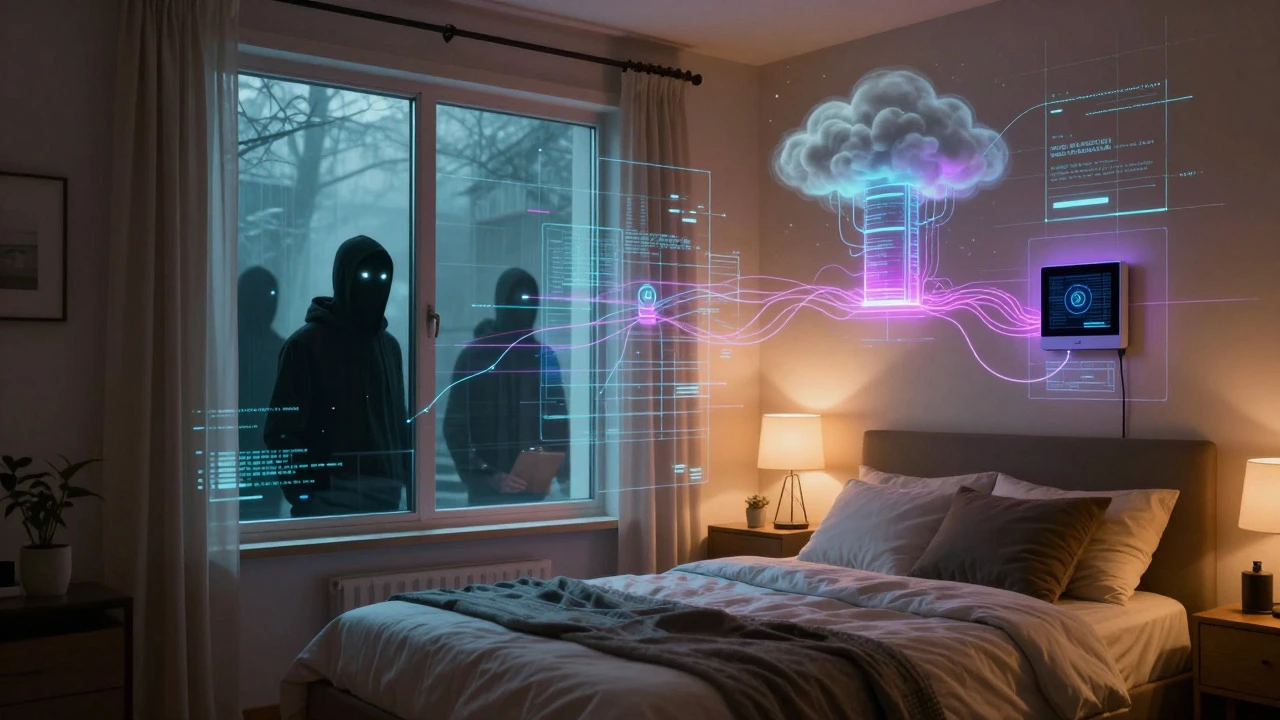
Your home security system is now part of your Wi-Fi network. If your router is secure but your camera isn’t, the whole house is at risk. Cybercriminals don’t just want to watch you; they want to use your devices as entry points to steal personal data or launch attacks on other networks.
| Risk Type | Description | Potential Impact |
|---|---|---|
| Weak Passwords | Default credentials (e.g., admin/admin) left unchanged | Full access to video feeds and device control |
| Unencrypted Data | Video streams sent without encryption | Interception of footage by hackers on the same network |
| Firmware Gaps | Outdated software with known vulnerabilities | Device hijacking or botnet inclusion |
| Cloud Breaches | Hackers targeting provider servers | Mass exposure of user data and footage |
Many non-technical users struggle to configure strong passwords or enable multi-factor authentication. This negligence turns a protective tool into a digital liability.
Reliability Issues: Power and Connectivity Dependence
A wired alarm system seems robust, but what happens during a power outage? Most systems rely on backup batteries that last only a few hours. If a storm knocks out your power and internet simultaneously, your fancy app-controlled locks and cameras go dark. Ironically, this is often when criminals strike.
Wireless systems face similar issues. Signal interference from neighbors’ Wi-Fi, thick walls, or even deliberate jamming by sophisticated burglars can blind your sensors. In some regions, criminals use signal blockers to disable alarms before breaking in. Relying solely on technology without physical backups creates a false sense of security.
DIY vs. Professional: The Support Gap
If you choose a professional installation, you pay for expertise and monitoring. If you choose DIY, you save cash but lose support. DIY systems rarely integrate directly with local police departments. If an alarm goes off, a call center might ask you questions while seconds tick away. In a true emergency, those seconds matter.
Furthermore, DIY setups are prone to user error. Placing a motion sensor near a heating vent causes false triggers. Mounting a camera too low allows easy tampering. Without professional guidance, many homeowners create systems that look good on paper but fail in practice.
Psychological Stress and Anxiety
Paradoxically, security systems can increase anxiety. You spend more time checking apps, reviewing footage, and worrying about whether the system is armed correctly. Instead of relaxing, you become obsessed with monitoring. For some, the knowledge that strangers could potentially bypass the system leads to heightened fear rather than comfort.
Conclusion: Is It Worth It?
Home security systems aren’t inherently bad, but they aren’t magic bullets either. They introduce costs, complexities, and risks that must be weighed carefully. Before signing a contract, ask yourself: Can I afford the monthly fees? Am I comfortable with the privacy trade-offs? Do I have the technical skill to maintain the system? If the answers make you hesitate, perhaps a simpler approach-like sturdy locks, good lighting, and neighborhood watch participation-is a better fit.
Are home security systems worth the monthly cost?
It depends on your needs. If you travel frequently or live in a high-crime area, professional monitoring may justify the cost. However, for many households, the recurring fees outweigh the benefits, especially if false alarms are common. Consider self-monitored DIY systems to reduce expenses.
How do I prevent false alarms?
Regular maintenance is key. Clean sensors, replace batteries promptly, and adjust sensitivity settings. Avoid placing motion detectors near heat sources or windows where sunlight changes. Test your system regularly to ensure proper configuration.
Is my home security camera footage safe from hackers?
No system is 100% immune, but you can reduce risks. Use strong, unique passwords, enable two-factor authentication, keep firmware updated, and consider local storage options instead of cloud-only solutions. Check if the manufacturer uses end-to-end encryption.
What happens to my security system during a power outage?
Most systems have battery backups that last 8-24 hours. Wireless systems may still function, but internet connectivity might be lost if your router also loses power. Ensure your backup batteries are tested and replaced annually.
Can I cancel my home security contract early?
Usually yes, but with penalties. Early termination fees can range from $100 to several hundred dollars, depending on how much time is left on your contract. Read the fine print before signing to understand these costs.