Alarm System Components: What You Need and What to Avoid
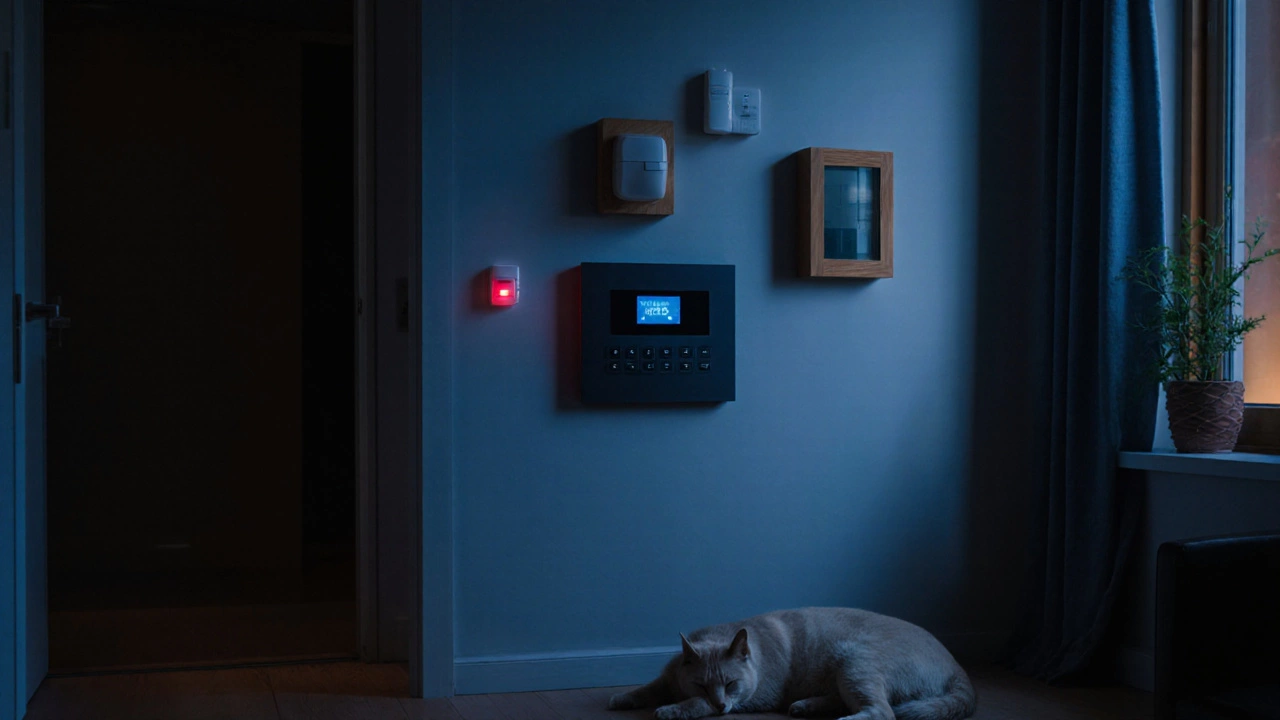
When you think of an alarm system, a network of devices designed to detect intrusions and alert homeowners or monitoring centers. Also known as a security alarm, it’s not just a siren—it’s a chain of parts that must work together to keep you safe. Too many people buy a fancy control panel and assume they’re protected. But if your motion sensor can’t see through a pet’s path, or your door contact is poorly installed, the whole system fails. An alarm system isn’t about the most expensive box—it’s about the right combination of alarm sensors, devices that detect opening, movement, or glass breakage, a reliable alarm control panel, the brain of the system that receives signals and triggers alerts, and proper wiring or wireless communication between them.
Let’s break it down. Door and window contacts are the most basic but critical part. If they’re not aligned right, a breeze can set them off—or a burglar can slip in without triggering anything. Motion sensors need to cover blind spots, not just hallways. Pet-immune models exist, but only if they’re placed correctly. Glass break sensors? They listen for the frequency of shattering, not just loud noise. And don’t forget the power source: battery backups matter when the electricity goes out. Even the best alarm fails if the siren is too quiet or the keypad is buried behind a curtain. The control panel isn’t just for arming—it’s your command center. If it doesn’t communicate with your phone or the monitoring center, you’re just paying for lights and noise.
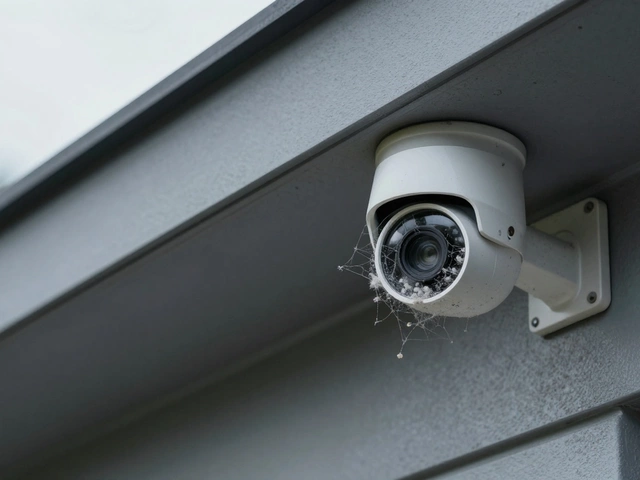
What you don’t see matters more than what you do. A system with no cellular backup is useless during an internet outage. A camera linked to your alarm helps, but only if it records locally—not just in the cloud, where a hacker or power cut can erase evidence. And don’t assume all sensors are the same. A cheap magnetic contact might work for a year, then corrode in damp weather. The best systems use weather-resistant, tamper-proof parts. You don’t need 10 sensors. You need the right 4 or 5, placed where real break-ins happen: ground-floor windows, back doors, first-floor bedrooms.
Some alarm kits sell you extras you’ll never use—like panic buttons if you live alone, or outdoor sirens if you’re in a quiet neighborhood. Others skip the basics: no low-battery alerts, no remote arming, no way to check if the system is armed from your phone. That’s not smart security—that’s wishful thinking. The posts below show real setups: how one family in Birmingham stopped a break-in because their motion sensor caught the thief before the door even opened. How another saved money by skipping Wi-Fi and using wired sensors that never glitch. And how a single faulty component—like a loose wire behind a switch plate—can turn your whole system into a silent ghost.
What you’re about to read isn’t theory. It’s what works in UK homes, with real weather, real thieves, and real mistakes people made—and fixed. No fluff. No upsells. Just the parts that matter, how they connect, and what to watch out for before you install anything.