Low Light Photography Made Easy
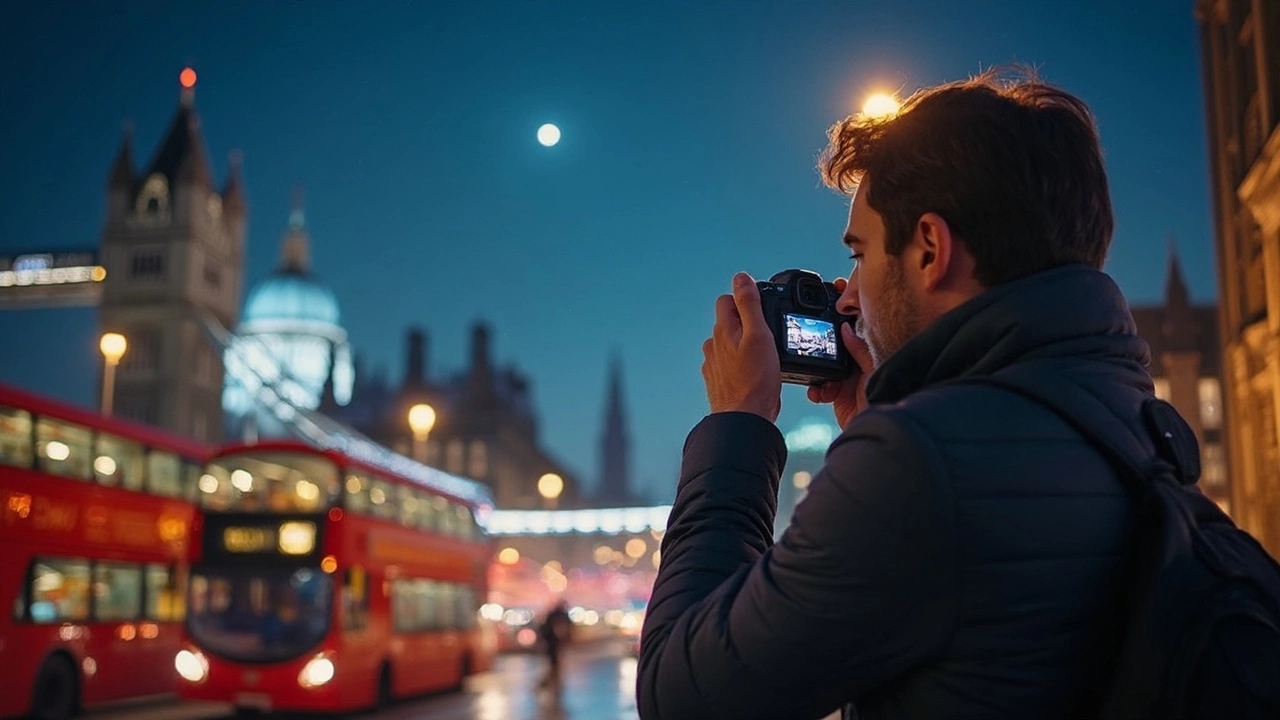
Ever tried snapping a photo at dusk and ended up with a blurry mess? You’re not alone. Shooting in the dark feels tricky, but a few simple tweaks can turn those shaky shots into crisp images.
Use the Right Gear
First off, grab a lens that lets in a lot of light. A prime lens with an f/1.8 or f/2.0 aperture is gold because it captures more light than a kit zoom. If you don’t have a fast lens, raise the ISO on your camera. Modern sensors handle higher ISO well, so don’t be scared to push it to 1600 or 3200.
A sturdy tripod is another game‑changer. Even a cheap travel tripod keeps the camera steady long enough for a clean shot. If you’re on the go and can’t set up a tripod, try bracing the camera against a wall or a sturdy object.
Master Your Settings
Switch to manual mode. Set the aperture as wide as possible, then dial in a shutter speed that matches how steady you can hold the camera—around 1/30 s is a good starting point if you have a tripod. Adjust the ISO until the image looks bright but not too grainy. Remember, a little noise is okay; you can clean it up later.
Focus can be finicky in the dark. Use live view and zoom in on a bright spot to nail focus manually. If your camera has a “focus assist” lamp, turn it on, but be ready to switch it off for the final shot so the lamp doesn’t show up.
Don’t forget about white balance. Auto works most of the time, but if you want a cooler night vibe, set the WB to “fluorescent” or manually tweak it in post.
Lighting doesn’t have to be high‑tech. A streetlamp, a flashlight, or even the glow from a car’s headlights can add depth. Position a small LED or a cheap work light just out of frame to give your subject a subtle rim of light.
When you’re done shooting, bring the files into a simple editor. Turn down noise, boost contrast, and tweak the temperature a bit. Most free editors let you do this without a steep learning curve.
Practice makes perfect. Try a quick test shot, check the result, and adjust one setting at a time. Within a few runs you’ll get the hang of balancing exposure, sharpness, and noise.
Low light photography isn’t about expensive gear—just a bit of patience, the right settings, and a stable base. Grab your camera, head out after sunset, and see how easy it is to capture clear, atmospheric shots.