Prohibited Security Camera Placement Areas - What You Must Avoid
Learn the exact locations where installing security cameras can lead to legal trouble, privacy breaches, and technical failures, plus a checklist to stay compliant.
When you install a privacy laws, legal rules that control how personal data is collected, stored, and shared. Also known as data protection regulations, they determine whether your security camera can legally record your neighbor’s driveway or if police can demand footage from your Ring doorbell. In the UK, these rules aren’t optional—they’re enforced by the Information Commissioner’s Office (ICO), and ignoring them can cost you fines or legal trouble, even if you’re just trying to keep your home safe.
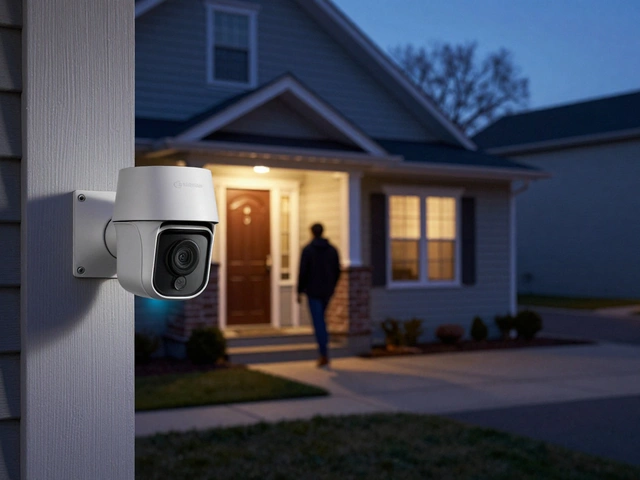
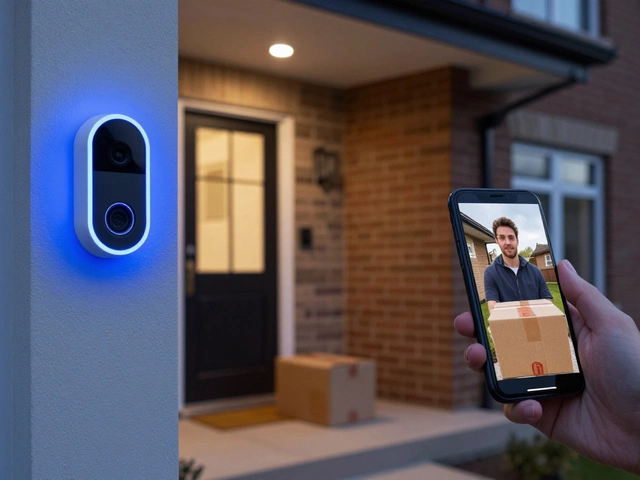
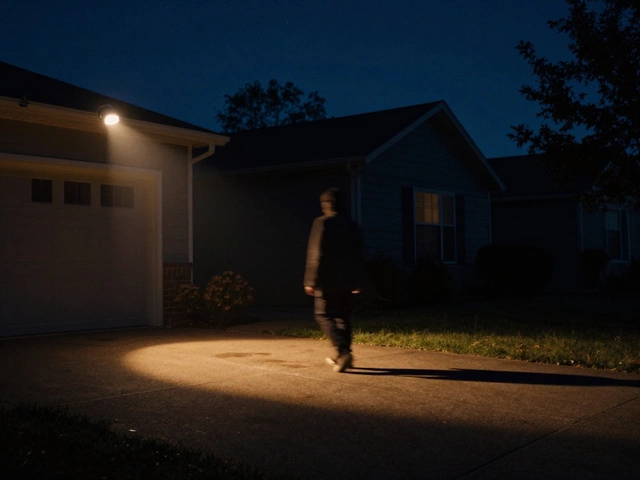
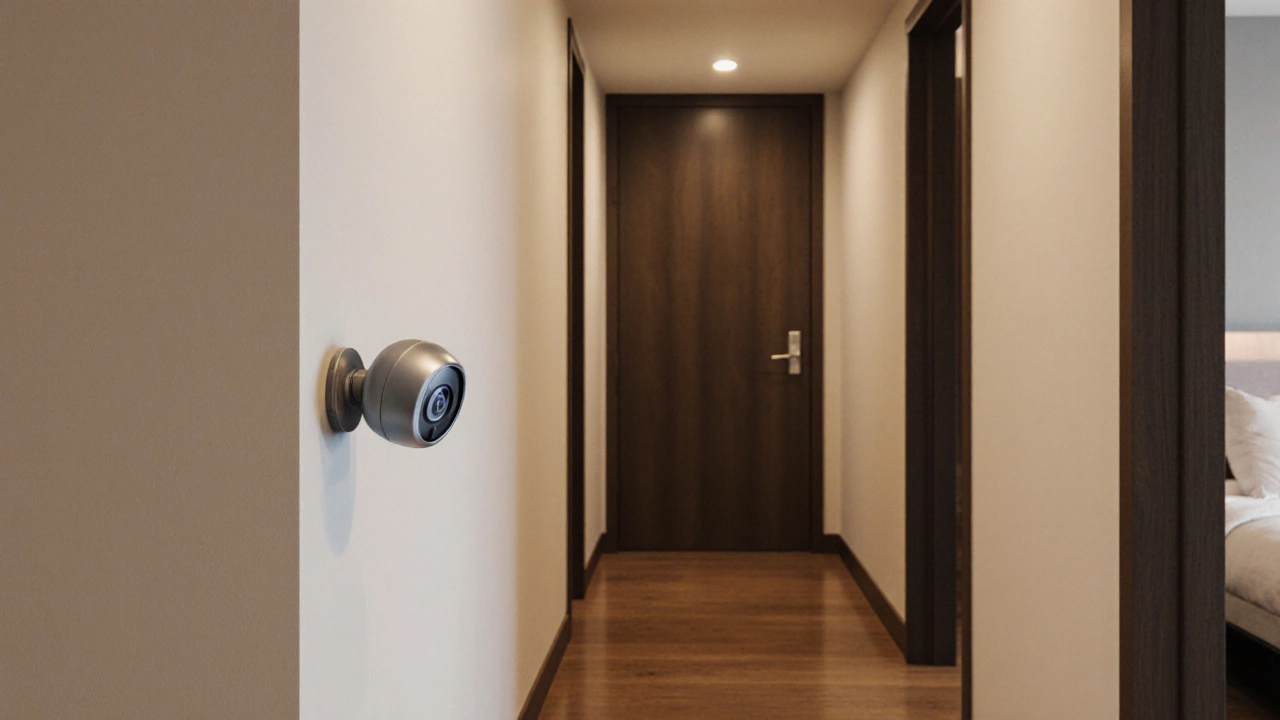
Most home security systems today—like CCTV cameras, video surveillance devices used to monitor property, Ring doorbells, smart doorbells with built-in cameras that connect to your phone, or wireless alarms—collect video and sometimes audio. That means they touch on personal data. If your camera captures public spaces, other people’s homes, or even your own family members moving around indoors, you’re handling personal information. Under the UK GDPR and Data Protection Act 2018, you must be transparent about what you’re recording, why, and how long you keep it. You can’t just point a camera at the street and assume it’s fine. The law says you need a legitimate reason, and you must minimize intrusion. For example, adjusting your camera’s angle so it doesn’t pick up your neighbor’s front door isn’t just polite—it’s required.
And it’s not just about what you do—it’s about what others can ask for. UK data protection, the legal framework governing how personal information is handled in the United Kingdom gives people the right to request footage that includes them. If someone asks you for a clip of their car passing your driveway, you may have to provide it. Police can also request access, but they need a legal basis—like a warrant or an active investigation. You’re not required to hand over footage just because they ask. Knowing your rights here isn’t about being suspicious; it’s about staying in control. Many people don’t realize that even if they’re not using cloud storage, local recording still falls under these rules. And if you’re using a service like Ring, owned by Amazon, you’re also subject to their privacy policies—which can change without notice.
There’s a big difference between security and surveillance. A good system protects your property without violating others’ space. That means choosing cameras with motion zones, turning off audio when it’s not needed, and avoiding night vision modes that can see through windows. You don’t need to spy on your neighbors to keep your home safe. In fact, the most effective setups are the ones that make intruders think twice—without creating tension with the people around you.
Below, you’ll find real guides on how to set up your cameras legally, what police can and can’t take from you, how much data your devices collect, and why some systems are safer for your privacy than others. These aren’t theoretical rules—they’re practical steps you can take today to stay protected without breaking the law.
Learn the exact locations where installing security cameras can lead to legal trouble, privacy breaches, and technical failures, plus a checklist to stay compliant.