What Are the Three Types of Doorbells? Wired, Wireless, and Smart Explained
Learn the three main types of doorbells-wired, wireless, and smart-and which one fits your home, budget, and security needs in 2025. No fluff, just clear comparisons.
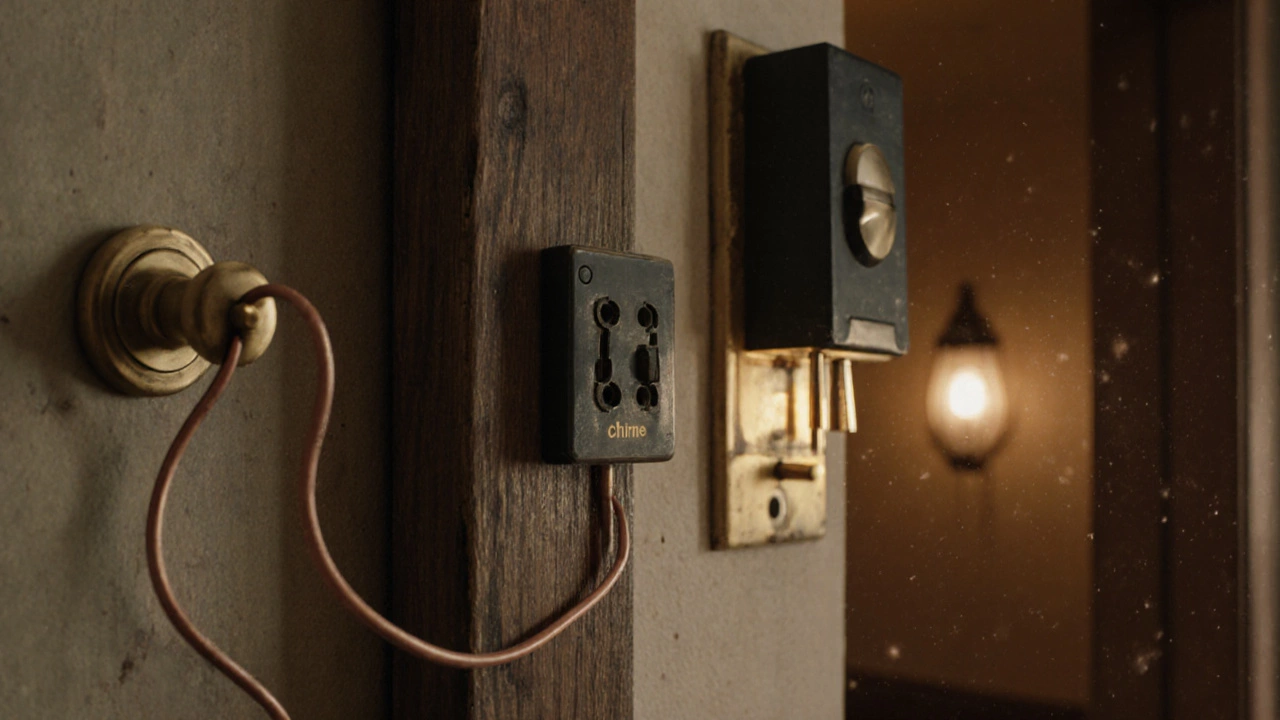
When you think of a wired doorbell, a doorbell system that connects directly to your home’s low-voltage electrical circuit, often using two wires running from the button to the chime unit. Also known as traditional doorbell, it doesn’t need batteries, Wi-Fi, or cloud subscriptions—just a steady connection to your home’s transformer. Unlike smart doorbells that depend on internet access, wired doorbells keep working during power outages, internet failures, or signal drops. They’re simple, dependable, and built to last.
Most wired doorbells run on 8–24 volts, powered by a transformer usually located near your fuse box or in the attic. The button outside your door completes the circuit when pressed, sending a small current to the chime inside. This isn’t just about convenience—it’s about doorbell wiring, the physical path that carries low-voltage electricity from the transformer to the button and chime. Also known as doorbell circuit, it’s governed by UK electrical standards like BS 7671—the same rules that apply to lighting and other low-power systems. If you’re replacing or installing one, you need to know whether a junction box, a protective enclosure where electrical wires connect, often required when splicing or extending doorbell wires. Also known as electrical box, it’s not always mandatory, but it’s the safest way to handle connections and avoid exposed wires that could short out or become a fire risk. Many DIYers skip it, but inspectors and electricians won’t. And if you’re adding a video doorbell that’s wired, you’ll need enough power to run both the chime and the camera—something battery-powered models can’t do.
Wired doorbells aren’t flashy, but they’re the backbone of real home security. They work with alarm systems, integrate with smart hubs, and don’t get hacked because they don’t connect to the internet. They’re the reason your doorbell still rings when your Wi-Fi goes down. Whether you’re upgrading an old home, installing a new system, or just tired of replacing batteries, a properly wired doorbell gives you control, reliability, and peace of mind.
Below, you’ll find real guides on how to install one safely, when a junction box is required, how to test your wiring, and what to avoid when upgrading to a smart doorbell without breaking the system. These aren’t theory pieces—they’re step-by-step fixes and checks from people who’ve done it, got the wires tangled, and figured it out.
Learn the three main types of doorbells-wired, wireless, and smart-and which one fits your home, budget, and security needs in 2025. No fluff, just clear comparisons.