Security Camera Professional Finder
Answer a few quick questions about your project to find out which professional title you should be looking for.
Project Details
Select Options
Fill in the details on the left to see your recommended professional role.
Role Name
Complexity LevelDescription goes here.
Why This Role?
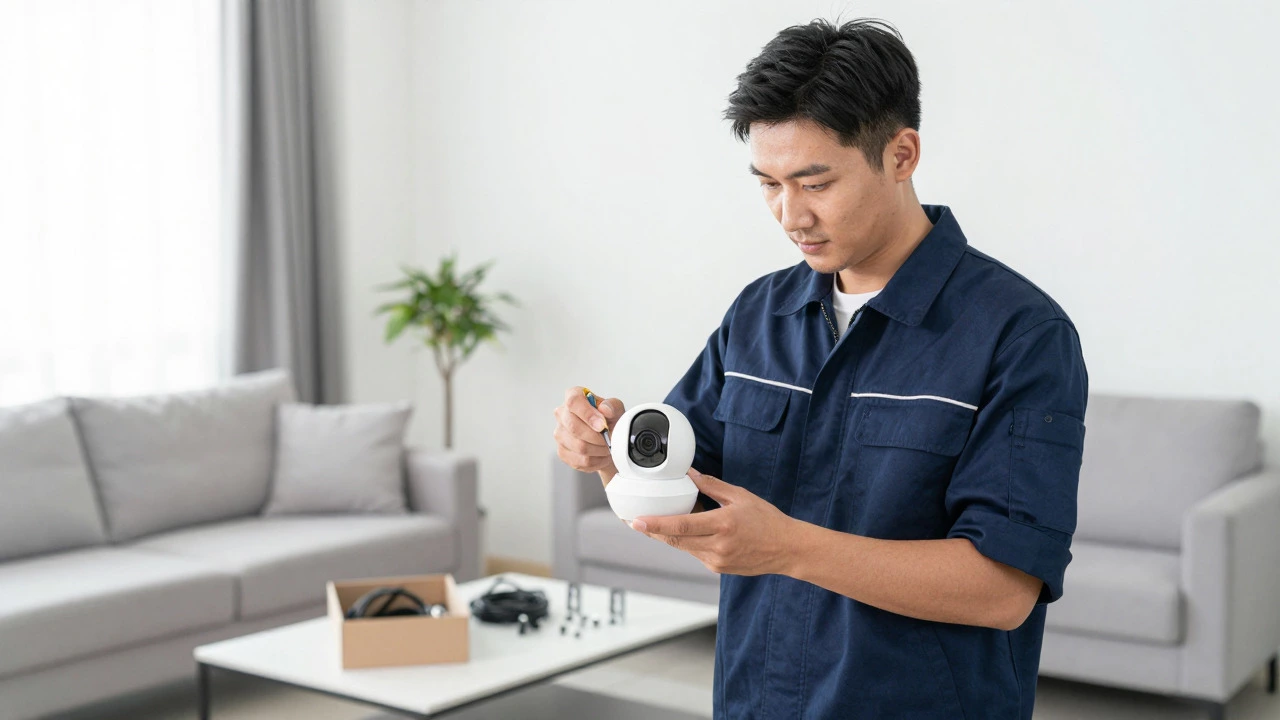
Ever stood in your living room, looking at a box full of cameras and cables, wondering exactly who you need to call? The answer isn't just "a guy with a drill." While security camera installer is the most common term, the industry uses several specific titles depending on the complexity of the job. Knowing the difference helps you hire the right person for your home or business security system that captures footage and integrates with power and network infrastructure.
You might see terms like CCTV engineer, low-voltage technician, or even smart home integrator. These aren't just fancy words; they indicate different skill sets, licenses, and levels of expertise. A simple doorbell camera install looks very different from a multi-camera IP network setup for a warehouse. Let's break down who does what, so you can make an informed decision.
The Core Titles: Who Actually Does the Work?
When people ask, "what do you call a person that installs security cameras?", the direct answer is usually security camera installer or CCTV installer. In the UK, you will frequently hear the title CCTV engineer, which often implies a role that covers both installation and ongoing maintenance. In the US and other markets, security systems technician is a standard job description found on hiring platforms like Indeed.
However, the scope of work matters. A basic installer mounts hardware and runs wires. A more advanced professional handles configuration, network settings, and integration with other devices. Here is how the main roles differ:
- Security Camera Installer: Focuses specifically on mounting cameras, running low-voltage cables, and connecting them to a recorder or cloud service. This is the go-to term for residential jobs.
- CCTV Engineer: Often used in commercial or larger residential contexts. This role includes designing the layout, programming the video management software, and troubleshooting complex issues.
- Low-Voltage Technician: A broader electrical trade. These professionals handle wiring for alarms, intercoms, and cameras. They are excellent for hardwired systems but may not specialize in video analytics or network configuration.
- Smart Home Integrator: If your cameras are part of a larger ecosystem (like lighting, locks, and voice assistants), this is the pro you want. They ensure all devices talk to each other seamlessly.
What Do They Actually Do Day-to-Day?
It’s easy to underestimate the technical side of camera installation. It’s not just drilling holes. A qualified surveillance system specialist performs a series of precise tasks to ensure your footage is clear and reliable.
- Site Assessment: Before touching a tool, the installer walks through your property. They identify blind spots, check lighting conditions, and determine the best camera angles. This step prevents costly mistakes like aiming a camera at a blank wall.
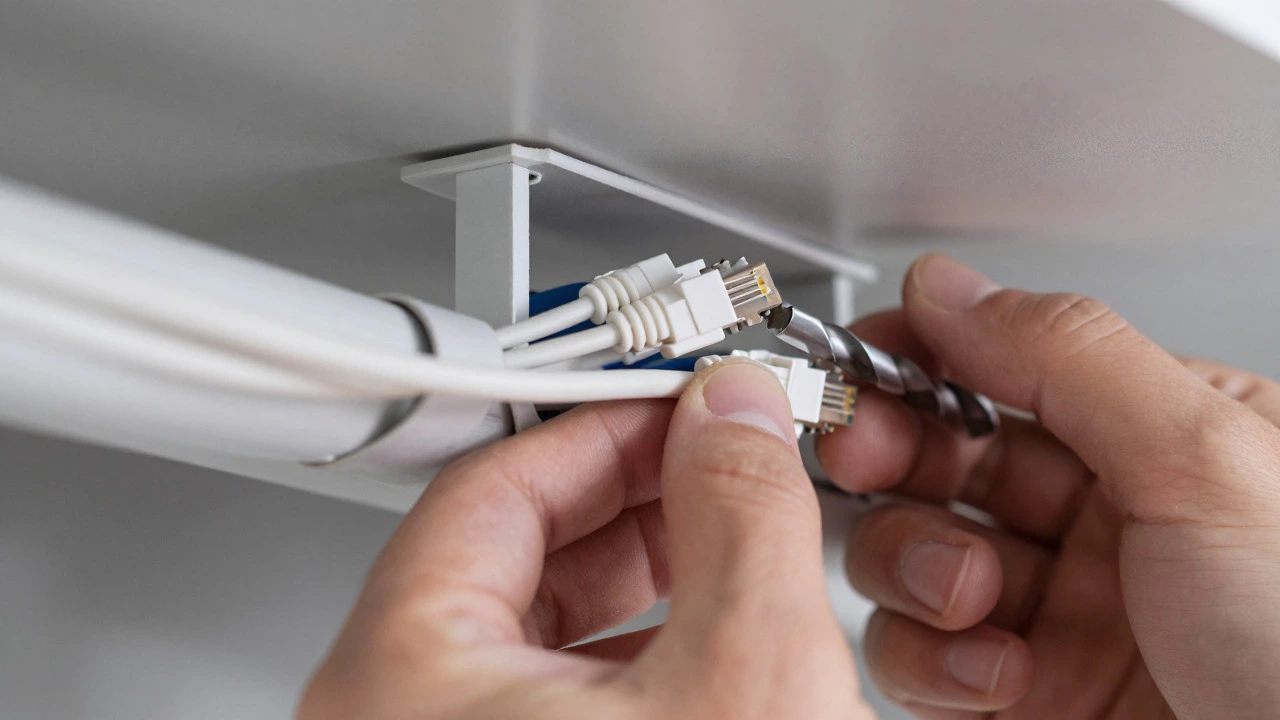
- Wiring and Mounting: They run low-voltage cables (often Cat6 for IP cameras) through walls or along ceilings. Proper cable management is crucial for aesthetics and signal integrity.
- Network Configuration: For IP cameras, the installer assigns IP addresses, configures bandwidth, and ensures the cameras connect securely to your router. Poor network setup leads to laggy footage or dropped connections.
- System Testing: Once installed, they test every angle, check night vision performance, and verify that recording is working. They also set up remote access so you can view your cameras from your phone.
If you skip the site assessment or network configuration, you risk ending up with unusable footage. This is why hiring a dedicated security professional is better than relying on a general handyman.
Specialized Roles for Complex Systems
Not all security jobs are the same. If you have a large office building or a high-security facility, you might need someone with a more specialized title.
| Role Title | Primary Focus | Best For | Key Skills |
|---|---|---|---|
| Security Camera Installer | Mounting and basic wiring | Residential homes, small shops | Drilling, cabling, basic app setup |
| CCTV Engineer | Design, programming, maintenance | Medium businesses, complex homes | Video management software, troubleshooting |
| IP Camera Specialist | Networked video systems | Offices, retail chains | Network architecture, cybersecurity, VLANs |
| System Integrator | Multi-technology integration | Smart buildings, enterprise sites | Access control, alarms, automation protocols |
| Low-Voltage Technician | Electrical wiring for security | New constructions, rewiring projects | Code compliance, conduit work, power supply |
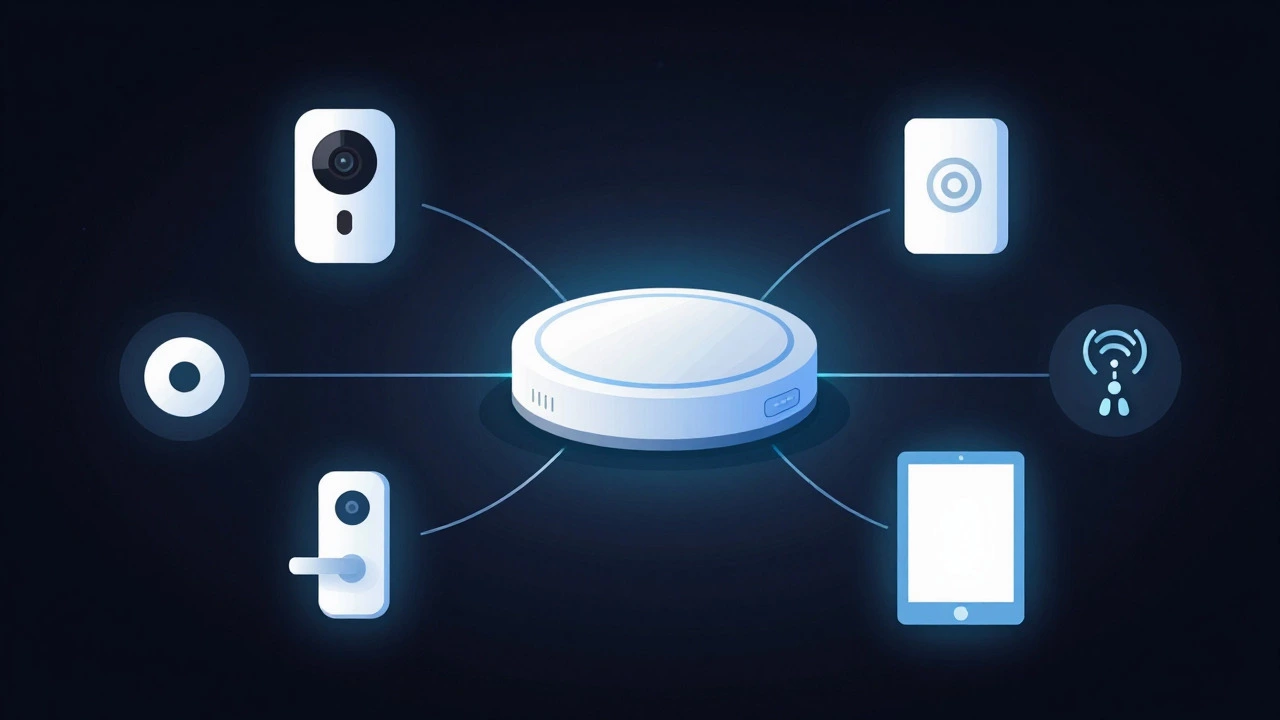
An IP camera specialist understands the nuances of network traffic. They know how to prevent cameras from slowing down your internet speed by setting up separate Virtual Local Area Networks (VLANs). A system integrator goes further, combining cameras with access control readers, alarm panels, and smart locks into one unified interface. If you are installing a single camera at your front door, you don’t need a system integrator. But if you are securing a five-story office block, you definitely do.
Licenses, Certifications, and Why They Matter
In many regions, including parts of the US and Australia, security installers need specific licenses. In New South Wales, for example, workers must be police-checked and licensed to work in the security industry. In the UK, while there isn't a single mandatory national license for all CCTV work, adherence to BS EN 50132 standards is expected for professional installations.
Why should you care about licenses? Because they ensure safety and accountability. A licensed installer carries insurance, follows local building codes, and has undergone background checks. When you hire an unlicensed handyman, you take on the risk of poor workmanship, potential fire hazards from bad wiring, and lack of recourse if the system fails.
Look for manufacturers certifications as well. Brands like Hikvision, Axis, and Motorola Solutions train and certify technicians. An installer with these credentials has proven knowledge of the specific equipment they are installing. This reduces the learning curve for them and increases the reliability of your system.
How to Choose the Right Professional
So, how do you find the right person? Start by defining your needs. Are you replacing an old analog system with new IP cameras? Or are you starting from scratch? Your answer dictates the title you should search for.
Here is a quick checklist for vetting potential installers:
- Check Reviews: Look for mentions of clean installation, punctuality, and helpful tutorials. Red flags include complaints about aggressive upselling or post-installation bugs.
- Verify Credentials: Ask for proof of licensing and insurance. If they are a subcontractor, confirm who holds the primary contract.
- Request a Site Survey: A professional installer will never quote a final price without seeing the location. If they give you a fixed quote over the phone without a visit, be cautious.
- Ask About Network Setup: For IP cameras, ask how they plan to handle bandwidth and security. A good installer will explain their approach to preventing cyber threats.
Don't be afraid to ask questions. A reputable security consultant or installer will welcome your curiosity. They want to build trust because they hope you will recommend them to neighbors or colleagues.
DIY vs. Professional: When to Hire
Can you install cameras yourself? Yes, if you are comfortable with basic drilling and following online guides. Many modern Wi-Fi cameras are designed for DIY installation. However, for wired systems, multiple cameras, or commercial-grade setups, professional installation is worth the investment.
A professional installer brings experience that saves you time and money in the long run. They know which cables to use, how to weatherproof outdoor connections, and how to position cameras for maximum coverage. They also provide a warranty on their labor, meaning if a camera falls off the bracket six months later, they come back to fix it. With DIY, you are on your own.
Remember, the goal is not just to have cameras, but to have a reliable security system that works when you need it most. Whether you call them a CCTV engineer, a security technician, or a surveillance specialist, the right professional ensures your peace of mind.
Is a CCTV installer the same as a security camera installer?
Yes, in most contexts, these terms are interchangeable. "CCTV installer" is often used in the UK and for closed-circuit television systems, while "security camera installer" is more common in the US and for both wired and wireless systems. Both refer to professionals who mount, wire, and configure video surveillance equipment.
Do I need a licensed electrician to install security cameras?
Usually, no. Most security cameras operate on low voltage (12V or PoE - Power over Ethernet), which does not require a full electrical license. However, if you need to tap into your main breaker panel or run high-voltage power lines, a licensed electrician may be needed for those specific parts of the job. A low-voltage technician is typically sufficient for the camera wiring itself.
What is the difference between a CCTV engineer and a CCTV installer?
The terms are often used interchangeably, but "engineer" may imply a higher level of technical responsibility, such as system design, programming, and troubleshooting complex network issues. An "installer" focuses primarily on the physical placement and connection of the hardware. In practice, many professionals hold both titles and perform both roles.
Who installs IP cameras specifically?
IP cameras are often installed by IP camera specialists or network technicians. Because IP cameras rely on data networks rather than traditional coaxial cables, the installer needs knowledge of networking concepts like IP addressing, subnetting, and VLANs. A general security installer may also handle this if they have training in networked surveillance.
How much does it cost to hire a security camera installer?
Costs vary widely based on the number of cameras, the type of system (wired vs. wireless), and the complexity of the wiring. Labor alone can range from $50 to $150 per hour in the US, or £20 to £40 per hour in the UK. Always request an itemized quote that separates equipment costs from labor charges to avoid surprises.